

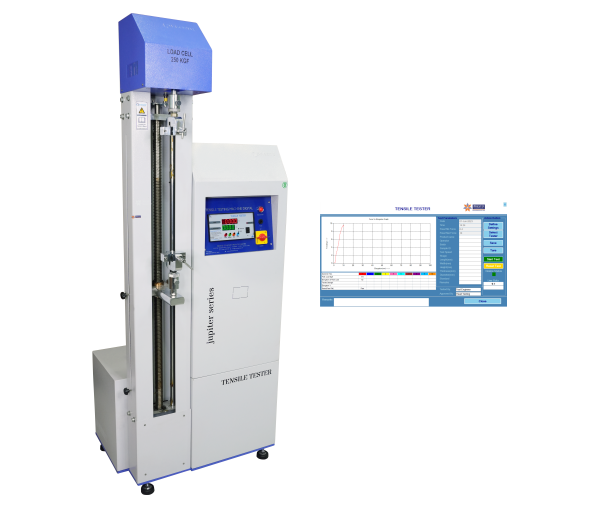
A Tensile Strength Tester is an essential device used in materials testing to determine the tensile strength of various materials, including metals, polymers, textiles, and other substances. This testing machine is crucial for evaluating how materials behave when subjected to forces that attempt to stretch or pull them apart. Understanding tensile strength is key to ensuring the reliability and durability of products across industries such as manufacturing, automotive, aerospace, and textiles. In this blog, we will explore the concept of tensile strength, the importance of tensile testing, the different types of tensile testers, and the factors influencing the tensile tester price
What is Tensile Strength?
Tensile strength refers to the maximum amount of tensile (pulling or stretching) stress that a material can withstand before failing or breaking. It is a critical property that determines the material’s performance in various applications, especially in construction, engineering, and manufacturing. The ability of a material to resist deformation and breakage under tensile forces is vital for ensuring that products maintain their integrity during use.
Materials with high tensile strength can endure greater forces without tearing or stretching beyond their limits. For example, materials used in the construction of bridges, buildings, or automotive components must have high tensile strength to withstand external forces such as wind, weight, and other stresses.
The Role of a Tensile Strength Tester
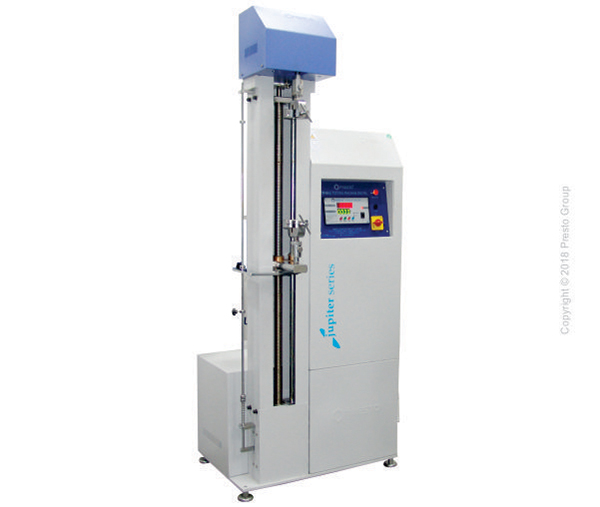
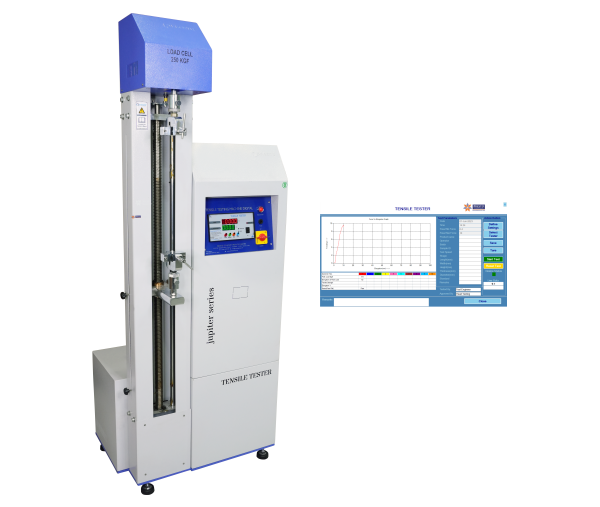
A Tensile Strength Tester is a device designed to measure the tensile strength and elongation properties of a material. It applies a uniaxial force to a specimen until it breaks, recording the force and elongation at different points. The tester provides valuable data such as the maximum tensile force, elongation at break, and the modulus of elasticity (a measure of the material’s stiffness).
These machines can test a wide range of materials, from rubber to metals to textiles, providing manufacturers with precise data on the material’s strength, elasticity, and durability. Tensile testing is crucial for quality control, product development, and material certification.
Types of Tensile Testers
Tensile testers come in various configurations, and each type is suitable for testing different materials. Below are the main types of tensile testers:
Universal Testing Machines (UTM): Universal Testing Machines are versatile devices capable of performing tensile, compression, and other tests on materials. A UTM machine is equipped with different fixtures and accessories, making it suitable for testing metals, polymers, textiles, and other materials. It is commonly used for both research and quality control purposes
Tensile Compression Tester: A Tensile Compression Tester is designed to test materials under both tensile and compressive forces. It is equipped with specialized grips and fixtures to hold specimens during the test. This type of tester is commonly used for testing materials like metals and plastics that may experience both tension and compression during their lifecycle.
Digital Tensile Testers: Digital Tensile Testers offer automated data acquisition and analysis. They are equipped with sensors and computer software to provide precise and real-time readings of force, elongation, and other parameters. These testers are ideal for high-throughput testing and applications that require a high degree of accuracy.
Manual Tensile Testers: Manual testers are more basic devices that require the operator to manually stretch the material until it breaks. While these machines are less sophisticated, they are still useful for testing smaller batches or in low-budget settings.
Conclusion
Tensile strength testing plays a vital role in ensuring that materials perform as expected in real-world conditions. Whether in textiles, construction, aerospace, or automotive industries, understanding a material's tensile strength is crucial for product safety, durability, and longevity. Tensile strength testers, including digital testers, universal testing machines, and tensile compression testers, provide precise measurements of material strength and help manufacturers produce high-quality products. When selecting a tensile tester, factors such as the type of machine, load capacity, and precision should be carefully considered to ensure that the equipment meets the needs of the application.