Diabetic eye disease is a serious and potentially sight-threatening complication of diabetes that affects individuals across the globe. In London, a city known for its advanced medical care, addressing this condition has become increasingly vital as diabetes rates continue to rise. People living with diabetes are particularly at risk of developing eye-related complications, making it essential to understand the causes, symptoms, and treatment options available.
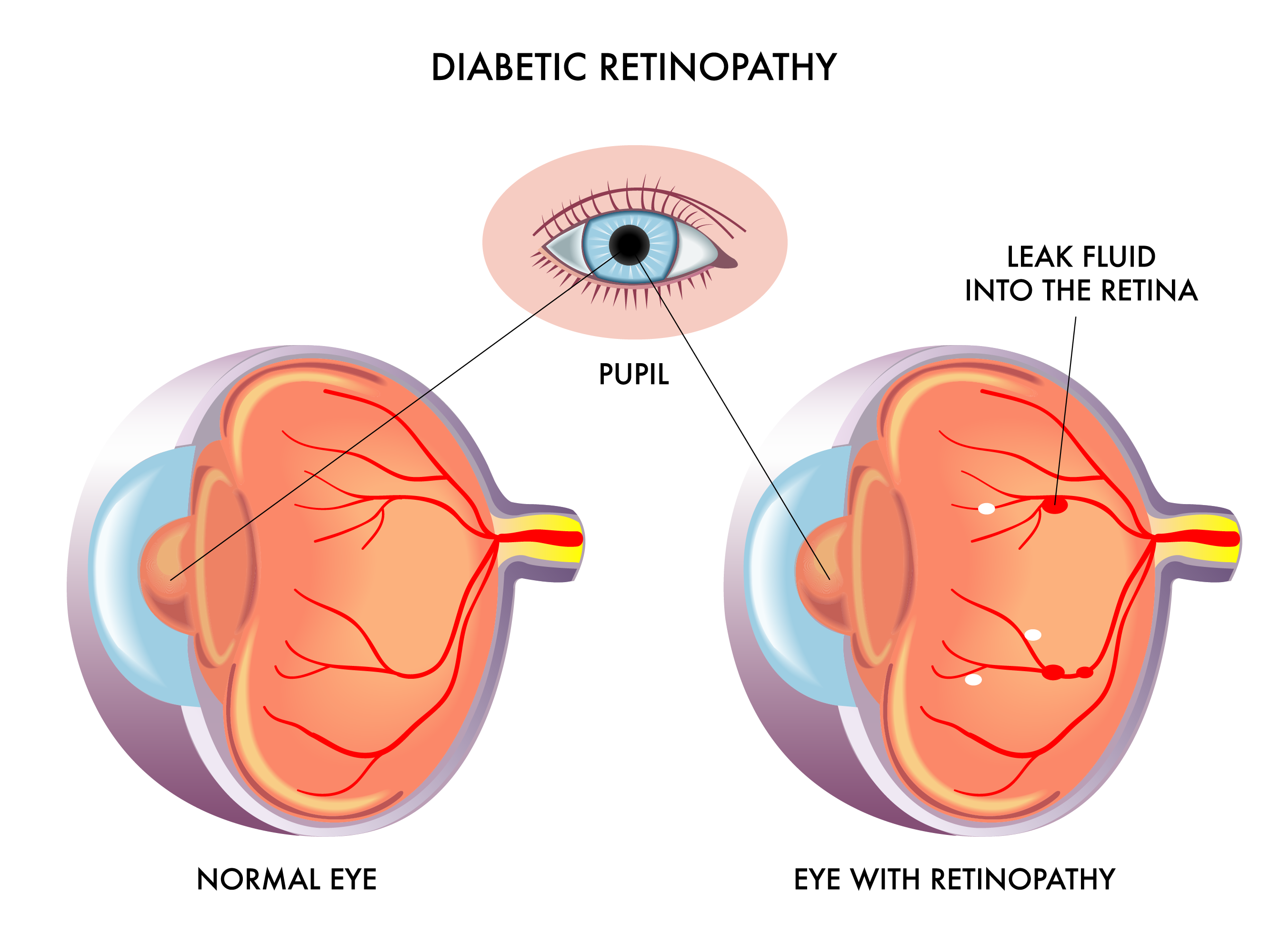
The primary cause of diabetic eye disease lies in prolonged high blood sugar levels, which can damage the delicate blood vessels in the retina. Over time, this damage may lead to conditions such as diabetic retinopathy, diabetic macular oedema, and an increased risk of cataracts or glaucoma. These conditions can progress silently, making regular eye examinations a crucial preventative measure for those living with diabetes.
Diabetic retinopathy is one of the most common forms of diabetic eye disease. It occurs when the blood vessels in the retina become weakened, causing them to leak or become blocked. In some cases, new and abnormal blood vessels may form, further threatening vision. This progression can occur in two stages: non-proliferative and proliferative retinopathy, with the latter posing a higher risk of severe vision loss.
One of the early symptoms of diabetic eye disease is blurred vision, often caused by fluctuating blood sugar levels or swelling in the retina. Other signs may include dark spots or floaters in the field of vision, difficulty seeing at night, or a sudden loss of vision in severe cases. However, it’s important to note that symptoms may not appear in the early stages, emphasising the importance of regular check-ups.
In London, individuals have access to some of the most advanced diagnostic tools for detecting diabetic eye disease. Comprehensive eye examinations typically include dilated retinal exams, optical coherence tomography (OCT) scans, and fluorescein angiography. These tests enable specialists to detect even the smallest changes in the retina, providing a detailed picture of the eye’s health and the severity of any condition.
Preventing diabetic eye disease starts with effective diabetes management. Maintaining stable blood sugar levels, managing blood pressure, and adopting a healthy lifestyle can significantly reduce the risk of developing complications. Regular eye examinations are equally important, as they can identify early signs of damage before symptoms manifest, allowing for timely intervention.
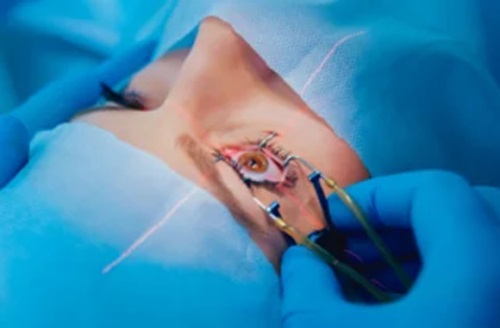
When it comes to treatment, options vary depending on the severity of the condition. In the early stages of diabetic retinopathy, improving blood sugar control and monitoring eye health may be sufficient. However, advanced cases may require more invasive treatments, such as laser therapy, intravitreal injections, or surgery to address retinal detachment or other severe complications.
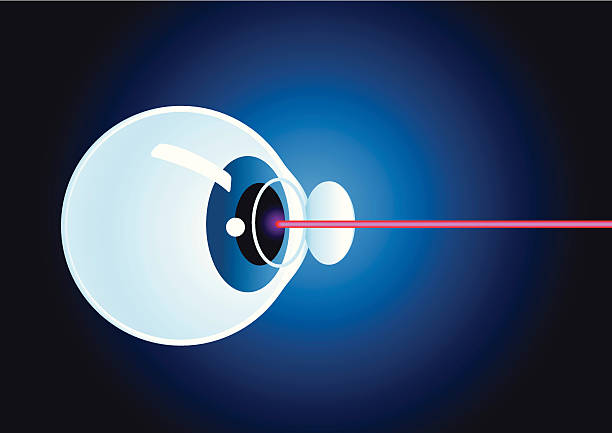
Laser therapy, or photocoagulation, is a common treatment for diabetic retinopathy. This procedure uses focused laser beams to seal leaking blood vessels or shrink abnormal ones, helping to preserve vision. Intravitreal injections, on the other hand, involve injecting medications directly into the eye to reduce swelling and inhibit the growth of abnormal blood vessels. These treatments have revolutionised the management of diabetic macular oedema and proliferative retinopathy.
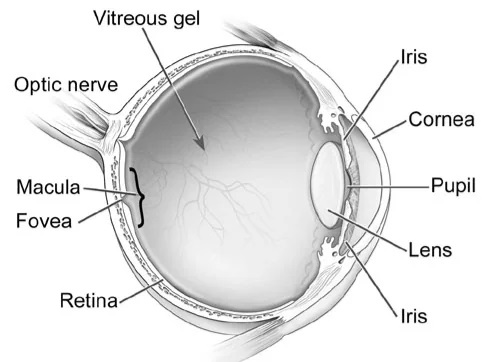
In severe cases where the retina becomes detached or scar tissue forms, vitrectomy surgery may be required. This delicate procedure involves removing the vitreous gel from the eye and replacing it with a clear solution, allowing the surgeon to repair the retina. Advances in surgical techniques and technology have made this treatment highly effective, offering hope to those with advanced diabetic eye disease.
Living in London provides access to a wealth of resources for those managing diabetic eye disease. With numerous clinics, hospitals, and specialist centres, patients can benefit from the expertise of leading ophthalmologists and cutting-edge treatment options. The city’s healthcare system also places a strong emphasis on patient education, empowering individuals to take control of their eye health.
It is essential for individuals with diabetes to recognise the connection between their overall health and eye health. By managing their condition proactively and seeking regular eye care, they can significantly reduce the risk of vision loss. For many, this means partnering with a trusted eye care professional who understands the complexities of diabetic eye disease.
The emotional toll of diabetic eye disease should not be overlooked. The fear of losing one’s vision can be overwhelming, and the condition often affects individuals during their most productive years. In London, support groups and counselling services are available to help patients cope with the psychological impact of living with a chronic eye condition.
Research into diabetic eye disease continues to advance, with scientists exploring innovative treatments and preventive measures. From stem cell therapies to gene editing techniques, the future holds promise for more effective solutions to combat vision loss caused by diabetes. London remains at the forefront of these developments, with clinical trials and research centres dedicated to improving outcomes for patients.
Raising awareness about diabetic eye disease is crucial in reducing its prevalence. By understanding the risks, symptoms, and treatment options, individuals with diabetes can make informed decisions about their eye health. Community outreach programmes and public health campaigns in London play a vital role in educating the public and encouraging regular eye screenings.
Diabetic eye disease is a complex and multifaceted condition, but with early detection and appropriate treatment, vision loss can often be prevented or minimised. By taking proactive steps to manage their diabetes and seeking regular eye care, individuals can protect their sight and enjoy a better quality of life. London’s robust healthcare system provides an excellent foundation for achieving these goals, offering hope and support to those affected.
About Us:
Mahi Muqit is a leading consultant ophthalmologist, cataract and vitreoretinal surgeon at two private clinics in London, United Kingdom. He provides patients with superior service and support with a range of surgical procedures to meet their eye sight requirements. He has built up a solid reputation for his eye services in the London area as an expert eye doctor and surgeon offering surgical retina, medical retina and complex cataract surgery. He also offers surgery to patients suffering from diabetic retinopathy. Mahi Muqit is a member of the Royal College of Ophthalmologists, a member of the British and Eire Association of Vitreoretinal Surgeons and the UK and Ireland Society of Cataract and Refractive Surgeons. To find out more, visit http://www.retinasurgeon.uk.com/.