





Success in a job interview always depends on how you prepare for it. Interview preparation mainly concerns some work related to the job and the company and how you can answer the interview questions.
Job interviews are always stressful, but below are some tips and tricks that will prepare you for them so that you give your best shot and the employer notices you. These tips may be useful for those who have lots of experience as well as for those who have no experience in working and entering the world of business, employment, or management.
Check your suitability for the position
Evaluate your experience and credentials. Consider why you must apply for that position and why the employer needs to hire you. You can prove to the interviewer that you are the ideal candidate for the job by evaluating how the role fits into your career path and what value you can bring to the organization.
Practice Your Body Language
One-way nonverbal communication affects how you are perceived is through the dress code. Other aspects of assuming a posture of confidence include how one sits, which is key to projecting confidence. Making eye contact shows that you are paying attention and care; a natural smile makes a positive, favorable first impression. Do not drum your fingers on the table, as it gives a perception of nervousness and discomfort.
Update your social media accounts
Make sure your profile is current whether you use Facebook, Twitter, LinkedIn, or any other social networking site. Employers frequently look through your social media accounts to learn more about your background and personality. See what comes up when you search for your name on Google. If the interviewer inquiries about anything unpleasant, be ready to respond.
Plan the Logistics
Reducing pre-interview stress is possible through the elimination of some logistical barriers. Make sure to reconfirm the interview schedule of the day and the place for the interview. To be ready for virtual interviews, check your internet connection, and the compatibility of your computer camera and sound. Being on time must be the goal, but this way of thinking often neglects the fact that sometimes you are late, and planning 10–15 min before the interview starts is always beneficial.
Prepare your documents
Even though you submitted your application with a digital copy of your resume, it’s always beneficial to have hard copies of your documents in case the interviewer wants them for convenience. Take a printout of your cover letter and CV. Place all your significant documents in a folder, including your grade reports, certificates, identification documents, and photos. Be sure to have any specific documents on hand, such as pay slips, a letter of release from a prior employer, or a bank statement, that the HR department has requested you bring.
Be polite
It says a lot about how you conduct yourself in the workplace. CCTV footage is used by several businesses to analyze your personality. Wait for your turn while sitting calmly and with proper posture. The receptionist, security guard, and other candidates should all be treated with courtesy.
Ask the interviewer appropriate questions
The majority of interviewers would allow you to ask questions and get your doubts answered. During the interview, take mental notes so you can ask the interviewer relevant questions. You can ask questions about the job, the firm, or anything else at the end of the interview.
Evaluate your performance
After you return from the interview, spend some time reflecting on your performance and identifying areas for improvement. Consider whether you could have answered any given question more effectively or if there is anything you left out to address. This greatly enhances your interviewing abilities.
Follow-Up After the Interview
A well-thought-out follow-up is something that is remembered for a long time. Finally, send an e-mail to the interviewer thanking him/her for the interview and indicating again the interest in the position. Refer to topics that were discussed in the interview to assure the employer that you were keen and interested in what you were doing. Make sure you are in great follow-up time by sending the email within 24 hours as it will show professionalism and seriousness.
Conclusion
By conducting research, practicing, and being detail-oriented, an applicant can ensure they are ready for a successful job interview. Each step, starting from the evaluation of the company’s organizational culture and ending at the rehearsals of the answers, plays a decisive role.
Many organizations are discovering the usefulness of Recruitment Process Outsourcing (RPO) services in enhancing their recruitment system. When it comes to RPO recruiting, one is able to gain expert solutions, shorten the time to fill jobs and get hold of the right people on the right track. For job seekers, this kind of preparation coupled with the tips herein lays the right foundation for him/her to ace the next interview.




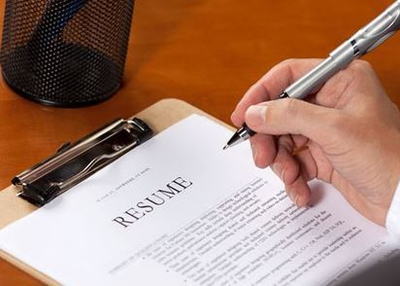
Welcome back friends, Today On Just Web World we’re back with one new and interesting post on How To Write The Perfect Resume For Your First Job Interview.
How to Write a Resume for a Job Interview
To have an great resume to influence others and getting accepted in job interviews you can follow the tips written below.
Your resume plays a vital role while applying for a job so it demonstrate the following:
You’re a employee to a company
How did meet the requirements of the job