


Introduction
Ground covers may not always be the stars of the landscape design show, but they play a pivotal role in both practical and aesthetic dimensions of our gardens. From preventing soil erosion to enhancing the visual appeal of outdoor spaces, ground covers are crucial elements that can significantly impact garden maintenance and lawn maintenance efforts. In this article, we will explore the multifaceted roles that ground covers play in erosion control and aesthetics, providing a comprehensive guide for gardening enthusiasts, landscape designers, and homeowners alike.
The Role of Ground Covers in Erosion Control and Aesthetics
Ground covers serve as nature's carpet, covering the soil with a protective layer that helps prevent erosion while adding beauty to landscapes. They act like a shield against rainwater runoff, which can wash away precious topsoil. With their dense root systems, these plants stabilize the soil structure, making them an excellent choice for slopes or areas prone to erosion. Moreover, their lush foliage can soften hard edges in your landscape design, providing a more inviting appearance.
Understanding Erosion: The Basics
Before diving deeper into how ground covers combat erosion, it’s essential to understand what erosion is. Erosion is a natural process where soil and rock particles are worn away and transported by wind or water. This phenomenon can lead to significant problems:
Loss of Soil Fertility:
Topsoil is rich in nutrients; losing it means losing valuable resources for plant growth.
Water Quality Issues:
Sediments can pollute water bodies, affecting aquatic life.
Landscape Damage:
Eroded areas look barren and unattractive.
Ground covers mitigate these issues effectively through:
Choosing Ground Covers for Erosion Control
When selecting ground covers for your garden or landscape project aimed at controlling erosion, consider the following factors:
1.
Climate Adaptability
Choose plants suited for your local climate conditions—be it drought-tolerant varieties or those that thrive in wet conditions. 2.
Soil Type
Different ground covers have varying tolerances to different soil types such as sandy, clayey, or loamy soils. 3.
Root Systems
Look for species with deep-root systems that provide substantial anchorage. 4.
Growth Habit
Some grow low and spread wide (like creeping thyme), while others might take on a more upright form (like certain ferns).
Popular Ground Cover Species for Erosion Control
Here are some well-regarded ground cover options known for their effectiveness in preventing erosion:
| Plant Name | Characteristics | Ideal Conditions | |--------------------|-------------------------------------|-------------------------------| | Creeping Thyme | Drought-resistant, aromatic | Full sun | | Irish Moss | Dense mat-forming | Cool climates | | Blue Star Creeper | Tolerates foot traffic | Sun to partial shade | | Vinca Minor | Fast-growing with glossy leaves | Shade | | Ajuga (Bugleweed) | Attractive flowers | Partial shade |
These plants not only help combat erosion but also enhance the overall aesthetics of your garden through diverse textures and colors.
Creating an Aesthetic Landscape Design with Ground Covers
In addition to their functional benefits in controlling erosion, ground covers enrich landscape design by introducing layers of texture and color that can elevate any outdoor space from mundane to magnificent.
1.
Color Contrast
Mix various species with different leaf colors—green with silver or purple—to create vibrant patches throughout your landscape. 2.
Seasonal Interest
Select ground covers that bloom at different times throughout the year to ensure continuous color changes across seasons. 3.
Combining Textures
Use coarse-textured plants alongside finer ones for visual appeal; this interplay keeps eye movement engaged throughout the garden space.
Maintenance Tips for Ground Covers
Even though ground covers are generally low-maintenance plants compared to traditional lawns or flower beds, they still require care to thrive:
1.
Proper Watering Practices
Newly planted ground covers need regular watering until established; after that, most will require minimal irrigation unless experiencing extreme drought conditions. 2.
Mulching Techniques
Applying mulch around base plants not only suppresses weeds but also conserves moisture—keeping your plants healthy! 3.
Pruning and Trimming
Regularly prune back overzealous growths; this keeps them within designated bounds while promoting fuller growth patterns.
The Environmental Benefits of Ground Covers
Beyond aesthetics and erosion control lies a treasure trove of environmental advantages offered by utilizing ground covers:
They improve biodiversity by providing habitats for beneficial insects. Some species attract pollinators like bees and butterflies. They can reduce urban heat island effects by cooling surfaces naturally through transpiration processes.
FAQs About Ground Covers
What are some common mistakes when using ground covers?
One common mistake is choosing inappropriate species for specific sites—like planting sun-loving varieties under heavy shade! Always research beforehand or consult local experts familiar with your area's flora.
How quickly do ground covers spread?
Most grow relatively fast but vary by species; some might establish quickly within one season while others may take multiple years before achieving full coverage!
Are all ground covers invasive?
Not all—but many popular ones can become invasive if left unchecked! Research properly before planting any new species into existing areas so you don't inadvertently disrupt local ecosystems!
Can I use ground cover in shaded areas?
Absolutely! https://phoenixprolandscaping.com/landscaping/wickenburg-az/ Many varieties thrive perfectly well under shady conditions—consider options like ferns or certain ivy types specifically bred for low-light situations!
Do I need specific tools for maintaining ground cover?
Basic gardening tools should suffice! Pruners or shears work wonders on overgrowth while spades assist during planting or transplanting efforts needed at times too!
How do I manage weeds among my ground cover?
Regular monitoring helps catch weeds early; mulching offers an added layer against unwanted plant growth as does proper spacing between individual specimens local landscaping services chosen originally!
Conclusion
The Role of Ground Covers in Erosion Control and Aesthetics cannot be overstated—they're integral components that marry function with beauty seamlessly across landscapes everywhere! By carefully selecting appropriate species tailored specifically towards individual environmental needs while practicing mindful maintenance techniques along each step—we elevate our outdoor spaces into harmonious sanctuaries flourishing both visually pleasing & ecologically sound!
Whether you're redesigning an existing garden space or starting from scratch altogether—embracing these versatile players will undoubtedly yield bountiful rewards down every path taken! Happy gardening!


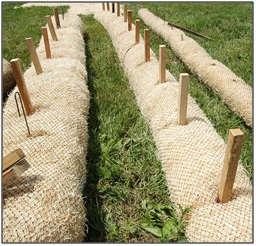
Global Erosion and Sediment Control Scope and Market SizeErosion and Sediment Control market is segmented by company, region (country), by Type, and by Application.
Players, stakeholders, and other participants in the global Erosion and Sediment Control market will be able to gain the upper hand as they use the report as a powerful resource.
The segmental analysis focuses on revenue and forecast by Type and by Application in terms of revenue and forecast for the period 2016-2027.Download FREE Sample of this Report @ https://www.statsmarketresearch.com/download-free-sample/6493090/global-erosion-sediment-control-2021-2027-844Segment by TypeErosion ControlSediment ControlSegment by ApplicationHighway and Road ConstructionEnergy and MiningGovernment and MunicipalityLandfill Construction and MaintenanceInfrastructure DevelopmentIndustrial ManufacturingOthersBy RegionNorth AmericaUnited StatesCanadaEuropeGermanyFranceU.K.ItalyRussiaNordicRest of EuropeAsia-PacificChinaJapanSouth KoreaSoutheast AsiaIndiaAustraliaRest of AsiaLatin AmericaMexicoBrazilRest of Latin AmericaMiddle East & AfricaTurkeySaudi ArabiaUAERest of MEABy CompanyTriton EnvironmentalSMI CompaniesACF EnvironmentalSilt Management SuppliesConstruction EcoservicesGEI WorksL and M SupplyAussie ErosionJen-Hill Construction MaterialsGeosolutionsReasons to Purchase Our Research Report:1.
Market dynamics scenario, along with growth opportunities of the market in the years to come3.
Market segmentation analysis including qualitative and quantitative research incorporating the impact of economic and non-economic aspects4.
Regional and country-level analysis integrating the demand and supply forces that are influencing the growth of the market.5.