Understanding Developmental Milestones in Children
Developmental milestones are specific skills and abilities that most children can do by a certain age range. These milestones are used by healthcare professionals, including occupational therapists, to track the progress of a child's development. They encompass a variety of domains, including physical, cognitive, social, and emotional development. Monitoring these milestones helps identify any delays or abnormalities early on, allowing for timely interventions that can significantly improve the child's developmental trajectory.
For instance, in the physical domain, milestones include actions such as rolling over, sitting up, crawling, and walking. Cognitive milestones involve problem-solving skills, memory, and the ability to understand and follow instructions. Social and emotional milestones are reflected in a child's ability to interact with others, show empathy, and manage their own emotions. Each of these domains is interconnected, and delays in one area can impact other areas of development.
The Role of Occupational Therapy in Supporting Developmental Milestones
Occupational therapists are crucial in supporting children to reach their developmental milestones. They use a variety of therapeutic techniques and activities designed to enhance the child's ability to perform daily tasks and participate in social and educational activities. These professionals are trained to assess a child's development comprehensively, identifying areas where the child may need additional support.
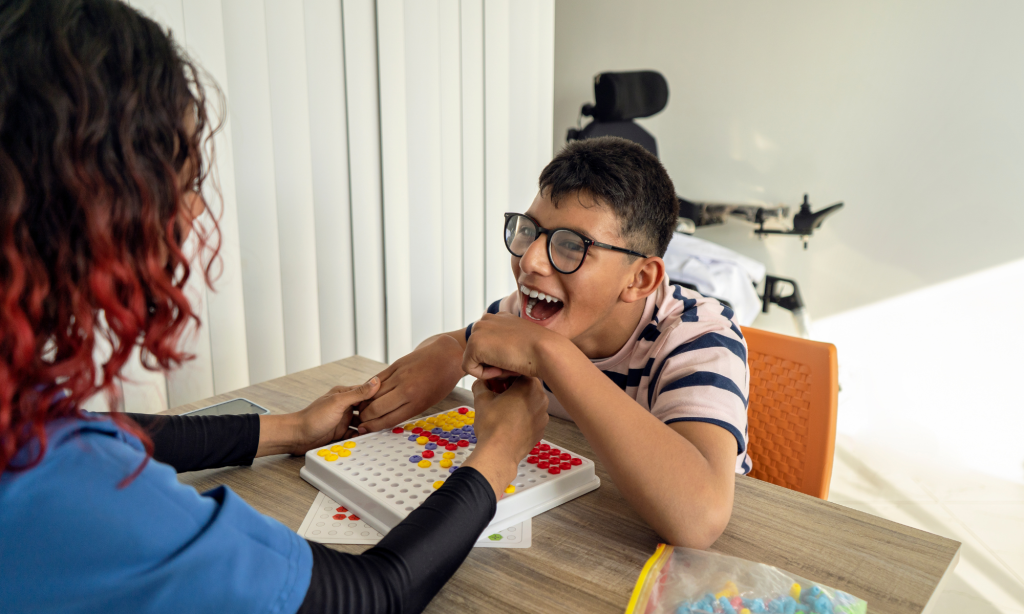
For example, if a child has difficulty with fine motor skills, such as grasping objects or using utensils, an occupational therapist might use activities like playing with clay or threading beads to improve hand-eye coordination and dexterity. Similarly, for children struggling with sensory processing issues, therapists may implement sensory integration techniques to help the child better respond to sensory stimuli.
Customized Therapy Plans for Children
One of the key strengths of occupational therapy is its individualized approach. Therapists create customized therapy plans tailored to each child's unique needs and developmental goals. These plans are often developed in collaboration with the child's family, teachers, and other healthcare providers to ensure a holistic approach to the child's development.
Customized therapy plans may include a combination of direct therapy sessions, home-based activities, and recommendations for modifications in the child's environment. For instance, a therapist might suggest specific exercises to be done at home to reinforce skills learned during therapy sessions. They might also recommend changes to the child's classroom setup to better support their learning and participation.
Enhancing Social and Emotional Development through Occupational Therapy
Social and emotional development is a critical aspect of a child's overall growth. Occupational therapists play a significant role in helping children develop the skills needed to interact effectively with others and manage their emotions. Through group activities, role-playing, and social stories, therapists can teach children important social skills such as taking turns, sharing, and understanding social cues.
Additionally, occupational therapists can help children develop emotional regulation skills. This might involve teaching coping strategies for managing frustration, anxiety, or anger. By providing a safe and supportive environment, therapists help children practice these skills and build confidence in their ability to navigate social situations.
Supporting Cognitive Development through Occupational Therapy
Cognitive development involves the growth of a child's thinking, problem-solving, and learning abilities. Occupational therapists support cognitive development by engaging children in activities that challenge their thinking and promote cognitive skills. These activities might include puzzles, memory games, and problem-solving tasks that encourage critical thinking and creativity.
Therapists also work on improving executive functioning skills, such as planning, organizing, and time management. These skills are essential for success in school and daily life. By breaking down tasks into manageable steps and using visual aids, therapists help children develop strategies to approach complex tasks and improve their cognitive functioning.
Addressing Sensory Processing Issues through Occupational Therapy
Many children experience challenges with sensory processing, which can affect their ability to respond appropriately to sensory stimuli. Occupational therapists are trained to identify and address sensory processing issues, helping children develop the skills needed to cope with sensory input in a more adaptive manner.
Sensory integration therapy is a common approach used by occupational therapists to help children with sensory processing issues. This therapy involves activities that are designed to provide the right amount of sensory input to help the child regulate their sensory responses. For example, swinging, bouncing, and deep pressure activities can help children who are over-responsive to sensory stimuli, while activities that provide more sensory input can help children who are under-responsive.
The Importance of Early Intervention in Occupational Therapy
Early intervention is critical in addressing developmental delays and supporting children's development. Occupational therapists play a vital role in early intervention programs, working with infants and young children to address developmental concerns as early as possible. Research has shown that early intervention can lead to significant improvements in a child's developmental outcomes, reducing the need for more intensive interventions later in life.
Early intervention services provided by occupational therapists may include developmental screenings, parent education, and direct therapy services. By working closely with families, therapists can help parents understand their child's developmental needs and provide strategies to support their child's growth and development at home.
Collaborating with Families and Educators
Collaboration is a cornerstone of effective occupational therapy. Occupational therapists work closely with families, educators, and other professionals to create a supportive network around the child. This collaborative approach ensures that the child's developmental needs are addressed comprehensively and consistently across different settings.
Therapists often provide training and resources to parents and teachers to help them implement therapeutic strategies in the child's daily routines. This might include demonstrating specific exercises, suggesting modifications to the child's environment, or providing tools and resources to support the child's development. By involving families and educators in the therapy process, therapists can create a more cohesive and supportive environment for the child.
Measuring Progress and Adjusting Therapy Plans
Monitoring and measuring progress is an essential aspect of occupational therapy. Therapists use a variety of assessment tools and techniques to track the child's development and evaluate the effectiveness of the therapy plan. Regular assessments allow therapists to make data-driven decisions and adjust the therapy plan as needed to ensure the child continues to make progress.
Progress is often measured through observations, standardized tests, and feedback from the child, family, and educators. By regularly reviewing the child's progress, therapists can identify areas where the child has made significant gains and areas that may require additional focus. This ongoing assessment process ensures that the therapy plan remains relevant and effective in supporting the child's development.
The Long-Term Impact of Occupational Therapy on Children's Development
The impact of occupational therapy on children's development extends far beyond the therapy sessions. The skills and strategies children learn through occupational therapy can have a lasting effect on their ability to succeed in school, build meaningful relationships, and participate in daily activities. By addressing developmental challenges early on, occupational therapists help children build a strong foundation for future success.
In the long term, children who receive occupational therapy are more likely to achieve their developmental milestones and develop the skills needed to navigate the challenges of adolescence and adulthood. The support and guidance provided by occupational therapists empower children to reach their full potential and lead fulfilling, independent lives.
Conclusion
Occupational therapists play a pivotal role in supporting the developmental milestones of children, helping them achieve success in their daily activities and reach their full potential. Through individualized therapy plans, collaboration with families and educators, and a focus on early intervention, occupational therapists provide the support and guidance children need to thrive. The long-term impact of occupational therapy on children's development is profound, setting the stage for future success and independence.