In recent years, concerns around hygiene, sustainability, and health safety have become more prominent across the globe. Amidst these challenges, UV LED sterilization technology has emerged as a powerful, eco-friendly alternative to traditional chemical-based disinfection methods. From hospitals to consumer homes, this technology is revolutionizing the way we approach cleanliness, providing a safer, more efficient, and environmentally conscious solution for sterilization.
In this article, we delve into the growth of UV LED sterilization, its impact on various industries, and how it is paving the way for safer and greener disinfection practices in the future.
Understanding UV LED Sterilization Technology
UV LED sterilization works by emitting ultraviolet (UV) light in the UVC spectrum, which is known for its ability to destroy microorganisms. The UVC light deactivates the DNA or RNA of bacteria, viruses, and other pathogens, rendering them incapable of reproduction and effectively killing or neutralizing them.
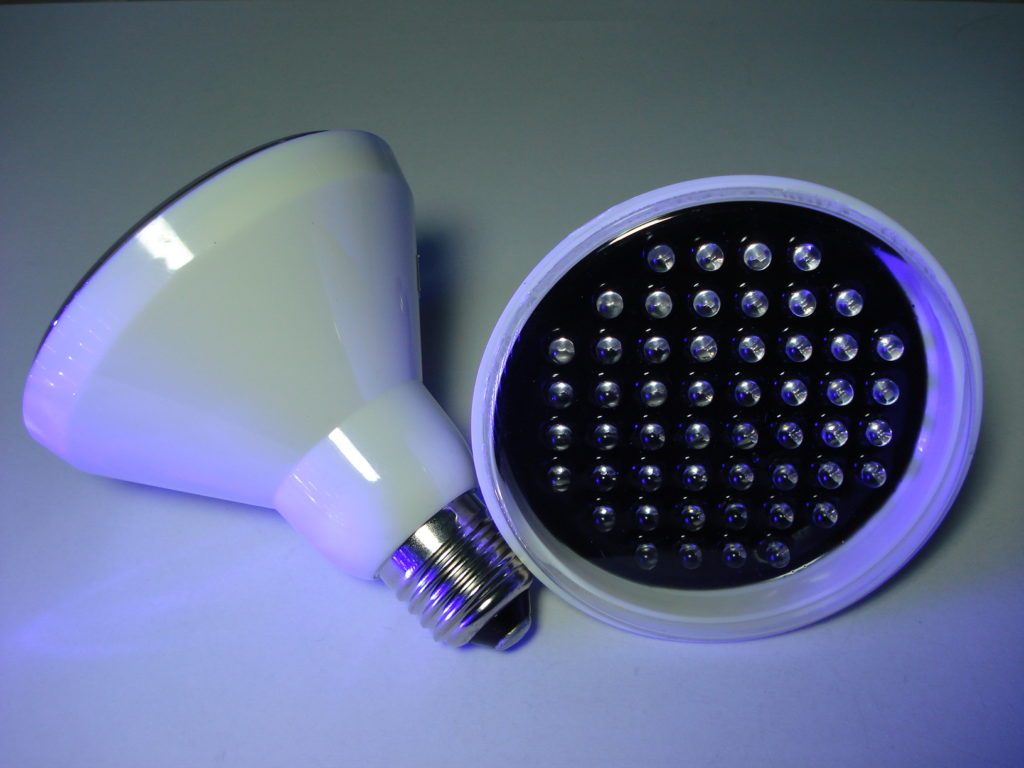
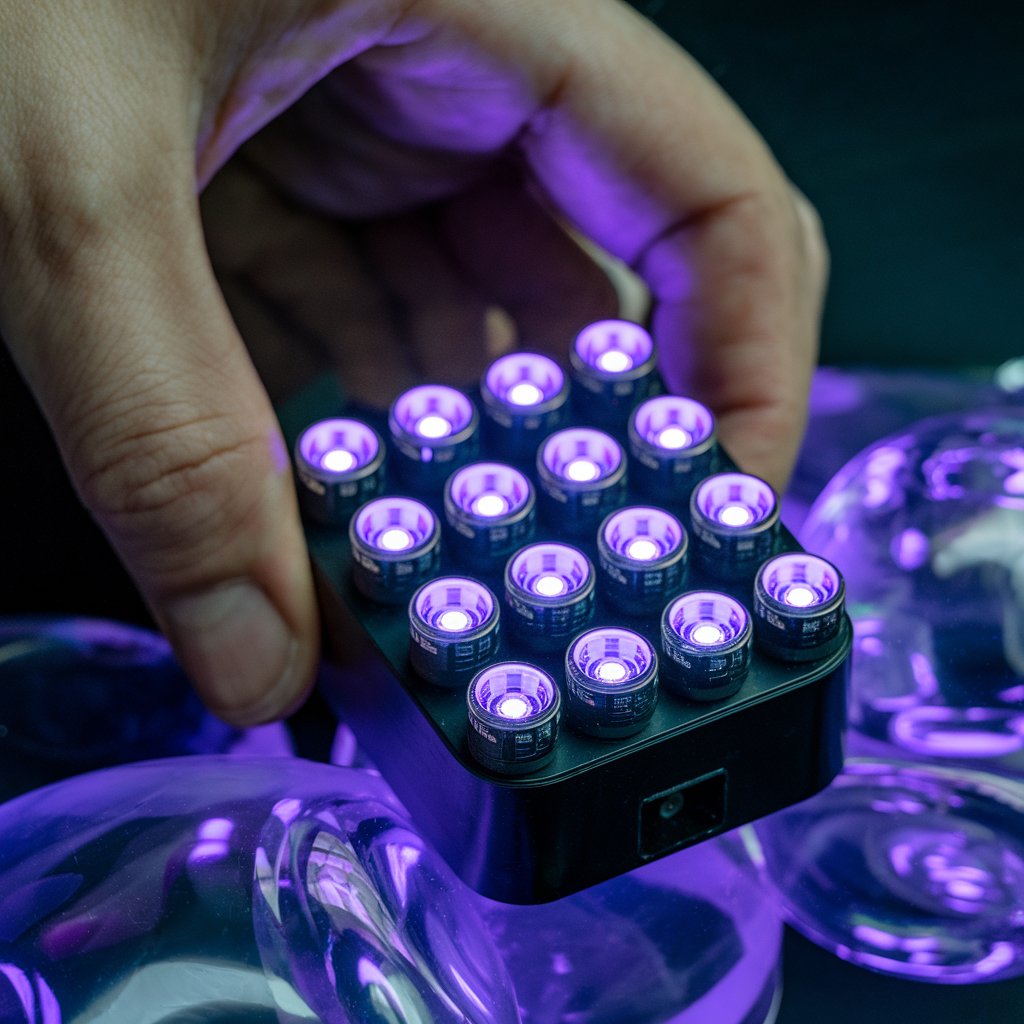
Unlike traditional UV sterilization systems, which often rely on mercury vapor lamps, UV LED technology uses light-emitting diodes (LEDs). These LEDs are energy-efficient, offer a longer lifespan, and are free from hazardous materials like mercury, making them a safer and more sustainable alternative.
UV LED sterilization has a wide range of applications, including water purification, air sterilization, surface cleaning, and even personal hygiene products. As industries focus on improving hygiene standards, reducing environmental footprints, and ensuring human safety, UV LED sterilization is increasingly becoming the method of choice for disinfection.
Key Advantages of UV LED Sterilization
1. Chemical-Free Disinfection
One of the biggest advantages of UV LED sterilization is its ability to disinfect without the use of chemicals. Traditional disinfectants often contain harsh substances that can leave behind harmful residues or negatively affect the environment. In contrast, UV LED sterilization relies purely on the power of light to neutralize pathogens, making it a safer, non-toxic option for many industries.
In sectors like healthcare and food safety, where sterilization must be both thorough and non-invasive, UV LED technology offers a chemical-free, highly effective solution. This is especially critical in the food and beverage industry, where chemical residues in products could affect taste, quality, or safety. UV LEDs ensure that products remain untouched by harmful substances.
2. Energy Efficiency and Cost Savings
UV LED sterilization systems are much more energy-efficient than their mercury-based counterparts. UV LEDs require less power to produce the same amount of ultraviolet light, reducing overall energy consumption. This efficiency leads to significant cost savings for businesses in industries where disinfection needs to happen frequently and on a large scale.
For instance, in large-scale water treatment plants, UV LED sterilizers can operate at lower power levels, reducing both electricity costs and carbon emissions. Similarly, air purifiers and HVAC systems equipped with UV LED technology use less energy, contributing to more sustainable practices and helping businesses reduce their environmental impact.
3. Environmental Sustainability
As sustainability continues to be a major global focus, UV LED sterilization presents a more environmentally friendly alternative to traditional sterilization methods. Traditional UV sterilization lamps often contain mercury, a toxic substance that requires special disposal procedures. In contrast, UV LEDs are mercury-free and can be safely recycled, making them a more eco-friendly solution for disinfection.
The longevity of UV LEDs, which can last up to 20,000 hours or more, also contributes to their sustainability. With fewer replacements required, UV LED technology reduces electronic waste and lowers the environmental impact of disinfection systems. As industries and consumers continue to prioritize eco-conscious choices, UV LED sterilization technology fits perfectly within these green initiatives.
Download PDF Brochure @ https://www.marketsandmarkets.com/pdfdownloadNew.asp?id=143107738
4. Longer Lifespan and Durability
UV LED sterilizers have a significantly longer operational life compared to traditional UV lamps. While mercury lamps typically last around 1,000 to 2,000 hours, UV LEDs can continue to operate effectively for up to 20,000 hours or more. This extended lifespan reduces maintenance costs, downtime, and the need for frequent replacements, making them a more durable investment for businesses.
Moreover, UV LEDs are compact, robust, and resistant to damage, making them highly suitable for both portable and large-scale applications. This durability allows businesses to rely on UV LED sterilization systems for extended periods without sacrificing performance.
5. Versatility Across Different Industries
UV LED sterilization is versatile and can be applied in numerous industries. From healthcare to water purification, food safety, and air sterilization, this technology adapts to a variety of needs. The ability to integrate UV LEDs into different systems makes it an ideal solution for businesses across the globe.
Healthcare: UV LEDs are becoming widely used in hospitals, clinics, and medical centers to disinfect medical instruments, sterilize air in critical care units, and clean high-touch surfaces in patient rooms. Hospitals use UV LED sterilizers to improve air quality by removing pathogens from ventilation systems and to reduce the spread of hospital-acquired infections (HAIs).
Water Treatment: In municipal water treatment plants, UV LED sterilizers are used to disinfect drinking water, removing harmful pathogens without the use of chemicals. In both residential and industrial water purification systems, UV LED technology is proving to be an effective and sustainable solution for ensuring safe, clean water.
Food Safety: UV LED sterilization is increasingly used to ensure food safety, as it disinfects food packaging, processing equipment, and even the food itself. This technology helps reduce the risk of foodborne illnesses and prolongs the shelf life of products. It also prevents contamination without affecting the taste or nutritional value of the food.
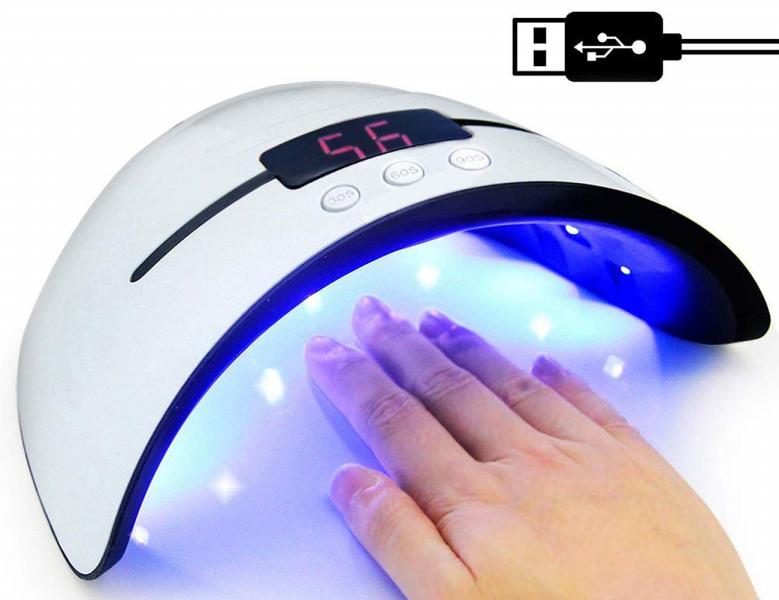
Consumer Products: UV LED sterilization is gaining popularity in consumer products, such as portable UV sterilizers for smartphones, personal items, and even baby bottles. With the increasing demand for hygiene, these products offer individuals a convenient and effective way to sanitize their personal belongings while on the go.
Applications in Various Industries
1. Healthcare Industry
Hospitals and healthcare facilities are among the earliest adopters of UV LED sterilization. The technology is utilized to disinfect medical equipment, such as surgical instruments, as well as high-traffic areas like operating rooms and emergency departments. UV LED sterilization is also being integrated into air purifiers and HVAC systems to reduce airborne pathogens, offering a cleaner and safer environment for patients and healthcare workers.
In addition, portable UV LED sterilizers are used to disinfect personal protective equipment (PPE) and reusable medical devices, providing a sustainable solution for infection control.
2. Water and Wastewater Treatment
UV LED sterilization plays a crucial role in water treatment, ensuring clean and safe drinking water. The technology is used in water filtration systems to eliminate harmful microorganisms, replacing traditional chemical treatments like chlorine. This provides a chemical-free solution that is better for the environment and human health.
For wastewater treatment, UV LEDs are employed to disinfect effluent before it is released into natural water sources, ensuring that contaminants are eliminated without introducing additional pollutants into the environment.
3. Food and Beverage Industry
In food production, UV LED sterilization ensures that food is free from pathogens. The technology is used to disinfect food processing surfaces, packaging, and even raw food items such as fruits and vegetables. It is also used for pasteurization processes, offering an alternative to heat-based methods that can alter the taste and nutritional value of food.
In beverage production, UV LEDs sterilize liquids like juices, milk, and water without the use of chemicals, preserving the product’s natural qualities while ensuring safety.
4. Consumer Products
On the consumer front, UV LED sterilization is being incorporated into everyday products to enhance personal hygiene. Devices like portable UV sterilizers for smartphones, toothbrushes, and even kitchen tools are growing in popularity. These products allow individuals to disinfect their belongings conveniently, ensuring that they stay free from harmful microorganisms wherever they go.
UV LED technology is also being used in home air purifiers and humidifiers, ensuring that the air in homes is free from bacteria and viruses, promoting a healthier living environment.
The Future of UV LED Sterilization
The future of UV LED sterilization is poised for rapid growth. As consumers and industries increasingly prioritize hygiene and environmental sustainability, the demand for chemical-free, energy-efficient sterilization methods will continue to rise. Advancements in UV LED technology, including improvements in light output and efficiency, will drive further innovation, opening up new opportunities for sterilization across various sectors.
With the continued focus on reducing chemical dependency, lowering energy consumption, and fostering sustainable practices, UV LED sterilization is set to become a key player in ensuring cleaner, safer, and more sustainable environments for years to come.
Conclusion
UV LED sterilization represents the future of clean, chemical-free disinfection, offering a safe, sustainable, and highly effective alternative to traditional methods. Its advantages—ranging from energy efficiency and chemical-free operations to its versatility across industries—make it a transformative technology with the potential to shape the future of hygiene and safety. Whether in healthcare, water purification, food safety, or consumer products, UV LED sterilization is paving the way for a cleaner, safer, and more sustainable world.


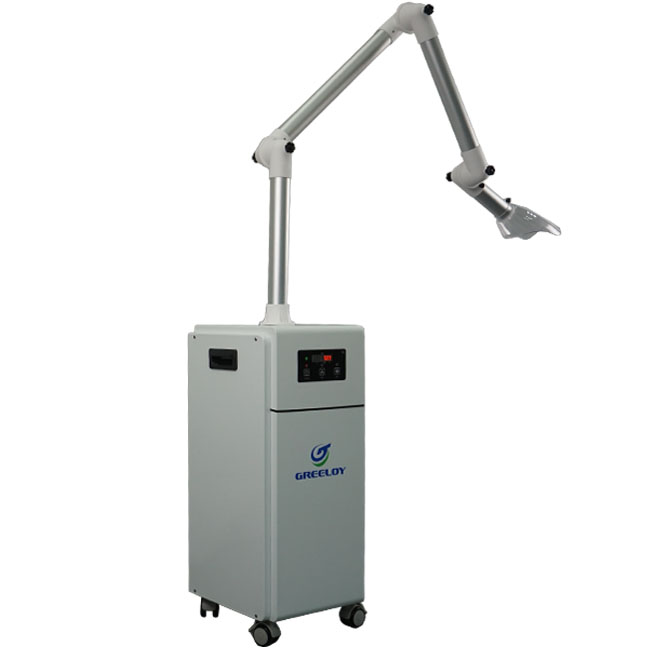
Dental Extraoral Suction Machine - FDA registered.
With double HEPA H-13 Filters + UV-Plasma Sterilization light!1000 W, 4000 L/min volume, Dental Extraoral suction machine, with 2 HEPA grade filters (H13) and built in UV Disinfectant Light & Plasma Sterilization for dramatic elimination of aerosols generated during procedures!Features1.
Two sets of HEPA+ Activated Carbon filters, combined with a vacuum motor with excellent suctioning ability!2.
Includes UV-C Irradiation and Plasma Sterilization – which effectively eliminates pathogens contained in aerosols and droplets generated during dental procedures.3.
Rolling base with segmented rotary arm allows optimal adjustment to your desired position over patient.4.
Includes touch-panel controls to adjust power (2 settings,) and a digital display which keeps track of usage for timely filter/bulb replacement.Technical SpecificationsFDA: Class 1 DeviceVoltage: AC110vNoise: ≤60 dBFilter Power: 1.5KWMax Vacuum: -25KpaMax Air Flow: 4000L/minUV Sterilization: 254 NM (Approx 10000 hrs)Plasma Disinfection: 5000 V (Approx 20000 hrs)HEPA Grade: H13 (0.3 um, ≥99.97%) X 2Control: Touch Screen ControlWarranty: 1 Year Limited (parts)