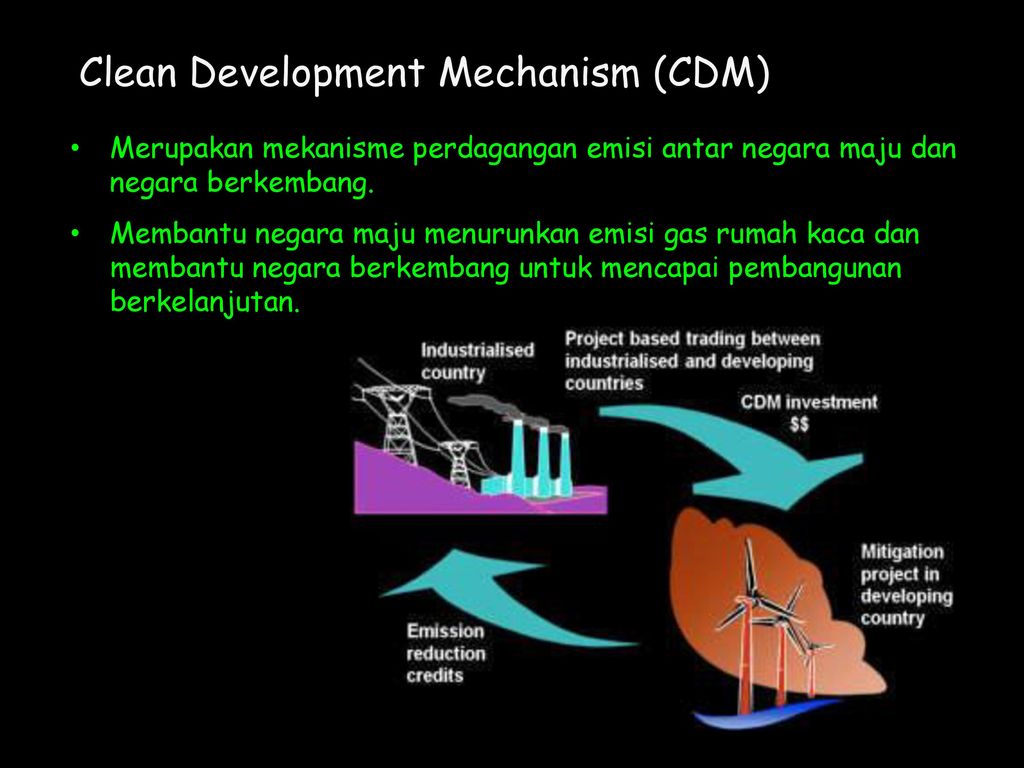
The Clean Development Mechanism (CDM) is a project-based mechanism established by the Kyoto Protocol to allow industrialized countries and private companies to invest in emission-reduction projects and earn certified emission reduction (CER) credits for subsequent use towards meeting their own greenhouse gas (GHG) reduction targets in a cost-effective manner. CDM projects generate CERs to offset emission reductions resulting from activities such as renewable energy projects, emission reductions from industrial gases and energy efficiency upgrades.
The Global Clean Development Mechanism Market is estimated to be valued at US$ 225.43 Billion in 2024 and is expected to exhibit a CAGR of 8.5% over the forecast period 2024-2031.
Key Takeaways
Key players operating in the CDM market are World Bank, Gold Standard Foundation, Verra, EcoSecurities, SouthSouthNorth, ClimateCare, Carbon Trust, Deloitte, Ernst & Young (EY), KPMG, PwC (PricewaterhouseCoopers), Natural Capital Partners, Sustainable Development Solutions Network (SDSN), and International Emissions Trading Association (IETA)
Clean Development Mechanism Market Demand include increasing adoption of clean energy technologies across developing nations and rising focus of governments worldwide on achieving net zero emissions by 2050 through robust carbon trading mechanisms. Technological advancements in areas such as renewable energy storage, carbon capture and utilization are also expected to boost market prospects.
Market drivers
Growing stringency of climate policies and carbon emission regulations worldwide is a prime factor supporting the growth of the CDM market. Stringent environmental protection norms in the European Union through the EU Emission Trading System (EU ETS) have increased demand for certified emission reductions through CDM projects in Asia and Africa. Another important driver is the steady decline in the costs of renewable energy technologies such as solar PV and wind turbines making emissions reduction projects more viable and cost-effective.
Current Challenges in Clean Development Mechanism (CDM) Market
The Clean Development Mechanism (CDM) market faces various challenges that hinder its wide application and growth potential. UNFCCC rules and regulations surrounding the CDM projects make them complex and time-consuming to execute. The verification and certification process also remains a lengthy and expensive affair. There is a lack of standardization in methodologies which results in increased transaction costs. Sustainable development criteria are often not properly incorporated in CDM projects. Developing countries also face resource and technical capacity constraints to identify potential CDM projects and navigate the complex regulatory environment.
SWOT Analysis
Strength: It provides an opportunity for low carbon investment and technology transfer to developing countries. The CDM market has the potential to generate substantial carbon credits.
Weakness: Reliance on volatile carbon credit prices. Variable quality of some CDM projects raises doubts about the legitimacy and integrity of emission reductions.
Opportunity: Scope for the mechanism to be incorporated under the Paris Agreement and support countries' climate actions and commitments. New opportunities may emerge in sectors like renewable energy, energy efficiency, waste management etc.
Threats: Changes in global climate policies and regulations could impact the future of the mechanism. Emergence of new carbon markets may affect the competitiveness and share of the CDM market.
Geographical Regions
In terms of value and volume of Certified Emission Reduction (CER) units issued, China and India are the dominant players in the CDM market, together accounting for over 70% of total CERs until now. Other Asia Pacific nations like Malaysia and Thailand have also emerged as important locations for CDM projects. In the Americas, Brazil is a major host country while in Europe, Mexico is a prominent host of CDM activities. Africa's share remains marginal currently with South Africa, Tunisia and Morocco implementing a small number of projects.
Fastest Growing Regions
While China and India will likely continue dominating the overall CDM market for the coming years given their large potential, other emerging economies in Asia and Africa are expected to witness faster percentage growth rates. Nations like Vietnam and Cambodia in Southeast Asia as well as Kenya and Morocco in Africa have shown rising interests in utilizing the CDM to support their NDCs and low-carbon development paths. Their annual growth rates are projected at 20-30% till 2030, much higher than the global average, as these countries try to scale up mitigation actions with the aid of flexible mechanisms and climate finance.
About Author:
Money Singh is a seasoned content writer with over four years of experience in the market research sector. Her expertise spans various industries, including food and beverages, biotechnology, chemical and materials, defense and aerospace, consumer goods, etc. (https://www.linkedin.com/in/money-singh-590844163)