What are SSL Certificates?
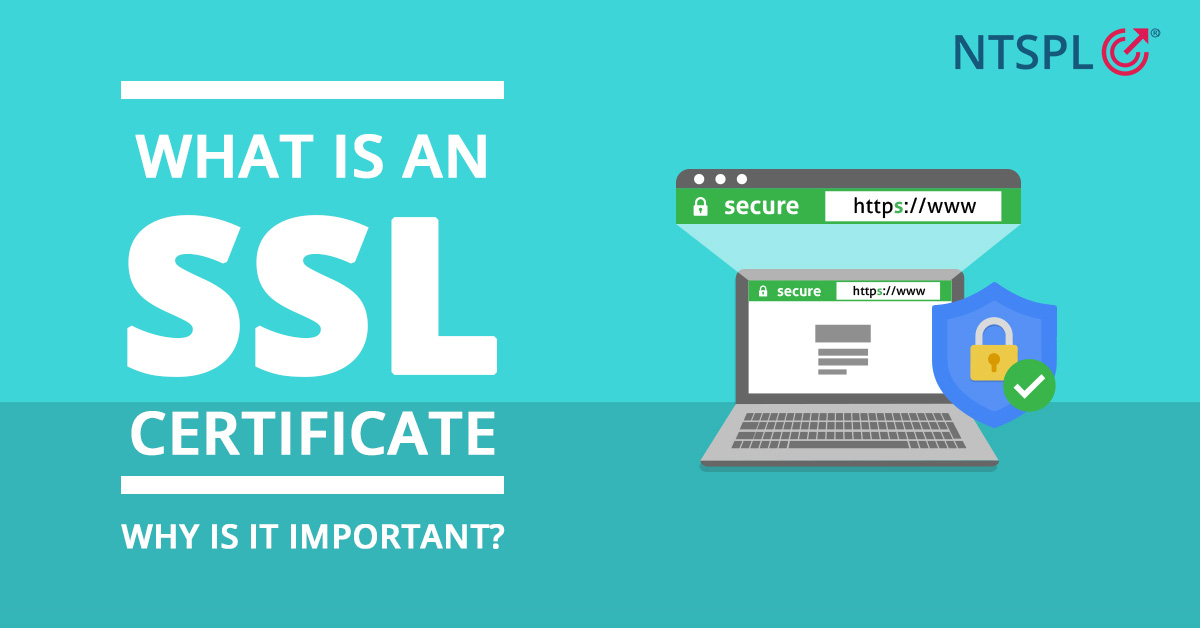
A Secure Sockets Layer (SSL) certificate is a digital certificate that authenticates the identity of a website and enables an encrypted connection. SSL certificates allow sensitive data such as credit card numbers, social security numbers, login credentials and other personal information to be transmitted securely between a web server and browser. Each SSL certificate contains a website domain name, the name of the issuer, an expiration date and a digital signature from the certificate authority that issued it. There are different types of SSL certificates available depending on the needs of the website owner.
Types of SSL Certificates
The main types of SSL Certificates are Domain Validated (DV), Organization Validated (OV) and Extended Validation (EV). A DV certificate only validates that the applicant controls the domain. An OV certificate validates the organization behind the domain through additional verification. An EV certificate provides the highest level of assurance by validating the legal identity of both the organization and domain through a stringent verification process.
Why are SSL Certificates Important?
SSL certificates play a critical role in establishing a secure and encrypted connection between web browsers and servers. Some key reasons why SSL certificates are so important today include;
Trust and Authentication
SSL certificates authenticate websites and establish user trust. They confirm to site visitors that they are interacting with the legitimate owner of a domain and prevent man-in-the-middle attacks. Without a valid certificate, browsers will display security warnings that could discourage users from interacting with a site.
Data Privacy and Security
SSL encryption protects sensitive data in transit from being intercepted or altered by third parties. It prevents eavesdropping and ensures only the intended recipient can view or modify the exchange of private information between parties. Data remains private and secure for payment transactions, logins, medical records transfers and other confidential communications.
SEO and Conversion Boost
Google and other search engines consider SSL as an important ranking signal. Implementing SSL can provide a slight boost in search visibility and ranking. SSL-sealed sites may also see increased conversion rates as users feel their data is more secure. Performance improvements from caching and HTTPS also enhance the user experience.
Regulatory Compliance
Various regulations and compliance standards such as PCI DSS, HIPAA, GDPR require the use of SSL on websites that collect or store sensitive personal data. Non-compliance can result in fines, audits and reputational damage. SSL eliminates compliance risks and demonstrates an organization's commitment to data protection to clients and partners.
Monetary Considerations
While SSL certificates were once primarily used by enterprises, the rise of e-commerce means even small businesses need them. Consumers have grown accustomed to the security padlock indicators and may question the legitimacy of sites that don't use HTTPS. Not implementing SSL can lead to lost sales and customers.
Choosing an SSL Certificate
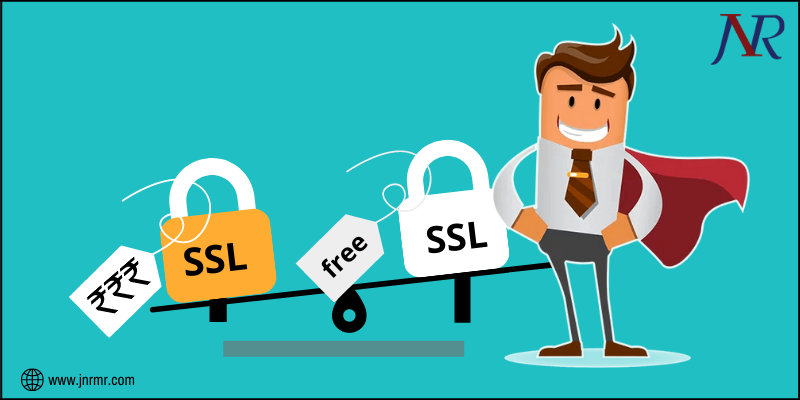
When choosing an SSL certificate, factors to consider include verification level needed, cost, compatibility with server software and future requirements. A DV certificate works well for basic website SSL but may not fully meet compliance or assure visitors for sensitive services like banking. An EV cert provides the highest confidence but is more expensive. Look for popular brands from established providers with automatic renewals to simplify ongoing maintenance. Get certificates installed properly and renew in advance of expiration dates. Online business and digital services continue to expand, SSL certification plays an increasingly important role in website security, user trust and regulatory compliance. From mobile commerce to cloud computing to internet of things devices, the need for strong encryption during data transfers over public networks will only intensify. While once an optional security measure, SSL is now effectively a necessity for almost any public facing website. Proper implementation strengthens brand reputation and protection of private information in the connected world.
About Author:
Priya Pandey is a dynamic and passionate editor with over three years of expertise in content editing and proofreading. Holding a bachelor's degree in biotechnology, Priya has a knack for making the content engaging. Her diverse portfolio includes editing documents across different industries, including food and beverages, information and technology, healthcare, chemical and materials, etc. Priya's meticulous attention to detail and commitment to excellence make her an invaluable asset in the world of content creation and refinement.
(LinkedIn- https://www.linkedin.com/in/priya-pandey-8417a8173/)