


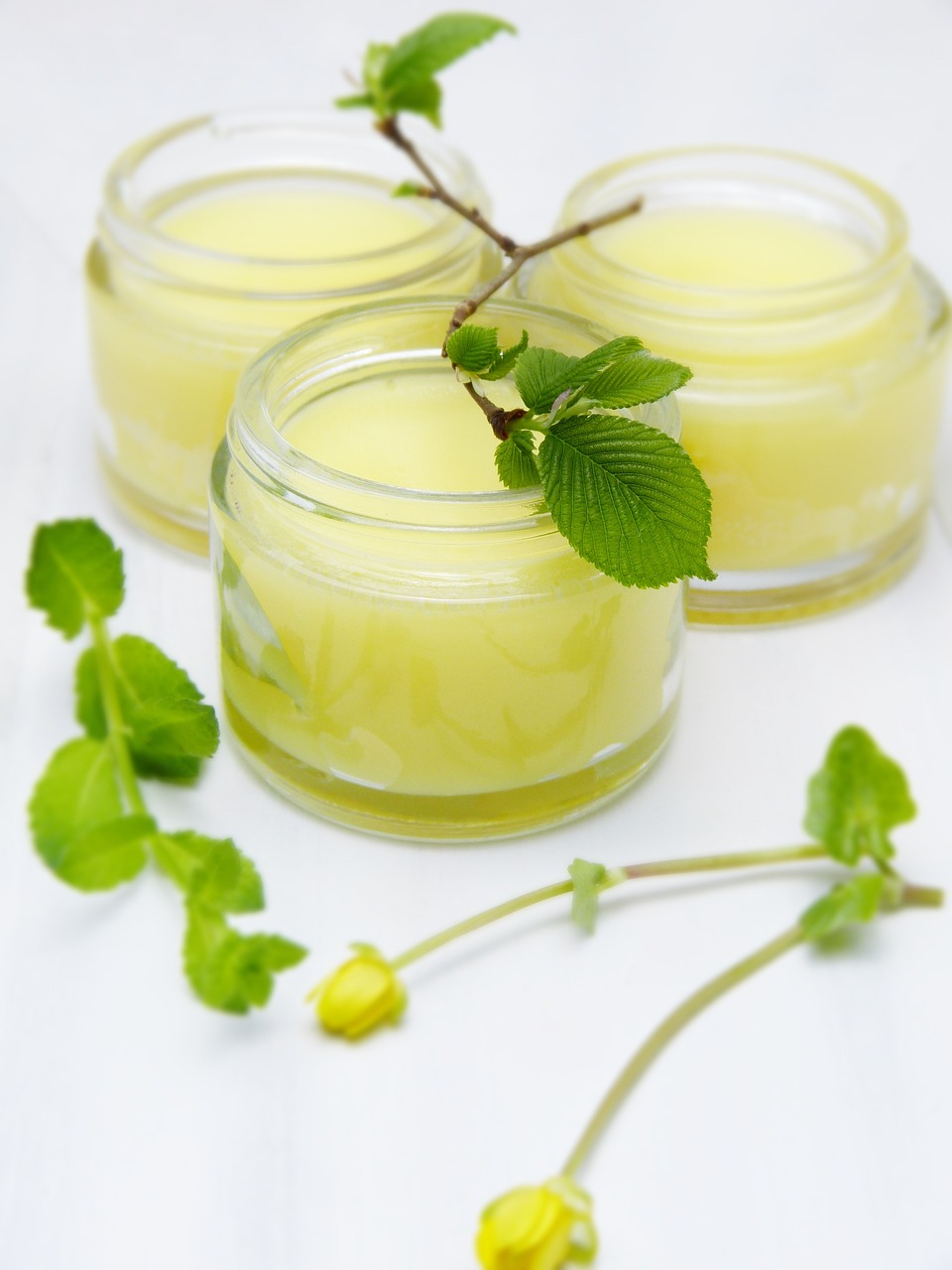
Origin and Composition of Shea Butter
Shea Butter comes from the nut of the African shea tree (Vitellaria paradoxa), which is indigenous to the subtropical regions of Africa. The shea tree nut grows inside a large, fleshy fruit pod and contains high amounts of natural fatty acids and vitamins that make shea butter ideal for skin and hair care.
When shea nuts are collected from the trees, they are sundried, cracked, and roasted to extract the raw Shea Butter. This raw Shea Butter is then refined through a process that removes impurities and shelf stabilizes the butter. Refined shea butter maintains a soft, creamy texture at room temperature.
On a chemical level, shea butter is composed mainly of stearic acid, oleic acid and palmitic fatty acids. Shea Butter also contains vitamins A, E and F which provide antioxidant protection for the skin. The high fat content makes shea butter an emollient that melts upon contact with the skin, coating and hydrating the skin.
Traditional Uses of Shea Butter in Africa
For centuries in Africa, shea butter has held a vital role for cultural, economic and nutritional purposes. In traditional communities, shea nuts were an important cash crop and shea butter was a staple ingredient used for cooking, cosmetics and medicine.
As a cooking fat, shea butter has a high smoke point making it suitable for frying foods. It was also applied to skin and hair for protection from harsh weather. For its healing properties, shea butter was used to soothe burns, wounds, rashes, swelling and joint pain.
Cosmetically, Shea Butter formed the base of beauty creams and lotions prized for its deep moisturization. Women would rub it onto their bodies as a body butter and protectant against dry climates. With regular use, Shea Butter helped improve skin tone and texture.
To this day, the shea industry continues to uplift communities in Africa and shea butter remains a popular ingredient incorporated into everyday grooming and health practices. Its versatile uses have endured through traditions passed down over
generations.
Benefits of Shea Butter for Skin and Hair As a natural skin moisturizer, shea butter effectively hydrates skin without leaving an oily or greasy residue behind. Due to its high concentration of fatty acids and vitamins, shea butter can:
- Soothe dry, flaky, or irritated skin conditions like eczema and dermatitis. The anti-inflammatory compounds relieve itching and redness.
- Help repair damaged skin barriers and heal minor burns, wounds, insect bites or scrapes faster. - Improve the appearance of scars and stretch marks over time with regular application.
- Slow down visible signs of aging by reducing fine lines, wrinkles and dry patches. The antioxidants protect skin from free radical damage. - Nourish and condition very dry hair, leaving it soft, smooth and shiny. When applied to ends and lengths, shea butter seals in moisture.
- Act as a heat protectant when using hot tools like blow dryers or curling/straightening irons on hair. - Soothe scalp irritation, flakiness and itchiness associated with conditions like psoriasis or dermatitis. In addition, the high fat makeup of shea butter makes it a non-comedogenic moisturizer that won't clog pores or cause acne breakouts like some other heavy creams can.
Using Shea Butter for Maximum Benefits
When using shea butter for skin or hair, it's best applied in small amounts to problem areas that need extra moisture rather than all over. Massage it in with fingertips to help the skin or follicles absorb the nutrients.
For skin, shea butter performs well when used as part of a daily moisturizing routine either morning or night. As a makeup base, it primes skin and locks hydration into the complexion.
As a hair treatment, shea butter deeply conditions by starting with damp hair and concentrating on the lower halves and ends. Leave it in for 30 minutes before shampooing or apply as a leave-in product.
When buying shea butter, opt for raw or unrefined varieties that retain the highest nutrient levels. Refined shea butter is also fine to use but has undergone more processing. Store opened tins of shea butter in the refrigerator to maintain freshness.
As a gift from nature, shea butter leverages the nourishing fatty acids and antioxidants within shea nuts to deliver rich moisturization from head to toe. Whether addressing specific skin concerns or simply improving hydration as a natural beauty basic, shea butter has endured the test of time across Africa for its gentle yet effective remedies. Its popularity continues to spread globally with shea butter now recognized worldwide as a premium moisturizer and multi-purpose skin and hair savior.
About Author:
Vaagisha brings over three years of expertise as a content editor in the market research domain. Originally a creative writer, she discovered her passion for editing, combining her flair for writing with a meticulous eye for detail. Her ability to craft and refine compelling content makes her an invaluable asset in delivering polished and engaging write-ups.
(LinkedIn: https://www.linkedin.com/in/vaagisha-singh-8080b91)

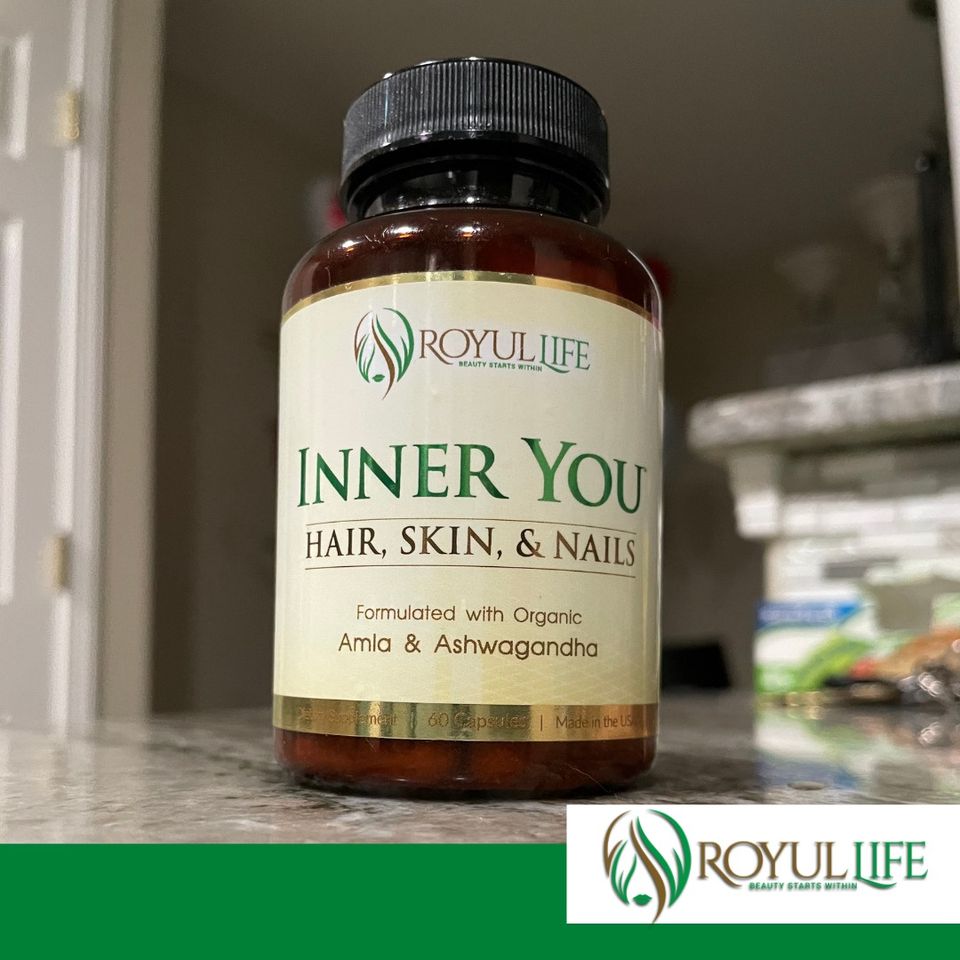
The nail care products can be found easily then these products should be selected very carefully because the nails are vulnerable to fungus, damages and cracks, and yellowing.
To prevent this type of situations avoid the nail polish however, the nail care applications that you have been using so far are non-damaging.
So we provide the best products of Organic Nail Care Products in USA.
This product usually occurs after these entities come into contact with a cracked nail or the nail as the opening provides a portal of entry for this organism.
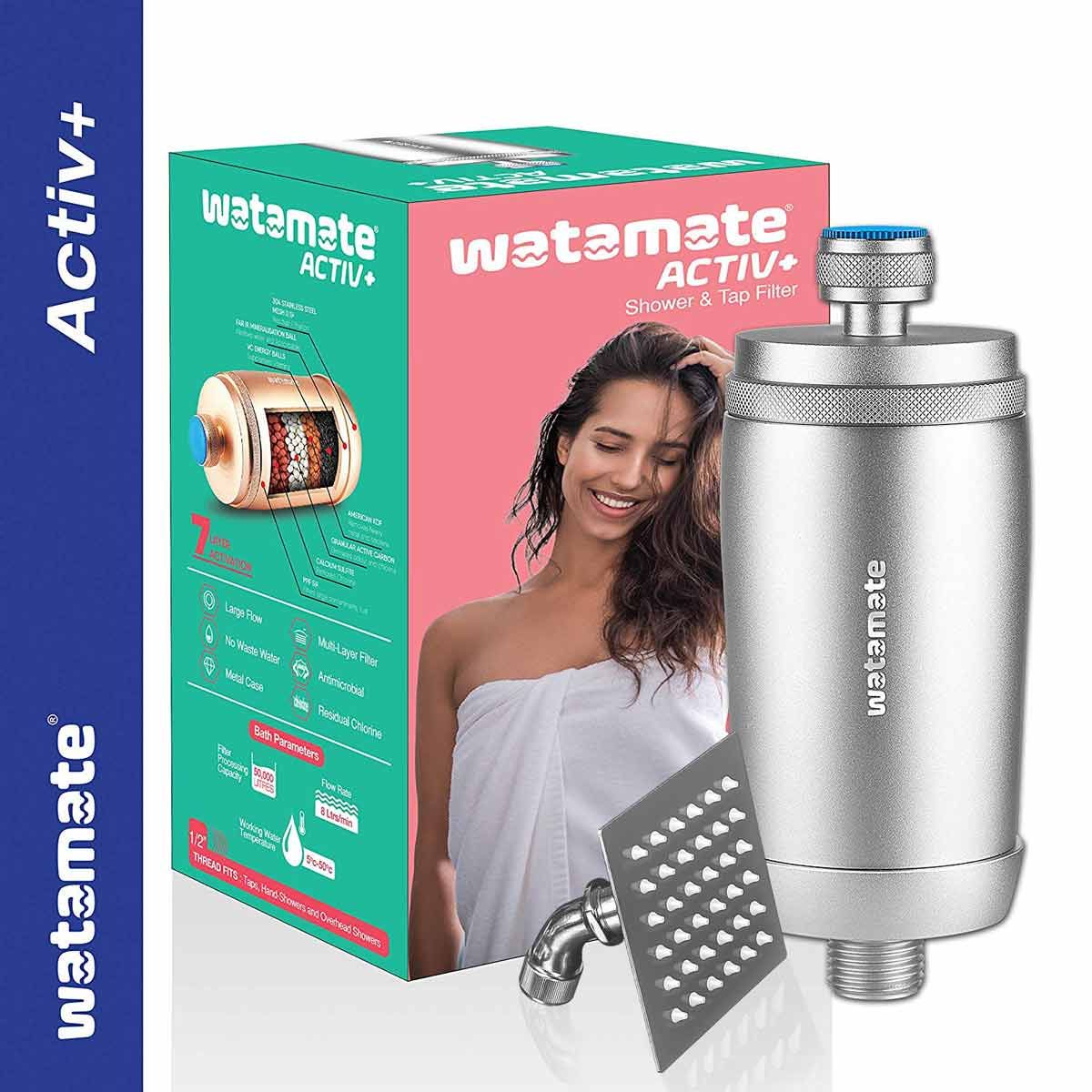
Watamate’s bath filters make your skin smooth and helps to take care of your hair.
Refresh yourself with Watamate’s bath filters.
Take care of your skin with Watamate https://www.watamate.com/products/bath-filters.html

Pavithra Lakshmi is a model and film actress, who has worked predominantly in Tamil and Malayalam movie industries, TV shows.In IBC Mangai, she gave an interview about Skin Care and Hair Care.