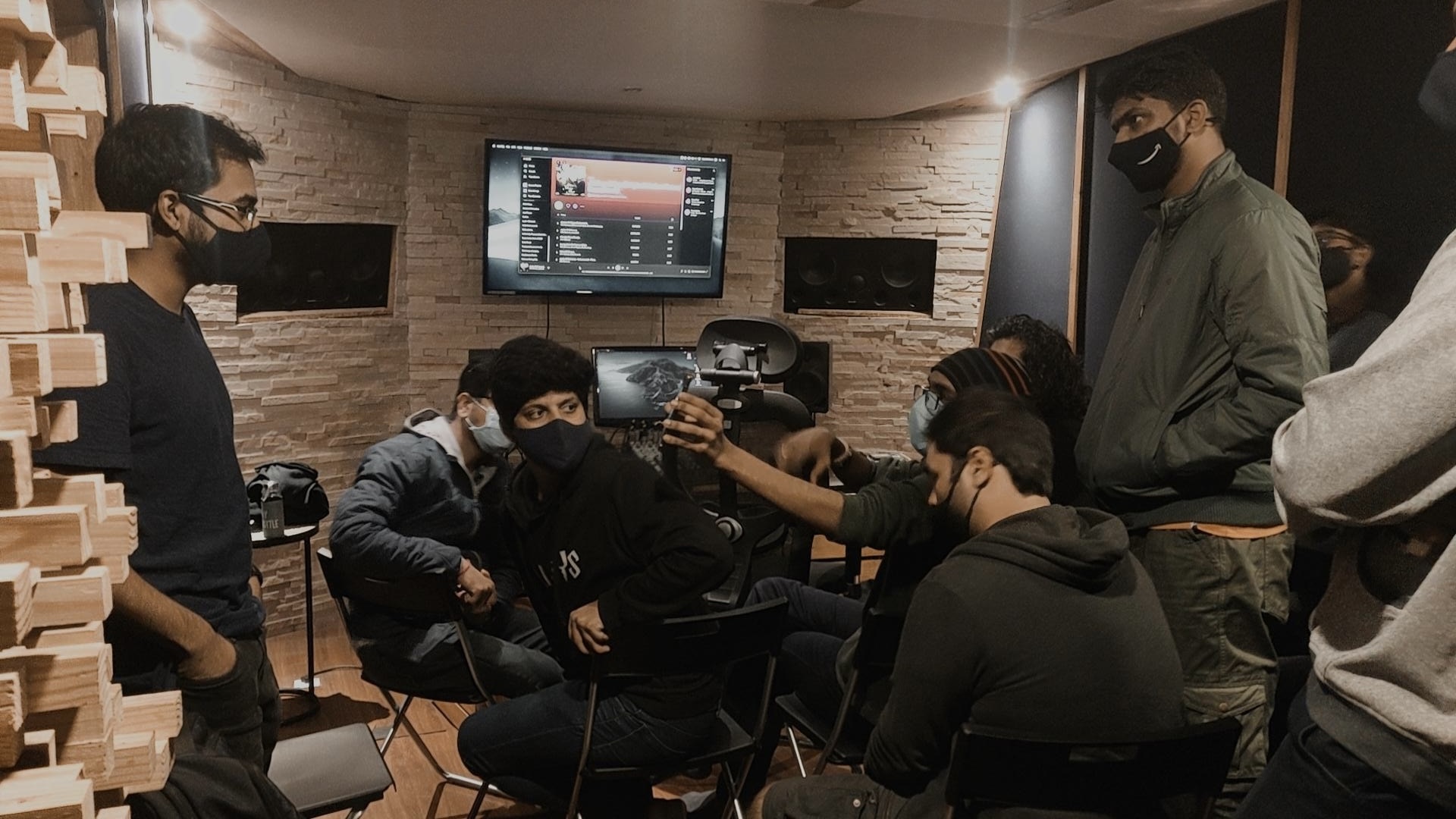
Sound engineering is a dynamic field that combines creativity and technology to produce high-quality audio for music, movies, games, and more. Aspiring sound engineers in India often face a key decision: Should they pursue an online course or enroll in a traditional offline program? This blog explores the pros and cons of both modes of learning to help you make an informed choice. Online Sound Engineering Courses Pros: Flexibility: Online courses allow you to learn at your own pace, making them ideal for students or professionals with busy schedules. Accessibility: You can access course materials and lectures from anywhere, eliminating the need to relocate or commute. Cost-Effective: Online programs are generally more affordable than offline ones, as they save on expenses like travel, accommodation, and physical resources. Diverse Options: Platforms like Coursera, Udemy, and specialized audio schools offer a wide variety of sound engineering courses, from beginner to advanced levels. Self-Paced Learning: Recorded sessions and downloadable resources allow students to revisit lessons and learn at their convenience. Cons: Lack of Hands-On Training: Sound engineering heavily relies on practical experience, which can be challenging to gain through online-only programs. Limited Interaction: The absence of face-to-face interactions with instructors and peers may hinder collaborative learning. Equipment Requirements: Students need access to high-quality audio equipment and software, which can be expensive and challenging to set up without guidance. Self-Discipline Required: Online learning demands a high level of motivation and discipline, which can be a hurdle for some students.
Offline Sound Engineering Courses Pros: Practical Training: Offline courses provide hands-on experience with professional-grade equipment in studios, which is crucial for mastering sound engineering techniques. Networking Opportunities: Being physically present in a learning environment enables students to build connections with instructors, industry professionals, and peers. Structured Learning: Classroom-based programs often follow a fixed schedule, ensuring consistent progress and a clear learning path. Immediate Feedback: Instructors can provide real-time guidance and feedback, enhancing the learning experience. Industry Exposure: Many offline courses include internships or live projects that give students firsthand industry experience. Cons: Higher Costs: Offline programs are typically more expensive due to tuition fees, travel, and accommodation costs. Limited Flexibility: Students must adhere to a fixed schedule, which may not be convenient for everyone. Geographical Constraints: Accessing quality sound engineering programs may require relocation to cities like Mumbai, Chennai, or Bangalore, where reputed institutions are located. Time-Consuming: Commutes and fixed class schedules can take up significant time, reducing flexibility. Choosing the Right Option The choice between online and offline sound engineering courses ultimately depends on your individual goals, resources, and circumstances. Here are some factors to consider: Career Aspirations: If you aim for a career that requires extensive hands-on training, an offline course may be better suited. Budget: Online courses can be a cost-effective way to acquire foundational knowledge. Location: If you live far from major cities, online learning may be the most accessible option. Learning Style: Choose offline if you prefer structured environments, and online if you value flexibility and self-paced learning. Conclusion Both online and offline ` have their unique advantages and challenges. For beginners looking to explore the basics, online courses offer a convenient and affordable starting point. However, for those seeking in-depth, hands-on training, offline programs provide the practical experience and industry exposure necessary for professional success. Evaluate your needs and preferences carefully to embark on the learning path that aligns with your aspirations. Get the best Sound Engineering Course in Guwahati Sound Engineering in Kohima Sound Engineering in Guwahati

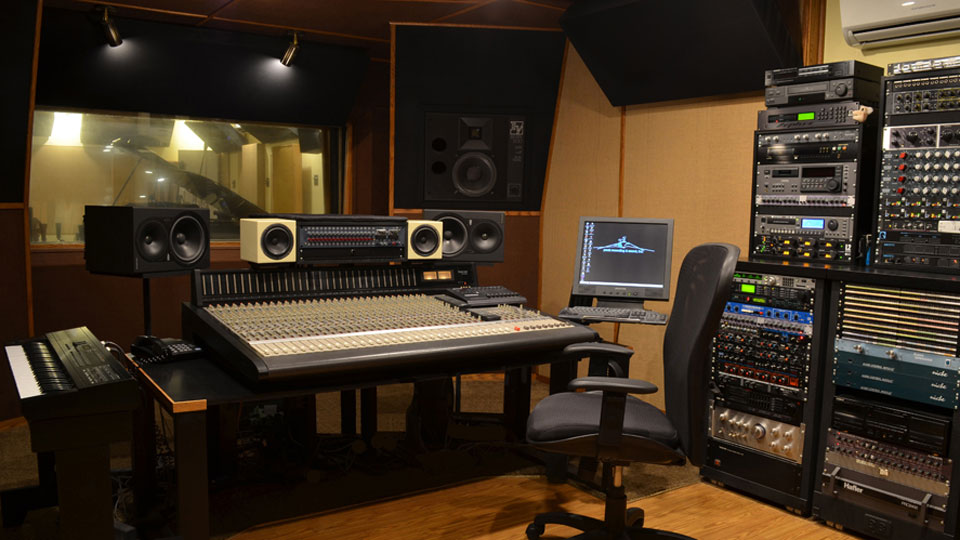
Mumbai Music Institute is one of the best sound engineering institute in India.
We provide complete knowledge of sound which one could have and It is comprised of both Live Sound and Studio Sound Engineering.
To know more, visit our website.