History and Discovery of Aluminum
Aluminum is a lightweight, malleable and ductile metal that was not widely used until the late 19th century, despite being the third most abundant element in the earth's crust. In its natural form, aluminum is combined with oxygen and other elements in minerals like bauxite. Separating the aluminum was challenging for many years due to the energy required. The discovery of Aluminum is credited to Humphry Davy, who in 1825 was the first to isolate aluminum through an electrolysis process, but the metal was extremely expensive to produce at the time. It wasn't until 1886 that the Hall–Héroult process was developed, making aluminum production commercially viable. This process involved dissolving aluminum oxide in molten cryolite before passing an electric current through to extract the aluminum. With this improved production method, aluminum quickly became used more widely in packaging, transportation and construction. However, it remained more expensive than other metals like iron or steel. After World War II, further advancements allowed for mass production and aluminum became much more affordable.
Physical and Chemical Properties
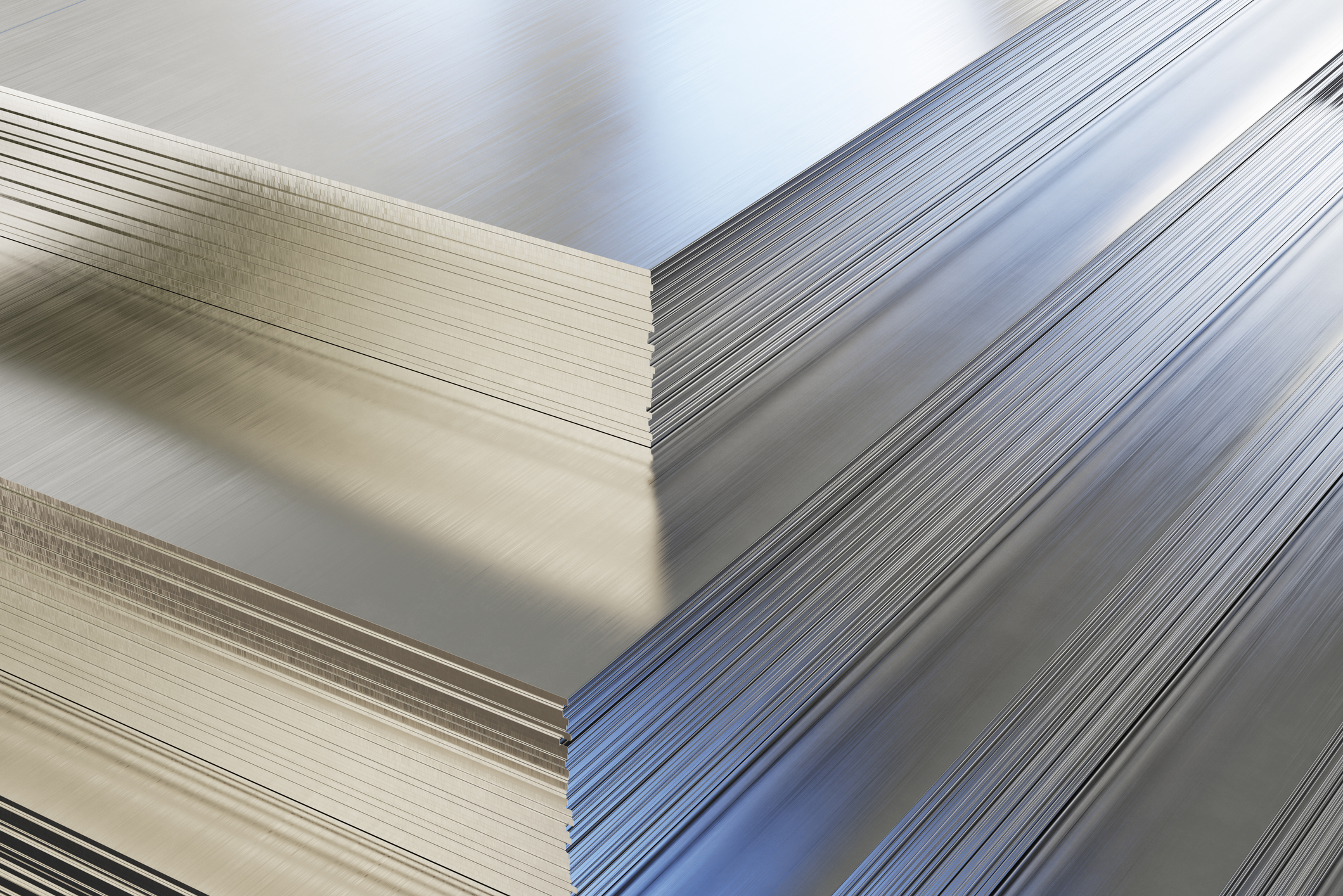
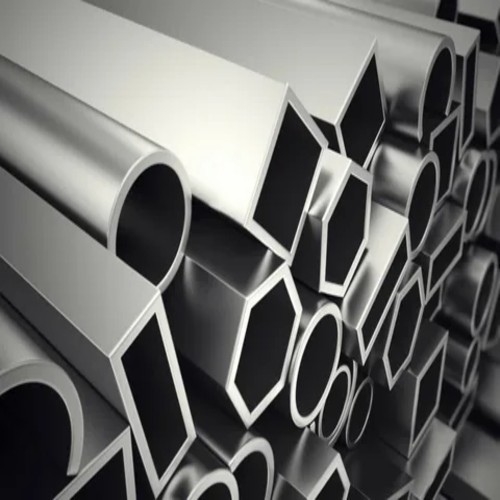
Aluminum's physical and chemical properties are what make it so versatile for a variety of applications. At 2.70 g/cm3, it is about one-third the density of steel and about two-thirds the density of copper. This lightness combined with strength has led to its prevalence in transportation industries. It is a good conductor of heat and electricity while maintaining corrosion resistance. Aluminum forms a thin protective oxide layer that prevents further oxidation, unlike other reactive metals. This makes aluminum durable for uses exposed to environmental elements. Another major attribute is aluminum's malleability, or ability to be hammered, rolled, drawn, or extruded into thin sheets and foils. It can also be cast into complex shapes. The metal maintains these properties even after being worked multiple times without annealing.
Aluminum in Transportation
One of the primary uses of aluminum is in the transportation sector due to its high strength-to-weight ratio. Planes, cars, trucks and trains have increasingly turned to aluminum alloys to reduce vehicle weight and boost fuel efficiency. Aerospace is a leader in aluminum adoption due to the material's ability to withstand stresses of flight while shaving pounds off payloads. Up to 70% of aircraft compositions are now aluminum alloys. Everything from fuselages and wings to engine nacelles benefit from aluminum's lightness. Over the last few decades, the auto industry has made major advances using aluminum closures, suspensions and powertrain components. Newer luxury and sports vehicles are composed of 25-35% aluminum content. The metal also sees growing use in commercial trucks to allow for increased hauling capacity within fixed weight limits. In passenger trains, around 60% of compositions involve aluminum for reduced energy needs during acceleration. Freight rail adopts aluminum for certain car bodies, drawbars and other critical linkages. With fuel costs top of mind, transport industries will continue utilizing more innovative aluminum applications.
Aluminum in Other Sectors
Beyond transportation, aluminum finds widespread adoption across building and construction, consumer packaging and electrical sectors due to its properties. Common structural applications include window frames, siding, roofing and door components seeking corrosion resistance and reduced weight. As the second most used metal behind steel, aluminum creates infinitely recyclable packaging for foods, beverages and other consumer goods. Its malleability allows forms varying from foil to beverage cans. As sustainability increases in focus, aluminum packaging draws popularity for high recycling rates over alternatives. In electrical uses, aluminum conducts electricity even better than copper per unit weight. It sees heavy deployment as overhead power lines, ground wires and other conductor applications where current carrying capacity and weight savings prove important. Data and communication cables also integrate aluminum alloys.
Aluminum in the Future
With production becoming more sustainable through innovation and renewable energy sources, aluminum's role is projected to grow across industries seeking lightweight materials. Applications in consumer electronics may expand through new alloys tailored for conductivity needs. 3D printing techniques equally push to evolve aluminum possibilities. As electric vehicles emerge, automakers will likely outfit more chassis components, battery casings and other parts with strategic aluminum placements. The metal gives potential to significantly extend EV ranges. And with sustainability crucial for a low-carbon economy, aluminum gets attention as the most recycled material by mass worldwide. Its endless recyclability renders bright prospects for aluminum to remain a premier industrial metal.
About Author:
Priya Pandey is a dynamic and passionate editor with over three years of expertise in content editing and proofreading. Holding a bachelor's degree in biotechnology, Priya has a knack for making the content engaging. Her diverse portfolio includes editing documents across different industries, including food and beverages, information and technology, healthcare, chemical and materials, etc. Priya's meticulous attention to detail and commitment to excellence make her an invaluable asset in the world of content creation and refinement. (LinkedIn- https://www.linkedin.com/in/priya-pandey-8417a8173/)