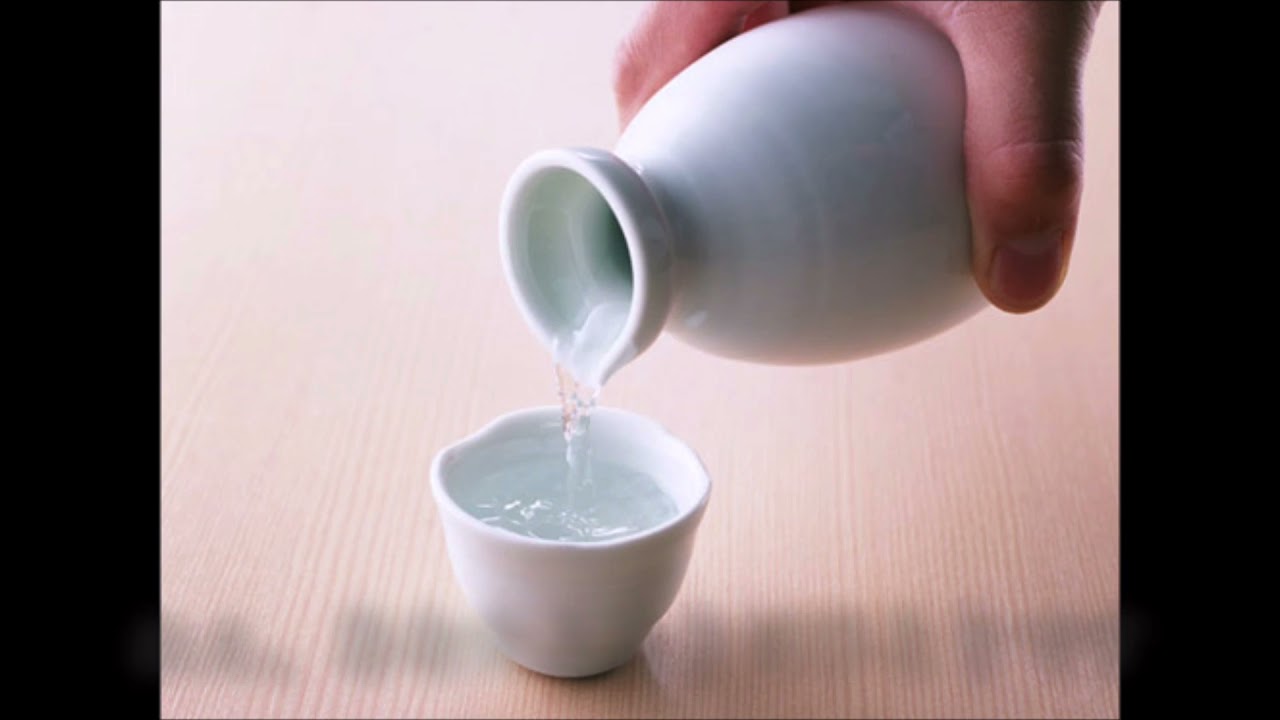
Origins of Baijiu
Baijiu has a long history dating back over 2,000 years in China. The first written records of baijiu date back to the Eastern Han Dynasty between 25-220 AD. However, archaeological evidence suggests distilled spirits existed in China as early as the late Shang Dynasty around 1200 BC. During the Han Dynasty, ancient Chinese doctors prescribed baijiu for its perceived medicinal benefits. Over subsequent dynastic periods, improvements to baijiu production techniques emerged, such as the development of yeasts and the pot still for distillation. By the Tang Dynasty between 618-907 AD, baijiu had become a widely popular beverage among the general public.
Production Methods
Traditional Baijiu is produced through solid-state fermentation and distillation methods. Wheat, sorghum or rice are used as the primary starch source and fermented with yeast and other microorganisms. The starch is first mixed with water and yellow koji mold to break it down into fermentable sugars. This mash then undergoes a natural fermentation process lasting 30-90 days as various microbes metabolize the sugars into alcohol. Once fully fermented, the mash is distilled through large pot stills traditionally made of ceramic. This process separates the aromatic alcohols and esters from the water, resulting in the characteristic strong aroma and taste of baijiu.
Regional Varieties
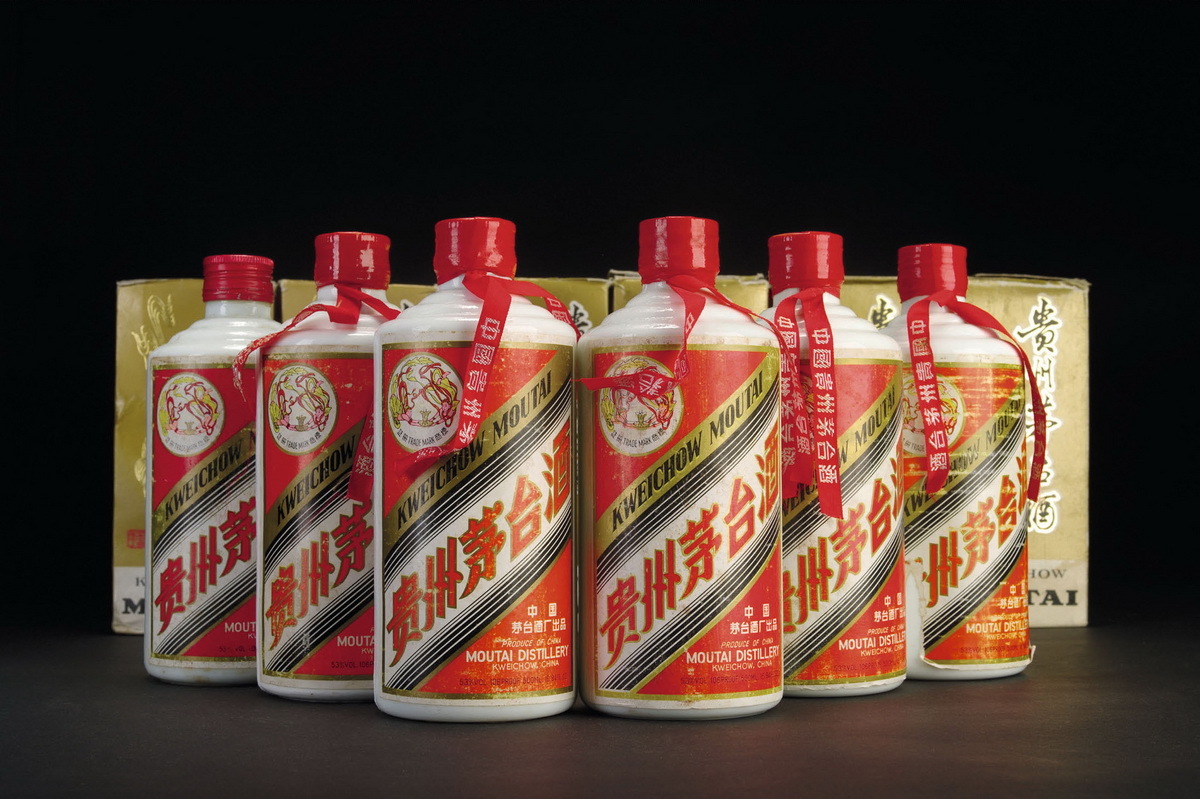
There are several prominent varieties of baijiu within China distinguished by their place of origin and production method. Maotai baijiu from Guizhou province is arguably the most famous and prestigious variety. It is produced from sorghum using techniques with over 300 years of history. Another well-known style is Wuliangye baijiu also from Sichuan, which utilizes both sorghum and wheat. Fenjiu rice baijiu hails from Shanxi province in northern China. Luzhou liquor from Sichuan employs both glutinous and non-glutinous rice. Each regional variety possesses its own distinct aroma profile influenced by local climate, water sources and microbial cultures.
Alcohol Content and Aroma
With an alcoholic strength ranging usually from 35-60% ABV, baijiu is certainly not for the faint of heart. Most premium brand baijius will fall into the 45-55% ABV range. The high alcohol content serves to preserve and carry the complex esters and fusel alcohols that provide baijiu its characteristic aroma. Common aromatic descriptors for baijiu include fragrant rice, yellow rice wine, burnt toffee, herbs, flowers, and hints of anise or mint. However, the massive variety of regional styles means two baijiu expressions can seem nearly opposite in nose and taste. Part of the intrigue and enjoyment is exploring this diversity within the category.
Culinary Uses
Besides enjoying baijiu straight, the spirit is commonly consumed as a accompaniment to Chinese cuisine or used in several dishes. It is most famously paired with hot pot to add aroma and flavors to the simmering broth. Baijius lower in alcohol are also popularly added to braised and simmered meat dishes during cooking to impart complexity. Rice baijius in particular blend seamlessly into savory rice porridges. In banquet settings, premium baijiu acts as an appetizer to stimulate appetite when served neat before a meal. On special occasions like weddings and festivals, higher quality baijiu serves as an honoured gift to raise toasts among family and friends.
National Spirit Status
Baijiu rightly deserves the designation as China's national liquor. It far outsells any other spirit within the country by volume due largely to its cultural prominence at social functions and holiday celebrations. The liquor category accounts for over 30% of total alcohol consumption in China and is enjoyed across all demographics. Major baijiu brands like Kweichow Moutai and Wuliangye have grown to multinational corporations valued at tens of billions of dollars. Furthermore, baijiu has become an internationally recognized symbol of Chinese culture and hospitality as the nation's economic power grows around the world. For both locals and visitors alike, experiencing baijiu defines any comprehensive exploration of Chinese culture, cuisine and business rituals.
About Author:
Priya Pandey is a dynamic and passionate editor with over three years of expertise in content editing and proofreading. Holding a bachelor's degree in biotechnology, Priya has a knack for making the content engaging. Her diverse portfolio includes editing documents across different industries, including food and beverages, information and technology, healthcare, chemical and materials, etc. Priya's meticulous attention to detail and commitment to excellence make her an invaluable asset in the world of content creation and refinement. (LinkedIn- https://www.linkedin.com/in/priya-pandey-8417a8173/)


Get a deeper understanding of how China’s belt and road in Caribbean are impacting the relationship between both countries.
Right from the beginning, China’s interference in the Caribbean countries has benefited both the countries in some ways, and quite a few times the relation has turned sour too.
Now, keep an eye and complete knowledge on the issue with China Caribbean Observatory.
Here, we keep an eye on all the latest developments in the relations and get you an analyzed report on the relations between both the states.
We dissect Chinese engagement with the Caribbean countries along with sectoral, bilateral, and multilateral lines.