



The chances of being audited by the IRS are low. In 2021, out of more than 160 million tax returns filed, only about 0.4% were audited. This means roughly 4 out of every 1,000 tax returns faced an audit. Even though the likelihood is small, it’s still important to understand what an audit can mean and how to handle it if it happens to you.
The IRS can choose anyone for an audit, either by chance or if they notice something unusual in your tax return. If there are mistakes on your return, whether made by accident or on purpose, you could face penalties during an audit. These penalties might include fines and, in some severe cases, even criminal charges. Fortunately, by learning how the IRS conducts audits and what triggers them, you can be better prepared and avoid IRS penalties if you ever find yourself in this situation.
Common IRS Penalties to Be Aware Of
The IRS, the agency in charge of taxes in the United States, can impose several penalties on people who don't follow the tax rules. These penalties usually happen when someone intentionally reports incorrect information on their tax return, fails to pay taxes they owe, files their tax return after the deadline, or doesn't follow other tax-related rules. Understanding these penalties is essential to avoid surprises when it comes to taxes.
1. Accuracy-Related Penalty
If you change the amount on your tax return and owe more taxes, the IRS might charge you a penalty for that extra amount. This penalty can range from 20% to 40% of the additional tax you owe. The penalties the IRS can impose for questioning whether a tax return is accurate can vary based on several factors. These factors include significant errors in reporting income, major differences in reported values, issues with setting prices between related businesses, carelessness, or ignoring the existing rules and guidelines.
2. Failure to Pay Penalty
If you don’t pay your overdue taxes by the deadline, whether because you made a late payment or have a new tax bill, you’ll have to pay a penalty of 0.5 percent on the amount you owe each month. This penalty continues to add up for a maximum of 50 months, but it won’t cover 25 percent of your debt.
3. Failure to fine penalties
You could be fined if you don’t file your tax return on time. This fine is based on the amount of tax you still owe. If your tax return is late, you’ll be charged an additional 5% of your monthly unpaid taxes. However, this fine can’t exceed 25% of what you owe.
There’s also a minimum fine of $435 if your tax return is more than 60 days late. This minimum fine applies if you owe less than or equal to what you should have reported on your return. So, filing your tax return on time is best to avoid these penalties!
4 Negligence Penalty
If taxpayers demonstrate negligence, like not disclosing all income on their tax return, they could incur extra penalties or fines.
5. Fraud Penalty
The IRS can charge a penalty for fraud if taxpayers don't report their taxes honestly. If someone tries to cheat on their taxes, the IRS can add a fine of up to 75% of the unpaid amount to what they owe. If you underreport your taxes for dishonesty, you'll pay more than the original amount owed.
Working with a Specialist
If you receive an official notice or get audited by the IRS, taking action quickly is essential. Ignoring the situation can turn a minor problem into a more significant financial headache. Don’t let unexpected tax issues catch you off guard—prepare for the worst by teaming up with someone who knows what they’re doing. An IRS tax expert can help guide you through the process and minimize potential penalties.

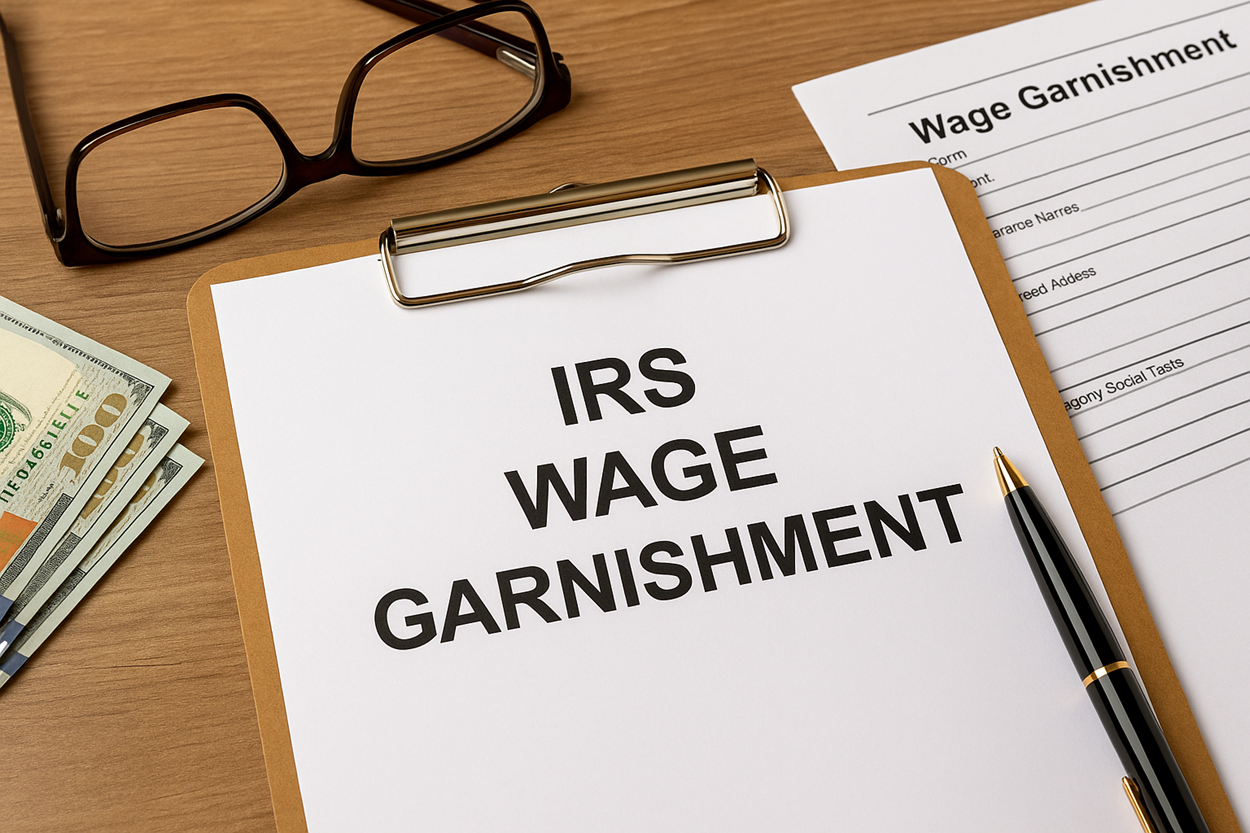

There are lots of IRS tax penalties available for different situations that arise.
In case you forget to file your tax return, there’s a tax penalty for that.
If you fail to pay the tax due, there's a tax penalty for that.
In case the tax return you file isn't correct, there's a tax penalty for that.
If you get a mistake for your tax return that ends in owing more tax, the IRS will charge you a late payment penalty on the amount still outstanding.
If you need help finding out whether there are methods to reduce or remove penalties, Kreig Mitchell LLC can help.


Get IRS tax Advisor, tax help,Tax resolution problems, IRS tax relief, audit representation and tax problem resolution.
We represents you before the IRS.