

Understanding Metal Scrap: An In-Depth Exploration
Metal scrap, a vital component of the recycling industry, plays a crucial role in both economic and environmental landscapes. As industries expand globally, the demand for metal scrap rises, making it imperative for stakeholders to understand its types, recycling processes, and the broader impact on the economy and environment. This comprehensive guide aims to shed light on the various facets of metal scrap, ensuring that both novice and seasoned stakeholders can navigate the complexities of this dynamic field.
The Various Types of Metal Scrap
Metal scrap is broadly categorized into ferrous and non-ferrous metals. Ferrous metals, such as iron and steel, contain iron and are magnetic. These are commonly used in construction and manufacturing industries due to their strength and durability. Non-ferrous metals, including aluminum, copper, and brass, do not contain iron and are resistant to corrosion, making them ideal for a wide range of applications in sectors like automotive and electronics. Understanding the differences between these types is crucial for effective recycling and utilization.
The Recycling Process of Metal Scrap
The recycling of metal scrap involves several stages, each contributing to the efficient recovery and reuse of valuable materials. The process begins with the collection and sorting of scrap metal, followed by processing, which includes shredding and melting. The molten metal is then purified and solidified into new shapes, ready for manufacturing use. This process not only conserves natural resources but also reduces energy consumption compared to producing new metals from ore.
Economic Importance of Metal Scrap
Metal scrap recycling significantly contributes to the economy by providing raw materials for various industries at a lower cost compared to virgin materials. This not only reduces production expenses but also lessens the dependency on mining, which is both capital and labor-intensive. Moreover, the recycling industry creates numerous jobs, from collection and processing to sales and distribution, thereby supporting economic growth and stability.
Environmental Benefits of Metal Scrap Recycling
Recycling metal scrap is pivotal in reducing environmental impact. It conserves natural resources by decreasing the need for new metal extraction, which often involves environmentally damaging practices. Additionally, recycling reduces energy consumption and greenhouse gas emissions, contributing to a more sustainable and eco-friendly industrial process. By minimizing waste and promoting resource efficiency, metal scrap recycling plays a critical role in environmental conservation.
Alloy Scrap Prices: A Key Factor in Market Dynamics
Alloy scrap prices are a significant factor influencing profitability, long-term sustainability, and decision-making for metallic dealers. Understanding rate fluctuations and market trends is essential to remaining competitive, whether dealing with scrap steel or Alloy 20 scrap. As an ISO-licensed chief in the discipline of ferrous and non-ferrous alloys, Vardhman Ferro Alloys specializes in top-quality alloys and scrap metal steel, helping sellers navigate the complexities of the scrap steel market.
What Is Alloy Scrap and Why Does It Matter?
Alloy scrap refers to metal that consists of alloys—combinations of metals with different factors to enhance specific features like energy and resistance to corrosion. Alloy 20 scrap, for instance, consists of nickel, chromium, and iron, making it particularly valuable for industries requiring superior acid and corrosion resistance. Understanding the properties and applications of various alloy scraps is crucial for making informed decisions in the scrap metal industry.
Understanding Alloy Scrap and Its Market Impact
As global industries grow, so does the demand for scrap metal steel. Metal dealers must stay on top of the evolving scrap metal prices, as they significantly impact buying and selling strategies. Some of the common alloys and their applications in the industry are being presented below:
Alloy TypeCompositionPrimary Industry UseApplicationsAlloy 20 ScrapNickel, Chromium, IronChemical, Food ProcessingPumps, Valves, Heat ExchangersStainless SteelChromium, Nickel, IronConstruction, Automotive, AerospaceStructural Parts, ToolsAluminum ScrapAluminum, Copper, IronAutomotive, Packaging, ElectronicsCar Parts, Packaging, ElectricalCopper ScrapCopper, Zinc, TinElectrical, PlumbingWires, Pipes, Electrical ComponentsThe Importance of Alloy Scrap Prices
The prices of alloy scrap are influenced by several factors, including:
- Raw material prices: Metals like nickel and copper vary in rate, directly impacting scrap values.
- Global demand: Industries like automobiles, aerospace, and production depend upon alloy scrap.
- Recycling procedures: High-grade recycling techniques can affect scrap metal prices.
By knowing these elements, steel dealers can make informed choices and maintain profitability, regardless of market shifts. Understanding these dynamics is crucial for effective market participation and strategic planning.
How Fluctuating Scrap Metal Prices Affect Metal Dealers
Impact on Profit Margins and Purchasing Decisions
When scrap metal steel prices rise, steel sellers see better resale values for materials like Alloy 20 Scrap. This is a massive opportunity to maximize earnings margins. As the global demand for alloys like stainless steel and nickel-based alloys increases, sellers can capitalize on growing expenses to solidify higher returns.
Dealers need to also track the wider market conditions. For example, during periods of business growth or economic recovery, the demand for materials like scrap metal will grow, pushing prices higher. Staying informed about market trends and economic indicators is essential for making strategic decisions.
Falling Prices—Navigating the Challenges
On the other hand, merchants confront a challenging scenario when scrap metal prices drop. A lower demand or an oversupply of materials may push costs down, resulting in lower resale prices and slimmer profit margins. During economic slowdowns, the demand for certain alloys might also drop, which can immediately impact pricing.
Dealers need to adapt to the changes by employing adjusted purchasing strategies and minimizing risks associated with lower prices. Developing flexible strategies and maintaining strong relationships with suppliers and customers can help mitigate these challenges.
The Role of Global Demand and Supply
Growing Industry Demand
The demand for alloy scrap is closely linked to the performance of key industries. For instance, aerospace and automotive industries depend heavily on high-quality alloys like Alloy 20 Scrap and stainless steel. As global demand in these sectors rises, so does the demand for high-grade scrap, which will increase the value of materials.
Global economic conditions also play a key role. In times of growth, industries scale up production, driving higher demand for alloy scrap. Metal dealers who monitor these trends can adapt their business strategies to optimize profitability. Understanding the interplay between global demand and supply is critical for successful participation in the scrap metal market.
Vardhman Ferro Alloys: A Trusted Partner in Alloy Scrap
Expertise and Reliability in Alloy Scrap
As a long-established ISO-certified enterprise, we have built a strong reputation for providing excellent ferrous and non-ferrous alloys. Our specialty is nickel alloys and scrap metal steel, and we provide sellers with competitive pricing as well as consistent, excellent, and expert insights into market trends.
Our years of experience in the scrap steel industry position us as a trusted authority, assisting dealers in navigating fluctuating prices and ensuring they get top-notch deals on alloy scrap. Our commitment to quality and customer satisfaction sets us apart in the industry.
Client Testimonials and Proven Success
Our dedication to the best service is reflected in our long-term relationships with clients. Many sellers trust us to provide not only scrap steel metal and Alloy 20 Scrap but also valuable market insights that help them make informed purchasing decisions.
“Partnering with Vardhman Ferro Alloys has given us a competitive edge. Their expertise in scrap metal pricing and overall quality has helped us improve our margins, even in an unstable market.” – John S., Metal Dealer
Our clients' success stories and testimonials are a testament to our unwavering commitment to excellence and customer satisfaction. We strive to build lasting partnerships based on trust and mutual benefit.
Conclusion: The Key to Success in Alloy Scrap Dealing
Understanding scrap metal prices and market dynamics is critical for metal dealers to stay ahead in a competitive market. At Vardhman Ferro Alloys, we provide the knowledge, exceptional service, and insights you need to navigate price fluctuations and ensure success within the alloy scrap industry.
Whether you are dealing with Alloy 20 scrap, scrap metal steel, or other alloys, we’re here to offer you the latest market trends and competitive pricing. Contact us today to discover how we can help your business thrive. Our expertise and commitment to quality make us the ideal partner for your alloy scrap needs.
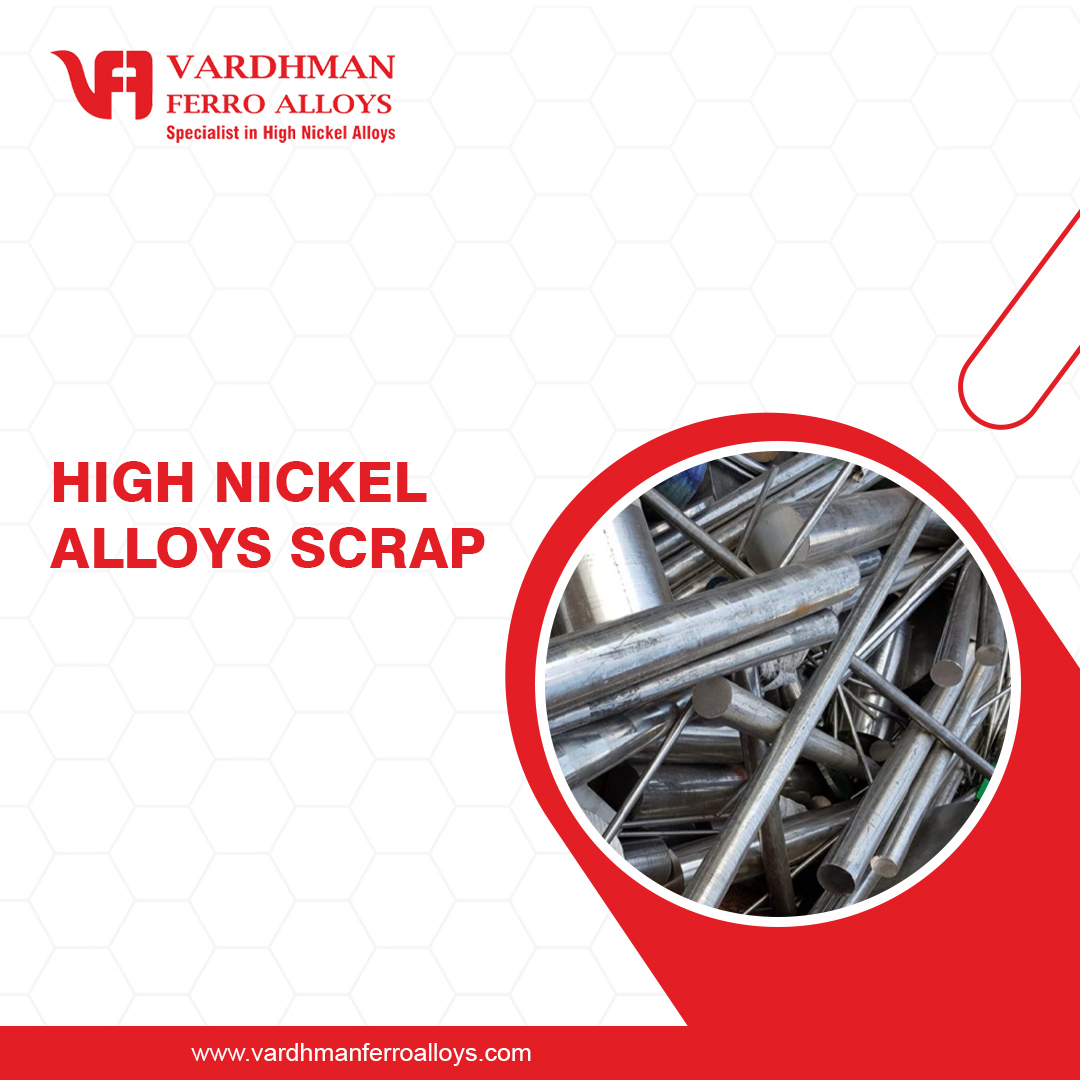
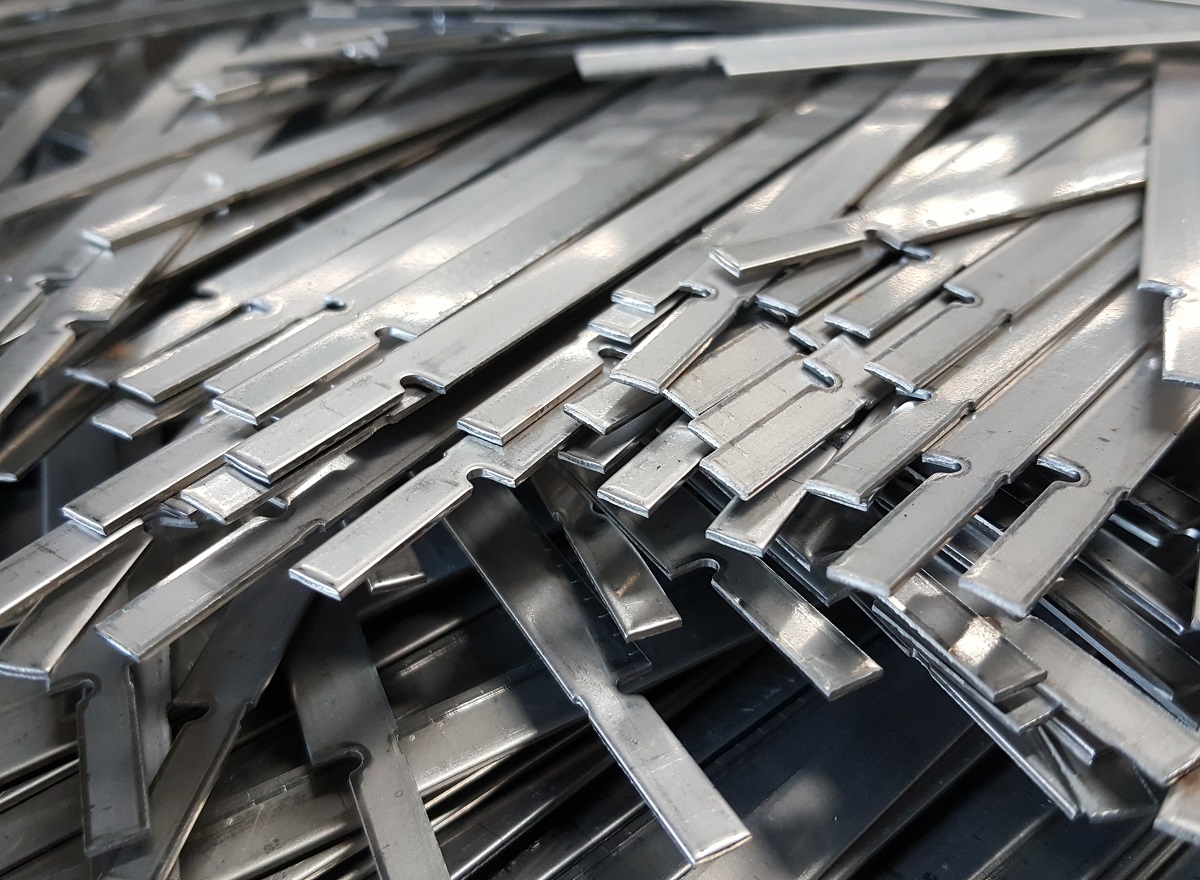
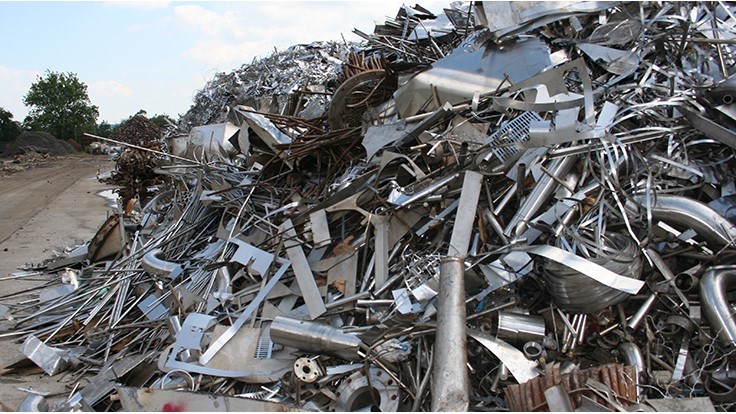
Aluminium is simple to collect and recycle, but many people discard them.
Recycling aluminium can save a significant amount of energy while also lowering carbon dioxide emission and the amount of waste that ends up in landfills.
As recycling will not transmute the element, aluminium can be recycled indefinitely and still produced.The recycling of aluminium generally produces at significant cost savings over the production of new aluminium.
Aluminium comes in different grades, and the final price of your aluminium scrap is based on its grade and quality.Benefits of Aluminium RecyclingReduce Greenhouse Gas EmissionCarbon dioxide is produced when the carbon in the graphite electrodes reacts with the oxygen in the molten alumina.
More than one ton of aluminium is produced.Reduce Waste and Mining ImpactAluminium production necessitates the extraction of bauxite ore, and mining has environmental consequences.
Typically, bauxite is strip-mined, which means that the soil at the top deposit is removed, destroying the vegetation at the site.