





In today’s fast-paced business environment, staying ahead of the competition requires not only a great product but also efficient and streamlined processes. Sales management is one area where technology has made a tremendous impact, and one of the biggest trends shaping the future is the shift to cloud-based sales management software.
The Advantages of Cloud-Based Sales Management Software
1. Scalability and Flexibility
One of the key benefits of cloud-based sales management software is its scalability. As businesses grow, their needs evolve, and so do the demands of sales teams. Cloud solutions can easily accommodate this growth without the need for expensive hardware upgrades. Companies can scale their software as required, adjusting the number of users, data storage, and features without the burden of physical infrastructure. This makes cloud-based solutions ideal for businesses of all sizes, from startups to large enterprises.
2. Access Anywhere, Anytime
With traditional sales management systems, accessing data or managing sales activities was often confined to a specific office or location. Cloud-based software eliminates this barrier. Whether in the field, at home, or on the go, sales teams can access important data from anywhere, at any time. This level of flexibility allows salespeople to stay productive, respond to customer inquiries promptly, and close deals even when they are not in the office.
3. Real-Time Data Updates
In today’s fast-paced sales environment, having access to up-to-date information is crucial. Cloud-based sales management software offers real-time updates, ensuring that all members of the sales team are working with the most current data. Whether it’s tracking a lead, managing a sales pipeline, or reviewing customer interactions, real-time data ensures accuracy and alignment across the entire team.
4. Cost-Effectiveness
Cloud-based software operates on a subscription model, which means there are no hefty upfront costs for purchasing hardware or software. This makes it much more affordable, especially for smaller businesses or startups with limited budgets. Additionally, maintenance and software updates are handled by the provider, reducing the need for dedicated IT staff. This means companies can save on both initial costs and long-term maintenance expenses.
5. Collaboration and Integration
Sales teams often work closely with other departments, such as marketing and customer service, to deliver a seamless experience to customers. Cloud-based sales management software fosters collaboration by providing a centralized platform where team members can easily share information, track progress, and work together on projects. Additionally, cloud solutions can integrate with other business tools like CRM systems, marketing platforms, and accounting software, further streamlining operations.
Security and Data Protection
Cloud-based solutions often come with robust security protocols to protect sensitive sales data. Leading cloud providers implement industry-standard encryption and security measures to safeguard against data breaches or cyberattacks. With the added benefit of automated backups, companies can rest assured knowing their data is securely stored and can be restored in case of an issue.
For businesses handling sensitive customer or financial information, cloud-based sales management software ensures that data remains secure, complying with various data protection regulations, such as GDPR.
Automation and AI Features
The future of sales management is heavily influenced by automation and artificial intelligence (AI). Cloud-based software platforms often come with integrated AI tools that can help predict customer behavior, automate lead nurturing, and suggest the best sales strategies. By automating repetitive tasks such as data entry, follow-ups, and reporting, sales teams can focus on what really matters: building relationships and closing deals.
Automation also plays a key role in enhancing customer experience by delivering personalized communications and faster responses. This gives businesses a competitive edge, as they can engage with customers more effectively and efficiently.
The Future of Sales Management with Cloud Technology
The future of sales management is closely tied to the evolution of cloud technology. As businesses continue to embrace digital transformation, cloud-based software will become increasingly important. Not only does it provide the infrastructure to support current business needs, but it also enables companies to innovate and stay ahead of industry trends.
With the rise of big data, predictive analytics, and AI-powered tools, sales teams will have access to even more powerful resources. These technologies will further enhance decision-making, improve sales forecasting, and streamline processes to ensure that businesses can adapt quickly to market changes.
Conclusion
In conclusion, cloud-based sales management software is the future of sales operations. With its scalability, flexibility, and cost-effectiveness, it offers significant advantages over traditional software solutions. Real-time data, seamless collaboration, and the potential for automation and AI make it a game-changer for businesses looking to stay competitive in today’s fast-evolving landscape. By adopting cloud-based sales management tools, companies can streamline operations, improve productivity, and ultimately boost their bottom line.



Proximo cloud-based HRM software is a user-friendly, reliable software developed by experts offering a world-class experience for your HR management and payroll services.
Call us at +91 7428824488 for more information or to schedule a FREE Demo.
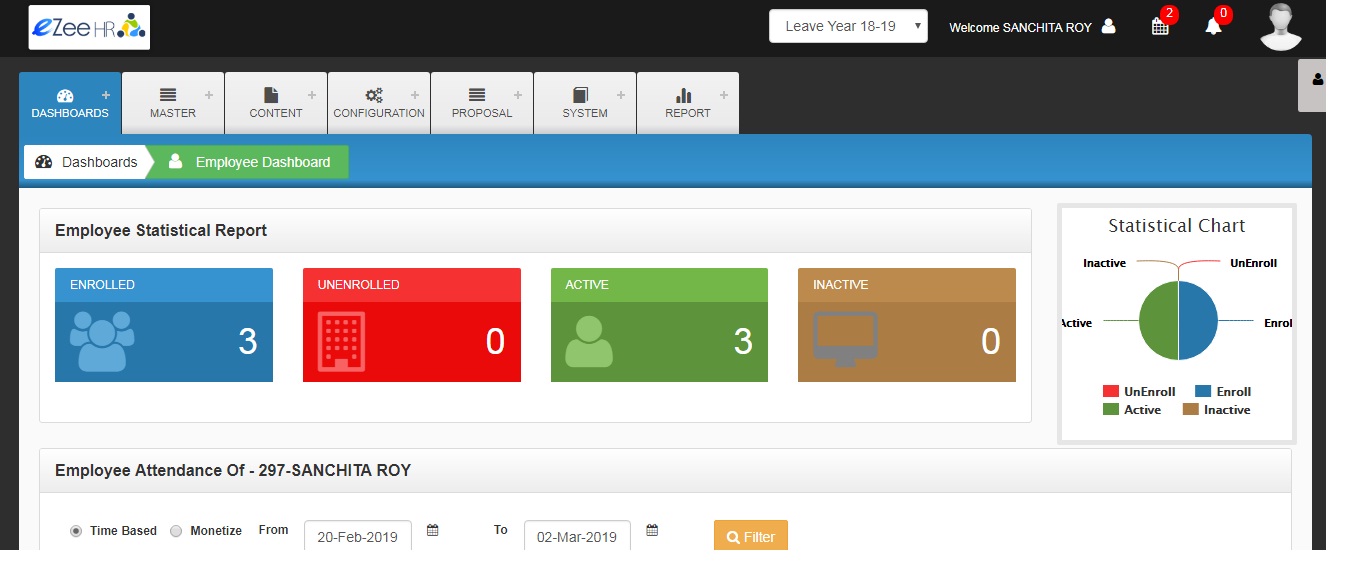
These four ways can maximize employee performance when your employees cannot visit the office or work from home.
cloud based attendance management software ,Read the full article, https://www.reddit.com/user/LuckyAardvark/comments/g8x3vn/4_ways_in_which_you_can_maximize_employee/?utm_source=share_medium=web2x