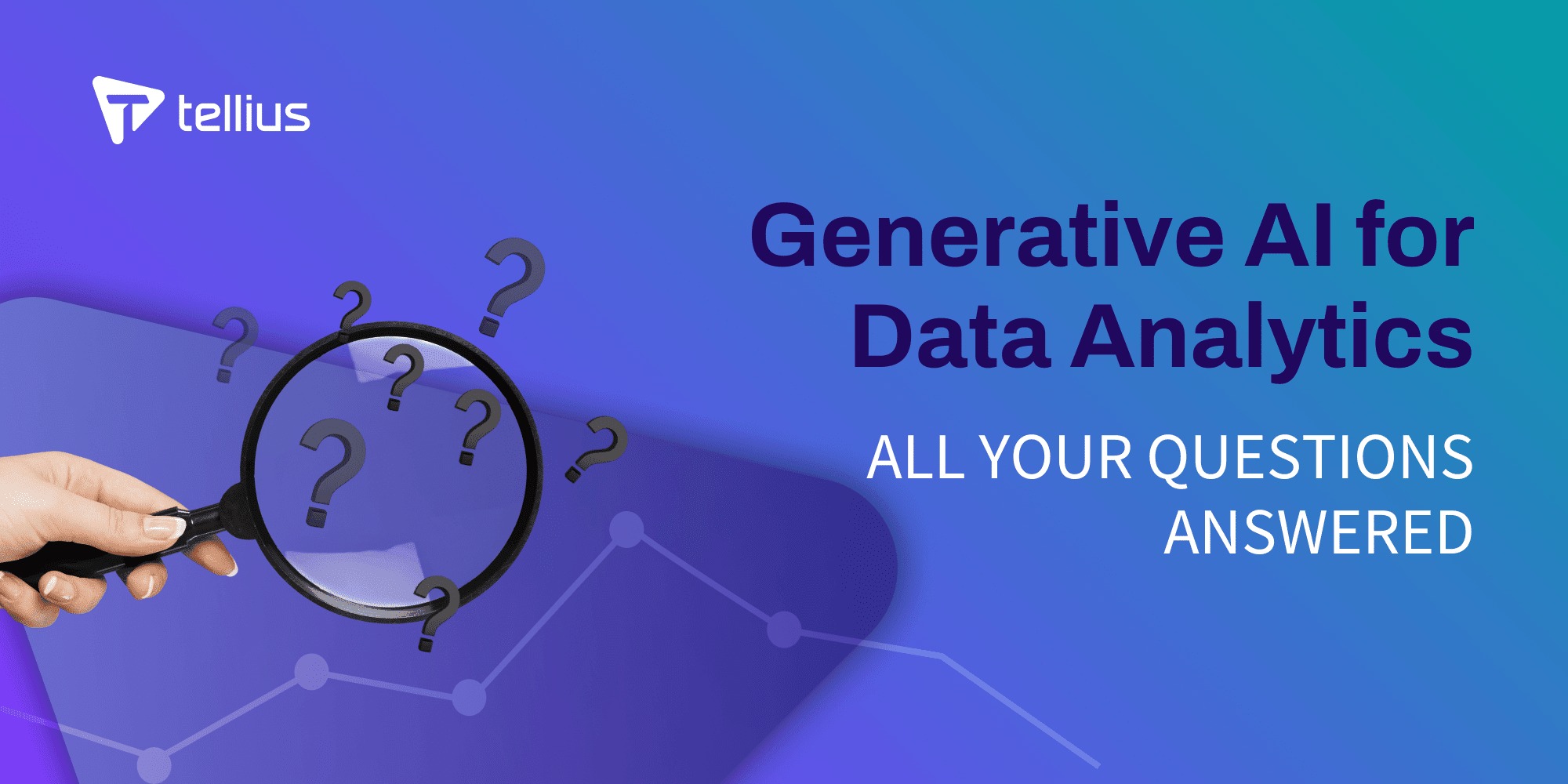


The rise of artificial intelligence (AI) has transformed various industries, and one of the most notable advancements is the application of generative AI for predictive analytics. By leveraging generative models, businesses can enhance their data-driven decisions, streamline operations, and uncover valuable insights for future planning. In this blog, we’ll explore how generative AI is revolutionizing predictive analytics, its key benefits, and how organizations can harness its power for smarter forecasting.
What is Generative AI for Predictive Analytics?
Generative AI refers to a subset of machine learning models designed to generate new content or data based on the patterns they have learned from vast datasets. Unlike traditional AI models that focus on pattern recognition or classification, generative models are capable of creating entirely new data outputs, such as text, images, or even predictive insights.
In predictive analytics, generative AI can significantly enhance forecasting accuracy by generating simulated data based on historical trends, patterns, and external factors. These models can process complex datasets, including time-series data, and provide valuable predictions for business decisions, such as sales forecasting, inventory management, and customer behavior predictions.
Key Benefits of Generative AI in Predictive Analytics
1. Enhanced Forecasting Accuracy
Generative AI is particularly useful in predictive analytics because it can work with large and diverse datasets, providing highly accurate predictions. By analyzing historical data and generating synthetic data based on it, AI models can simulate various future scenarios and help businesses anticipate market trends. Whether for financial forecasting, demand prediction, or resource planning, generative AI can improve the precision of predictions, leading to better decision-making.
2. Time and Cost Efficiency
In traditional predictive analytics, data scientists often spend considerable time cleaning, processing, and preparing data before they can even start building a model. Generative AI simplifies this process by automating many of these steps. For example, AI models can assist in data preparation by automatically identifying relevant features, removing inconsistencies, and generating metadata. This reduces the time required for data processing, allowing data teams to focus on more strategic tasks.
3. Increased Accessibility to Predictive Insights
One of the most significant advantages of generative AI is its ability to democratize data access. Traditionally, predictive analytics required specialized knowledge in data science or programming to interpret results. With generative AI, non-technical users can easily access predictive insights through user-friendly platforms. These platforms often include natural language processing capabilities, allowing users to ask questions in plain language and receive answers in the form of insights or visualizations.
4. Data Augmentation for Improved Modeling
Generative AI doesn’t just rely on existing data; it can also generate synthetic data that complements real-world datasets. This is particularly valuable in scenarios where data is scarce or incomplete. By generating synthetic data points, generative models can augment existing datasets, improving the robustness and accuracy of predictive models. This becomes particularly important in industries like healthcare or finance, where comprehensive datasets may be difficult to obtain.

Real-World Use Cases of Generative AI in Predictive Analytics
Sales Forecasting
Generative AI is increasingly being used for sales forecasting. By analyzing historical sales data, generative models can simulate different market conditions, customer behavior, and external factors that may impact sales. These insights enable businesses to plan for future demand, adjust marketing strategies, and optimize inventory levels. Predicting sales with high accuracy ensures that businesses can align their resources effectively, reduce stockouts, and maximize revenue.
Demand and Supply Chain Management
In supply chain management, predicting demand fluctuations is crucial to maintaining optimal inventory levels and avoiding both overstocking and understocking. Generative AI models can generate demand forecasts based on historical data, current market conditions, and even external influences like seasonality or global trends. This level of predictive accuracy helps businesses optimize their supply chain operations and ensure that they meet customer needs without overcommitting resources.
Risk Management
Generative AI also plays a critical role in risk management by predicting potential risks and disruptions. By generating data based on various risk scenarios, organizations can assess the likelihood and impact of different events, such as economic downturns, natural disasters, or supply chain disruptions. These insights allow businesses to develop proactive strategies to mitigate risks and ensure business continuity.
Challenges and Considerations
While the potential of generative AI for predictive analytics is enormous, there are still challenges to consider. One of the key hurdles is data privacy and security. As AI models rely on large datasets, ensuring that sensitive data is protected during the training process is paramount. Organizations must implement robust data governance practices to prevent unauthorized access and ensure compliance with regulations like GDPR.
Another challenge is the interpretability of AI-generated predictions. Since generative models are often complex and operate as "black boxes," it can be difficult to explain how they arrive at their predictions. Ensuring transparency in AI decision-making processes is crucial for building trust and fostering adoption among users.
Generative AI is revolutionizing predictive analytics by providing businesses with more accurate insights, automating data processes, and increasing accessibility to predictive tools. By leveraging these capabilities, organizations can make smarter, data-driven decisions and stay ahead of the competition. As the technology continues to evolve, its impact on various industries will only grow, making it an essential tool for the future of analytics.
With its ability to enhance forecasting accuracy, automate data workflows, and generate synthetic data for robust modeling, generative AI is paving the way for a new era of predictive analytics. Organizations that embrace this technology will be better equipped to anticipate future trends and make informed decisions for sustained growth.