Pain management devices help millions of patients cope with and reduce chronic and acute pain caused by conditions like arthritis, injuries, cancer, and other disorders. These technologies provide alternative or supplemental options to medication for controlling pain. Let's explore some of the major types of pain management devices and recent innovations in this important field.
Electrical Stimulation Devices
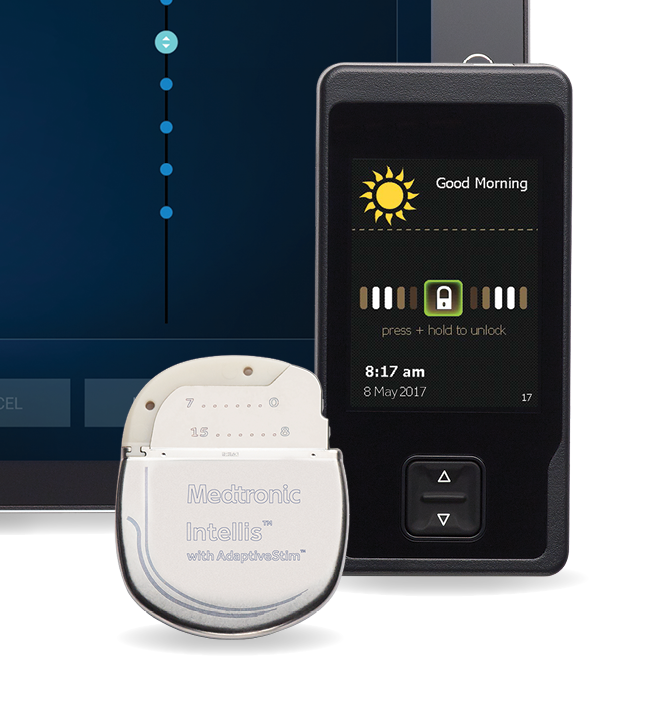
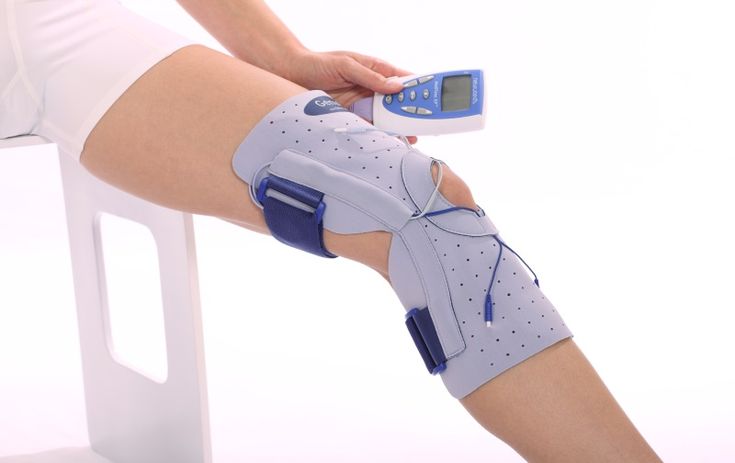
One of the most common categories of Pain Management Devices uses electrical stimulation to block pain signals from reaching the brain. Transcutaneous electrical nerve stimulation (TENS) devices deliver mild electric currents through electrodes placed on the skin near nerves. This "gates" pain signals and can help reduce discomfort from conditions affecting muscles, joints or nerves. More advanced neuromodulation devices like spinal cord stimulators (SCS) and peripheral nerve field stimulators (PNFS) deliver similar modulated electrical currents but are implanted under the skin near the spinal cord or affected peripheral nerves. SCS and PNFS devices can effectively relieve chronic back and leg pain, diabetic neuropathy, complex regional pain syndrome (CRPS), and other types of chronic neuropathic pain when medications are ineffective.
Thermal Therapy Devices
Applying heat or cold therapy to painful areas of the body is an age-old pain relief method. Modern thermal therapy devices automate and precisely control heat and cryotherapy treatment. Infrared heating pads, portable ice packs, and thermoelectric cooling patches are commonly used to relieve muscle and joint pain from injuries, arthritis, and fibromyalgia. Some innovative new thermal therapy devices use pulsed electromagnetic field (PEMF) technology to generate heat deep within tissues without external heat sources. These can deliver precisely controlled heat deep in joints or muscles to reduce pain and inflammation.
Wearable Stimulation Devices
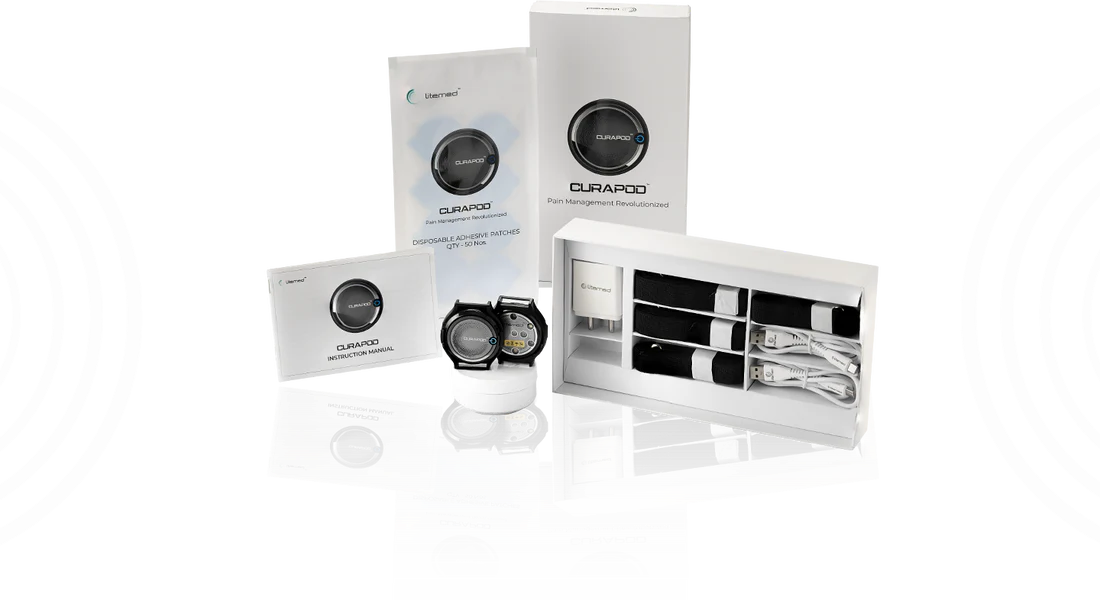
The growing field of wearable technology is bringing new on-the-go options for pain relief. Patches and garments containing arrays of electrodes can deliver TENS or other electrical or thermal stimulation directly on problem areas. This allows active pain relief during daily activities, exercise and physical therapy. Wearable vibratory stimulators that attach to wrists or fingers are also gaining popularity for arthritis pain management, helping to “crowd out” pain signals. Cutting edge neurostimulation patches employ ultrasound technology to non-invasively stimulate nerves under the skin anywhere on the body for widespread pain relief.
Laser Therapy Devices
Low-level laser therapy (LLLT) or "cold laser" therapy is approved to reduce pain, inflammation, and improve healing. Handheld laser devices deliver non-thermal laser energy at specific wavelengths that interact with cells to trigger anti-inflammatory and pain-blocking effects. Chronic conditions like osteoarthritis, tendonitis, and neuropathy typically respond well. Lasers may work by boosting mitochondrial function in cells to increase ATP (energy) production and stimulating endogenous opioid release. Multiple treatment sessions are usually needed over weeks. New higher-powered laser systems allow better penetration depth for treating deeper issues.
Biofeedback Devices
Biofeedback uses visual or auditory feedback to help patients gain conscious control over involuntary bodily processes that can worsen pain conditions. For example, muscle tension and "guarding" behaviors contribute to myofascial pain, tension headaches, and lower back pain. Electromyography (EMG) or electrodermal biofeedback devices measure muscle tension levels or autonomic arousal and provide feedback to help patients relax muscles and manage stress responses. Thermal biofeedback trains temperature control for conditions like Raynaud's phenomenon. Smartphone-based biofeedback apps are expanding access and convenience. Combined with relaxation training, biofeedback can effectively reduce chronic pain for many individuals.
Technology advancements in pain management devices are helping more patients achieve relief from chronic and acute pain conditions. Recent innovations have focused on miniaturizing technologies, portability for activity and comfort, improved wireless connectivity, expanded treatment options through new stimulation modalities, and integrating smartphone connectivity for remote care options. Multidisciplinary pain clinics incorporate medical, psychological, physical therapy and technology-based approaches uniquely tailored for each individual. The future is bright for continued development of new precise, personalized pain management solutions.
Get This Report in Japanese Language
Get This Report in Korean Language
Resource
What Are the Leading Companies in the Pain Management Devices Market?
What Are the Emerging Trends in Pain Management?
About Author:
Priya Pandey is a dynamic and passionate editor with over three years of expertise in content editing and proofreading. Holding a bachelor's degree in biotechnology, Priya has a knack for making the content engaging. Her diverse portfolio includes editing documents across different industries, including food and beverages, information and technology, healthcare, chemical and materials, etc. Priya's meticulous attention to detail and commitment to excellence make her an invaluable asset in the world of content creation and refinement.
(LinkedIn- https://www.linkedin.com/in/priya-pandey-8417a8173/)