


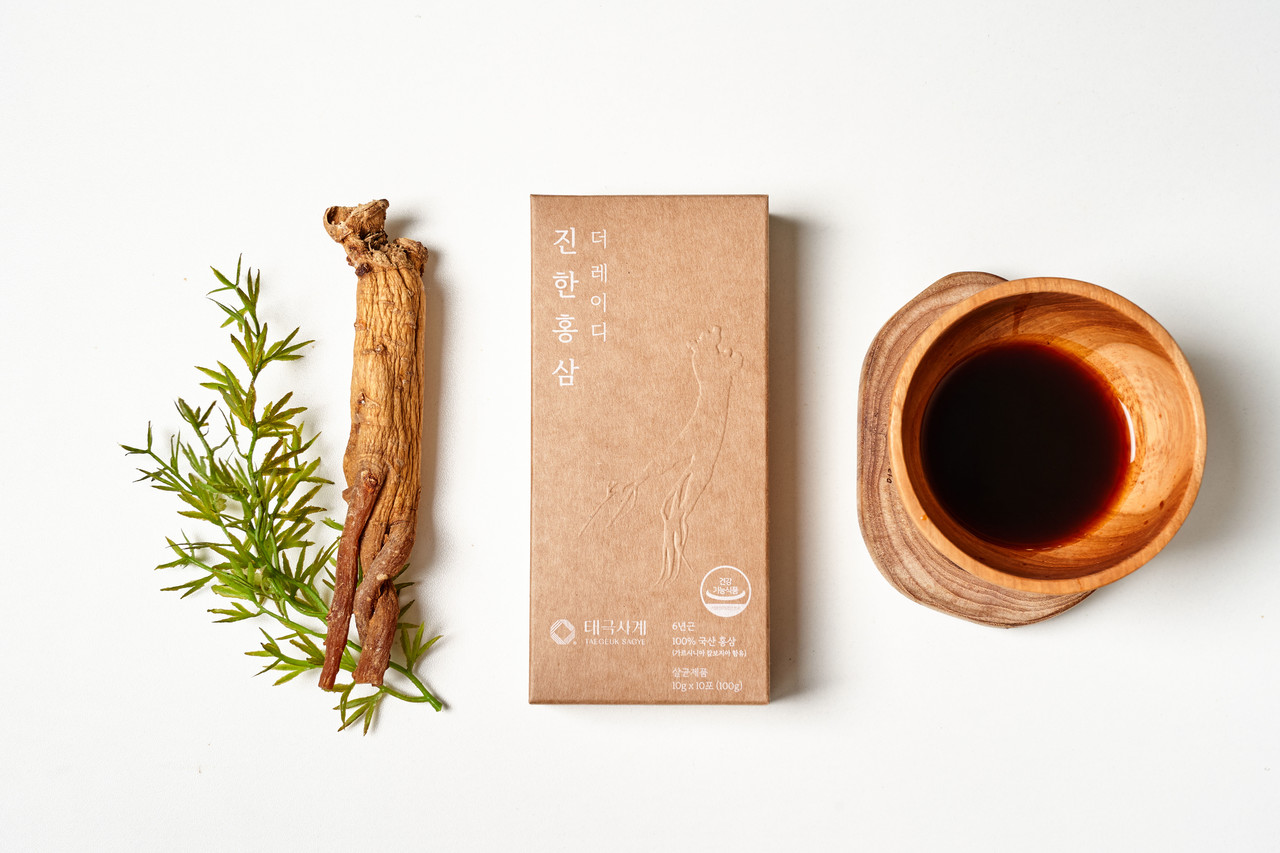
Korean ginseng, scientifically known as Panax ginseng, has been revered for centuries in traditional medicine for its wide-ranging health benefits. Among its many effects, Korean ginseng has a profound impact on the central nervous system (CNS), which includes the brain and spinal cord. The CNS is responsible for processing information and controlling most functions of the body and mind.
Korean ginseng's influence on the CNS is multifaceted, encompassing cognitive enhancement, neuroprotection, mood regulation, and stress response modulation. This article delves into the various ways Korean ginseng impacts the central nervous system, supported by both traditional use and modern scientific research.
Cognitive Enhancement
One of the most well-documented effects of Korean ginseng on the CNS is its ability to enhance cognitive function. This includes improvements in memory, attention, and overall mental clarity.
- Memory Improvement: Korean ginseng has been shown to enhance both short-term and long-term memory. Studies suggest that ginsenosides, the active compounds in ginseng, can promote neurogenesis (the formation of new neurons) and synaptic plasticity (the ability of synapses to strengthen or weaken over time), which are crucial for memory formation and retention.
- Attention and Focus: Research indicates that Korean ginseng can improve attention and focus, making it beneficial for individuals with attention deficit disorders or those experiencing cognitive fatigue. The herb's ability to enhance cerebral blood flow and oxygen delivery to the brain contributes to these cognitive benefits.
Neuroprotection
Korean ginseng offers significant neuroprotective effects, helping to safeguard the brain from various forms of damage and degeneration.
- Antioxidant Properties: The brain is particularly vulnerable to oxidative stress due to its high oxygen consumption and lipid-rich environment. Korean ginseng's potent antioxidant properties help neutralize free radicals, reducing oxidative damage to neurons and supporting overall brain health.
- Anti-Inflammatory Effects: Chronic inflammation in the brain is linked to various neurodegenerative diseases, such as Alzheimer's and Parkinson's. Korean ginseng's anti-inflammatory properties help mitigate this inflammation, potentially slowing the progression of these conditions.
- Protection Against Neurotoxins: Studies have shown that Korean ginseng can protect neurons from damage caused by neurotoxins, such as those involved in stroke or traumatic brain injury. This protective effect is partly due to the herb's ability to enhance the brain's natural defense mechanisms.
Mood Regulation
Korean ginseng has a notable impact on mood regulation, making it beneficial for individuals dealing with stress, anxiety, and depression.
- Stress Reduction: As an adaptogen, Korean ginseng helps the body adapt to stress and maintain homeostasis. It modulates the hypothalamic-pituitary-adrenal (HPA) axis, which regulates the body's stress response. By balancing cortisol levels, ginseng can reduce the negative effects of chronic stress on the CNS.
- Anxiety and Depression: Korean ginseng has been shown to have anxiolytic (anxiety-reducing) and antidepressant effects. It influences the production and activity of neurotransmitters such as serotonin, dopamine, and gamma-aminobutyric acid (GABA), which play key roles in mood regulation. By enhancing the function of these neurotransmitters, ginseng can help alleviate symptoms of anxiety and depression.
Neurogenesis and Synaptic Plasticity
Korean ginseng promotes neurogenesis and synaptic plasticity, which are essential for learning, memory, and overall brain function.
- Neurogenesis: Korean ginseng stimulates the growth of new neurons in the hippocampus, a brain region critical for memory and learning. This effect is particularly important for counteracting age-related cognitive decline and supporting recovery from brain injuries.
- Synaptic Plasticity: The herb enhances synaptic plasticity, the ability of synapses to strengthen or weaken in response to activity. This plasticity is fundamental for learning and memory, and its enhancement by ginseng can lead to improved cognitive performance.
Energy and Fatigue Reduction
Korean ginseng is well-known for its ability to boost energy levels and reduce fatigue, which can have a positive impact on CNS function.
- Enhanced Energy Metabolism: Ginseng improves mitochondrial function and energy production in brain cells, leading to increased mental energy and reduced fatigue. This is particularly beneficial for individuals experiencing cognitive fatigue or those recovering from illness.
- Reduction of Mental Fatigue: By enhancing cerebral blood flow and oxygen delivery, Korean ginseng helps reduce mental fatigue and improve overall cognitive endurance. This makes it a valuable supplement for students, professionals, and anyone needing sustained mental performance.
Practical Applications
To harness the cognitive and neuroprotective benefits of Korean ginseng, consider the following practical applications:
- Ginseng Tea: Brewing Korean ginseng root into a tea is a traditional and effective way to consume the herb. This can be particularly beneficial for mental clarity and stress reduction.
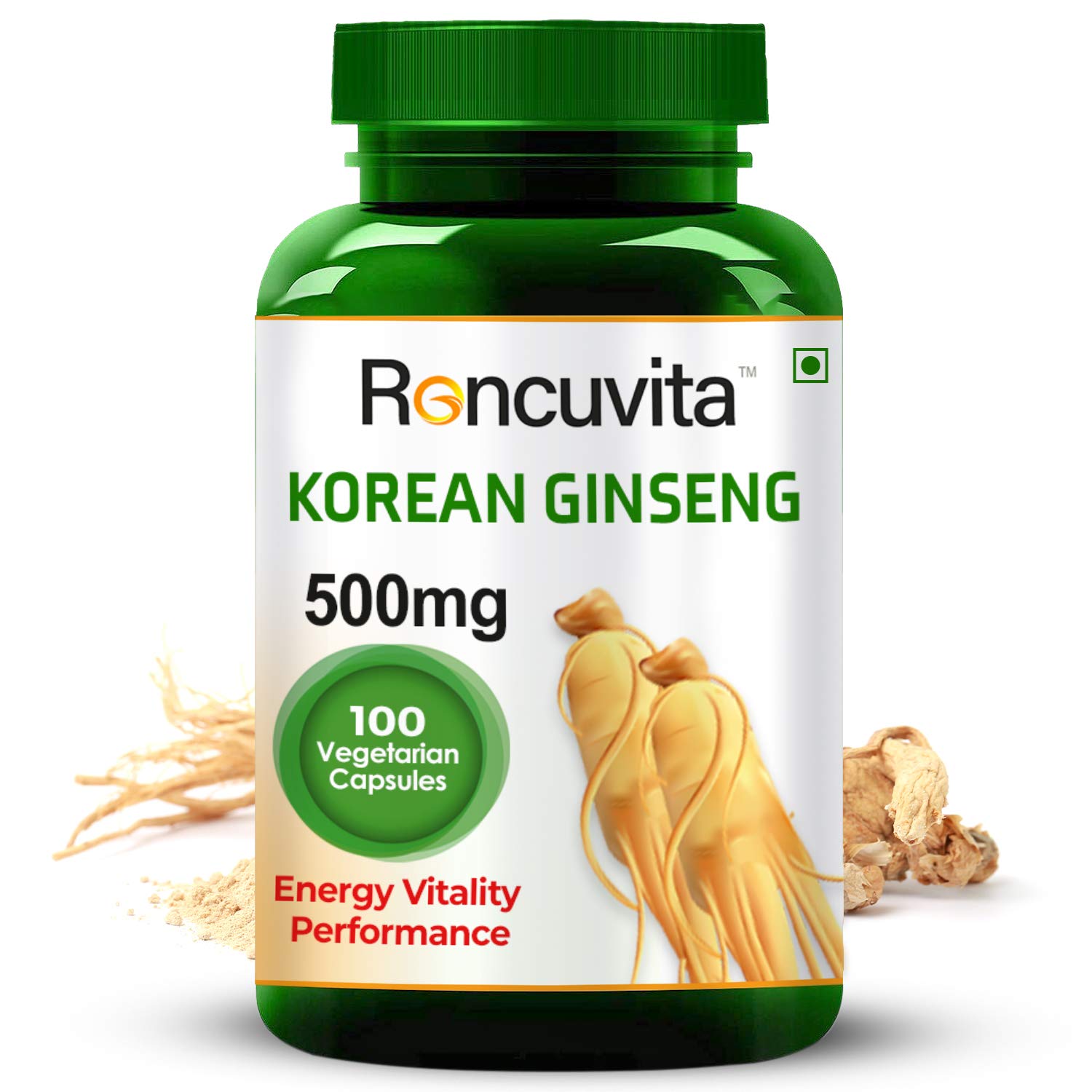
- Ginseng Extracts and Supplements: Korean ginseng is available in various forms, including capsules, tinctures, and powders. These provide a concentrated dose of ginseng's active compounds, making it easy to incorporate into your daily routine.
- Functional Foods and Beverages: Ginseng is often included in functional foods and beverages, such as energy drinks and health bars, offering a convenient way to boost cognitive function and energy levels.
Conclusion
Korean ginseng has a profound impact on the central nervous system, offering cognitive enhancement, neuroprotection, mood regulation, and energy-boosting effects. Its ability to promote neurogenesis, synaptic plasticity, and antioxidant defense makes it a powerful ally for brain health and cognitive function. Whether used to improve memory, reduce stress, or protect against neurodegenerative diseases, Korean ginseng's multifaceted benefits underscore its value as a natural remedy for supporting and enhancing CNS function.
Ginseng has likewise been presumed as a Spanish fly, and is utilized to regard sexual brokenness just as to upgrade sexual conduct in conventional Chinese clinical practices.
Information from creature studies has shown a positive connection among ginseng, charisma, and copulatory exhibitions, and these impacts have been affirmed on the off chance that control examines in human.
These activities Energy Booster are for the most part ascribed to ginsenosides, the major pharmacological dynamic parts of ginseng.
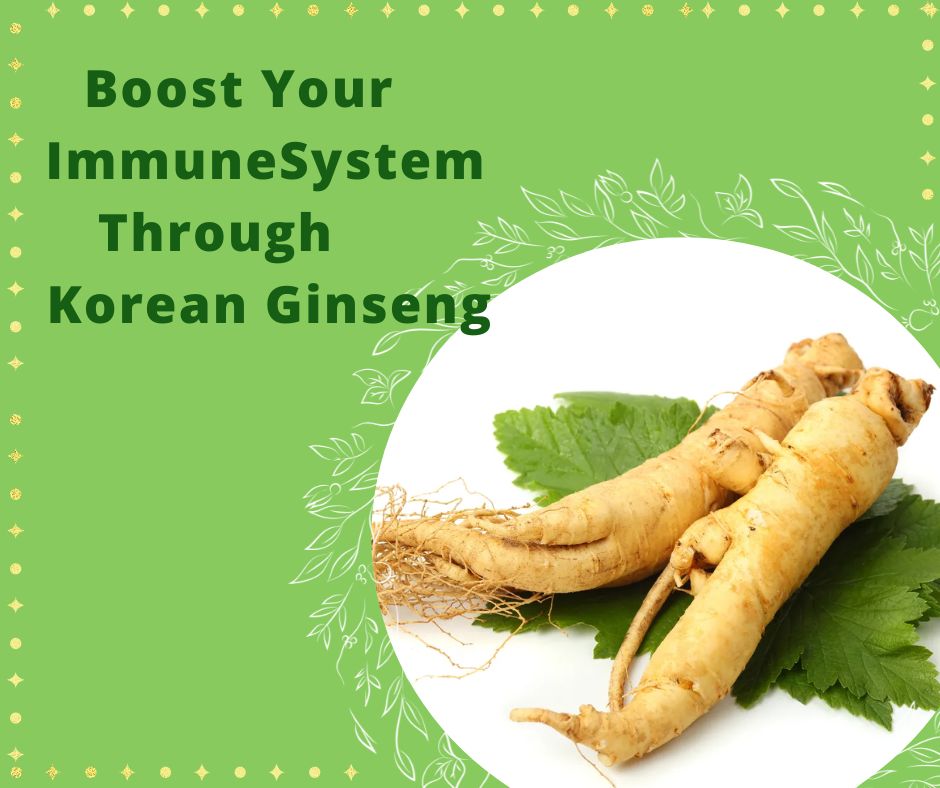
It has additionally been utilized to fortify the insusceptible framework and assist battle with offing pressure and illness.
Asian ginseng (from Chinese and Korean sources) has been utilized for hazy reasoning, diabetes, and male erectile brokenness.
American ginseng has been utilized for diabetes and for diminishing the danger of the normal cold and influenza.