


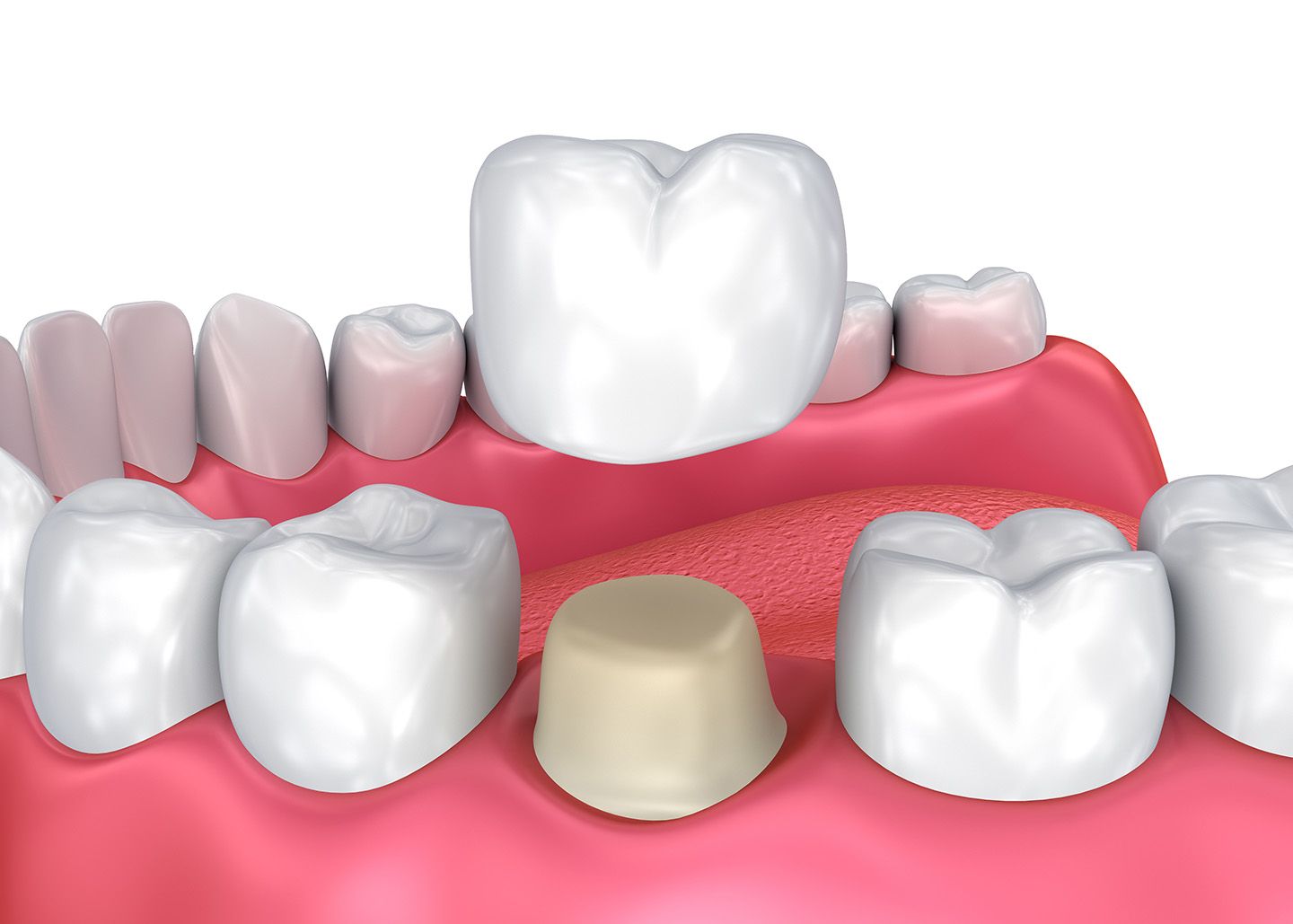
Dental health plays a crucial role in overall well-being, and when a tooth is damaged or weakened, a dental crown can be an effective solution. Dental crowns are custom-fitted caps placed over a tooth to restore its shape, strength, and appearance. Whether you're dealing with decay, fractures, or cosmetic concerns, understanding how dental crowns work can help you make an informed decision about your oral health.
What Are Dental Crowns?
A dental crown is a protective covering that encases the entire visible portion of a tooth. These crowns serve multiple purposes, including reinforcing weakened teeth, covering dental implants, restoring broken or severely worn-down teeth, and improving the appearance of misshapen or discolored teeth. Crowns are also used to anchor dental bridges and protect teeth after root canal treatment.
Types of Dental Crowns
There are various types of dental crowns, each made from different materials to suit different needs:
- Porcelain Crowns – Known for their natural appearance, porcelain crowns are a popular choice for front teeth restorations as they blend seamlessly with natural teeth.
- Metal Crowns – Made from gold, platinum, or base metal alloys, these crowns are highly durable and resistant to wear, making them ideal for molars that undergo heavy chewing.
- Porcelain-Fused-to-Metal (PFM) Crowns – These offer the strength of metal with the aesthetic benefits of porcelain, though the metal base may sometimes become visible at the gumline.
- Resin Crowns – A more affordable option, resin crowns are less durable and more prone to wear and fractures.
- Zirconia Crowns – A relatively new option, zirconia crowns provide excellent durability while maintaining a natural appearance.
The Dental Crown Procedure
Getting a dental crown typically involves multiple steps:
- Initial Consultation – Your dentist examines the affected tooth, takes X-rays, and determines whether a crown is the best option.
- Tooth Preparation – The tooth is reshaped to make space for the crown. If necessary, a filling may be used to build up the tooth structure.
- Impressions and Temporary Crown – An impression is taken to create a custom crown. Meanwhile, a temporary crown is placed to protect the tooth.
- Final Crown Placement – Once the permanent crown is ready, your dentist cements it onto the tooth, ensuring a secure and comfortable fit.
Advancements in Dental Crowns
Modern dentistry has seen significant advancements, particularly with the use of dental 3D printing. This innovative technology allows for the rapid production of highly precise and customized crowns. Instead of waiting for a lab to fabricate a crown over several days, some dental offices can now use 3D printing to create and fit a crown in a single appointment, improving both convenience and efficiency for patients.
Caring for Your Dental Crown
To ensure the longevity of your dental crown, follow these essential care tips:
- Maintain good oral hygiene by brushing twice a day and flossing regularly.
- Avoid chewing hard foods, ice, or non-food items that may cause the crown to crack or break.
- Visit your dentist regularly for check-ups and professional cleanings.
- If you experience any discomfort or sensitivity, consult your dentist for adjustments.
Conclusion
Dental crowns are an effective and long-lasting solution for restoring damaged or weakened teeth. With options available in various materials and advancements like dental 3D printing, getting a dental crown is now more efficient than ever. If you believe you may need a dental crown, consult with your dentist to explore the best options for your oral health.



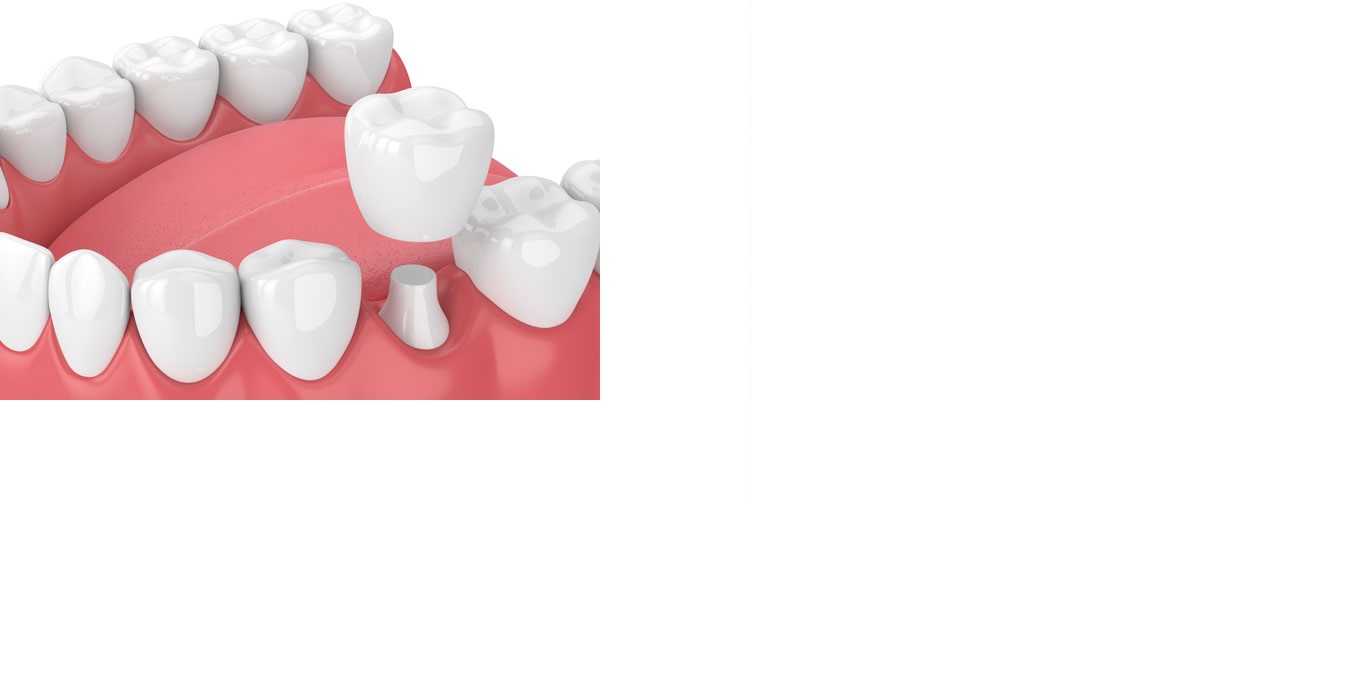
We have a team of excellent, well experienced and good practitioner doctors to deal with dental crown procedures.
Please visit our clinic at Kharghar and experience our many other dental services.For Dental Crown and Tooth Crown Please Visit: https://zellenedentalcare.com/dental-crown-and-tooth-crown/