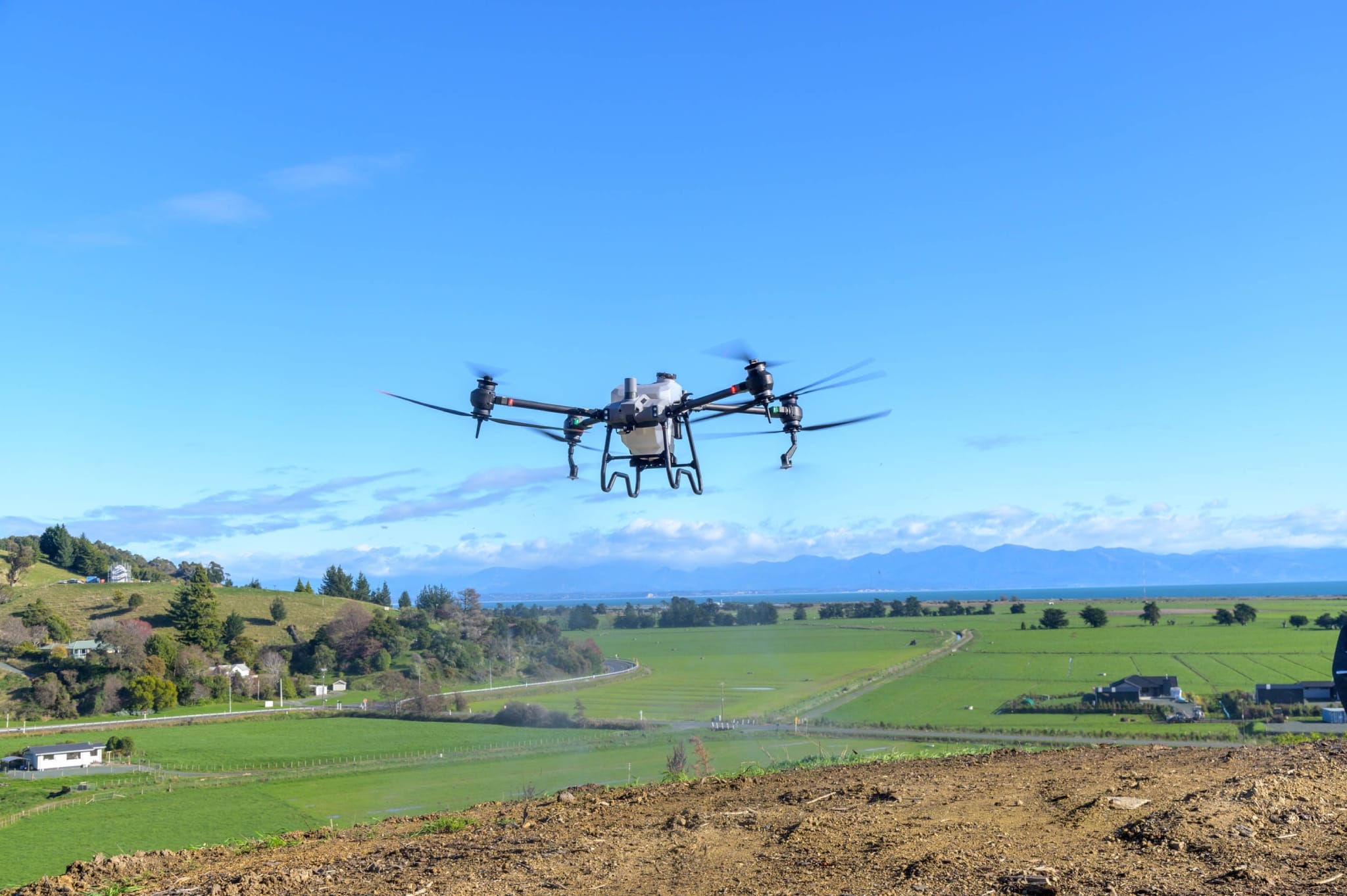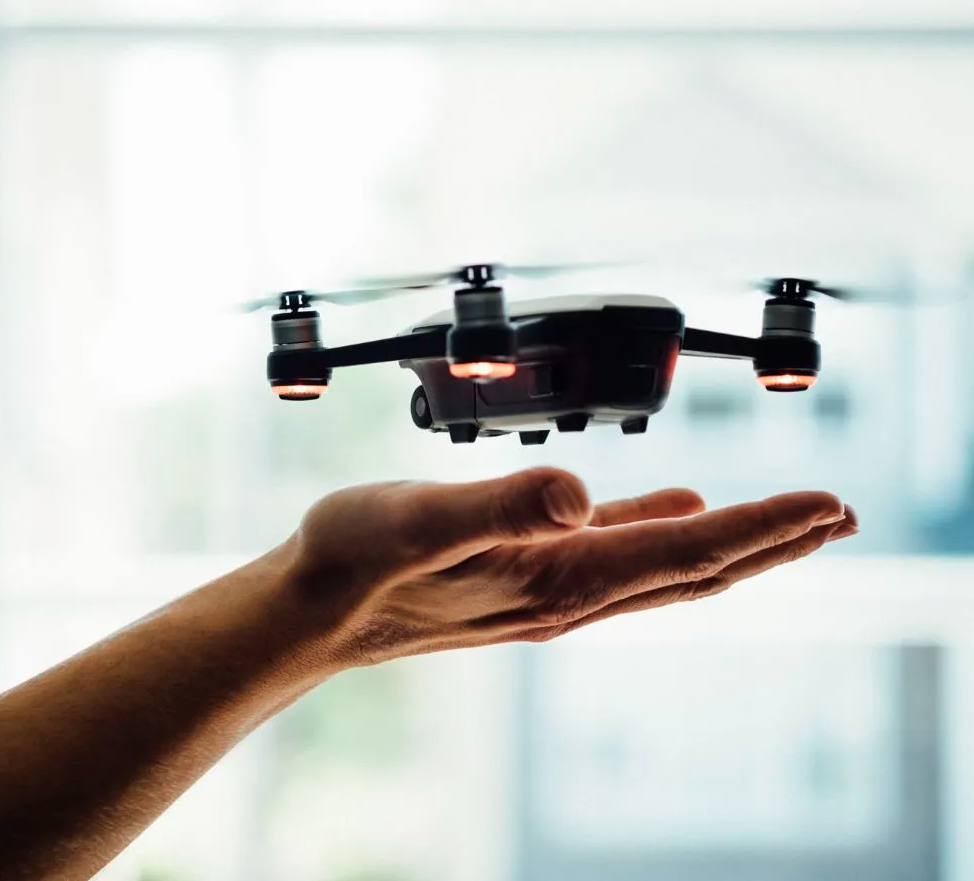
In emergency situations, every second counts, and the ability to respond quickly and effectively can save lives. This is where the role of drone as a first responder comes into play. Drones have quickly become a game-changer in firefighting, search and rescue missions, and disaster response. Their ability to access difficult-to-reach areas, capture real-time aerial footage, and provide critical data to responders has transformed emergency operations across the globe.
The Rise of Drones in Emergency Services
Historically, emergency responders have relied on traditional methods such as helicopters, ground teams, and physical infrastructure for mission-critical operations. While these methods have been effective, they often come with limitations high costs, limited reach, and sometimes slow response times. Enter drones: these unmanned aerial vehicles (UAVs) offer unprecedented advantages in a variety of emergency situations.
Drones as a first responder can be deployed rapidly, providing real-time data and aerial views of disaster zones. This helps first responders assess the situation more accurately and make data-driven decisions in a fraction of the time. Whether it’s mapping a fire’s progression, locating missing persons in remote areas, or surveying hazardous disaster zones, drones offer capabilities that traditional methods cannot match.
Advancing Firefighting Operations
One of the most prominent applications of drones in emergency services is in firefighting. Wildfires and industrial fires often spread quickly and unpredictably, putting firefighters at great risk. Drones for firefighting offer a unique advantage by providing real-time thermal imaging, identifying hotspots, and mapping fire perimeters from above. This allows firefighting teams to better strategize their response and deploy resources more efficiently.
Drones equipped with thermal cameras can detect heat signatures, even in thick smoke, allowing them to pinpoint fire locations that may not be visible to the naked eye. This real-time insight helps emergency crews avoid potential hazards, minimize property damage, and ultimately save lives.
Moreover, drones can be sent ahead of ground teams to scout dangerous areas, providing live video feeds and detailed maps of the terrain. This makes it easier for responders to plan evacuation routes, identify water sources, and prepare for the next steps in firefighting efforts.
Drones in Search and Rescue Missions
In search and rescue (SAR) missions, drones are revolutionizing how teams locate and assist individuals in distress. Whether it's locating lost hikers in rugged terrain, searching for survivors in collapsed buildings, or rescuing people from floodwaters, drones are proving to be a vital tool for SAR teams.
Using high-resolution cameras, thermal imaging, and infrared sensors, drones can cover vast areas quickly, providing SAR teams with a bird’s-eye view of the terrain. Drones also excel in navigating areas that are too dangerous for human responders, such as hazardous building sites or unstable terrain.
Enhancing Response Times and Saving Lives
The primary benefit of drone as a first responder is their ability to provide immediate situational awareness. Drones can be deployed instantly, reducing response times and allowing first responders to make faster, more informed decisions. Their ability to relay live video and data to command centers also enables coordinated efforts, ensuring that resources are deployed effectively and efficiently.
The agility, flexibility, and speed of drones make them an invaluable asset in time-sensitive operations. By providing critical information when every second matters, drones are truly advancing the way we handle emergencies.
Wrap Up:
Looking ahead, drones for fire fighting and rescue operations are set to become even more sophisticated. With advancements in AI, machine learning, and autonomous flight capabilities, drones will continue to enhance the safety, efficiency, and effectiveness of emergency response efforts. As technology evolves, drones will become increasingly capable of taking on more tasks, from carrying firefighting agents to offering real-time decision-making support during critical incidents. Don’t wait until the next emergency empower your team with drone technology today. Reach out to a trusted drone as a first responder service provider to discuss how drones can enhance your operations and improve response times.
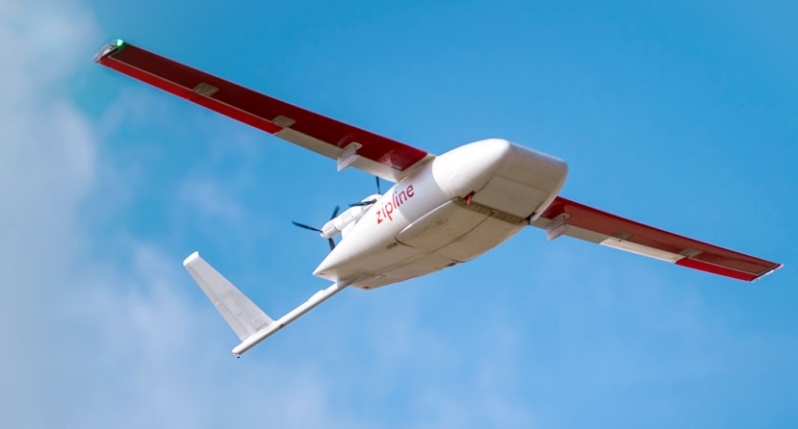
Nigeria’s Kaduna state has signed a deal with Zipline that will allow drone shipment of Covid-19 vaccines without significant state investment in cold-chain storage, the company stated, as per Reuters report.Kaduna’s partnership with Zipline, which delivered more than 1 million doses of other vaccines in Africa over the past year, will also enable on-demand delivery of blood products, medications and other vaccines.https://www.logupdateafrica.com/nigerias-kaduna-partners-with-zipline-for-covid19-vaccine-delivery-drones

Do you want to get safe infrastructural management?
Seek Tejjy Inc. - one of the best drone service companies in USA and improve your project infrastructure in the best possible way.
We Offer the Following VDC ServicesBIM and Virtual RealityAugmented RealityDrone SurveyInternet of Things (IoT)3D Printing