Enzyme linked immunosorbent assay (ELISA) is a sensitive laboratory technique widely used in immunology, molecular biology and biochemistry to detect the presence of an antibody or antigen in a sample. ELISA allows detection and quantification of substances such as proteins, peptides, antibodies and hormones. It is commonly used in medicine, forensic science and environmental monitoring.
The History and Development of ELISA
ELISA was first introduced in the 1970s and has since become an indispensable tool for the analysis of biological samples. The Enzyme Linked Immunosorbent Assay technique was initially developed by Engvall and Perlmann at Stockholm University for the detection of antibodies or proteins using an enzyme linked antibody or antigen. The research helped establish the foundation for more advanced applications of ELISA. Since then, ongoing improvements in reagents, instrumentation and automation have significantly enhanced the sensitivity, specificity, speed and cost-effectiveness of the assay. ELISA kits are now commercially available for a wide range of analytes.
The Basic ELISA Principle
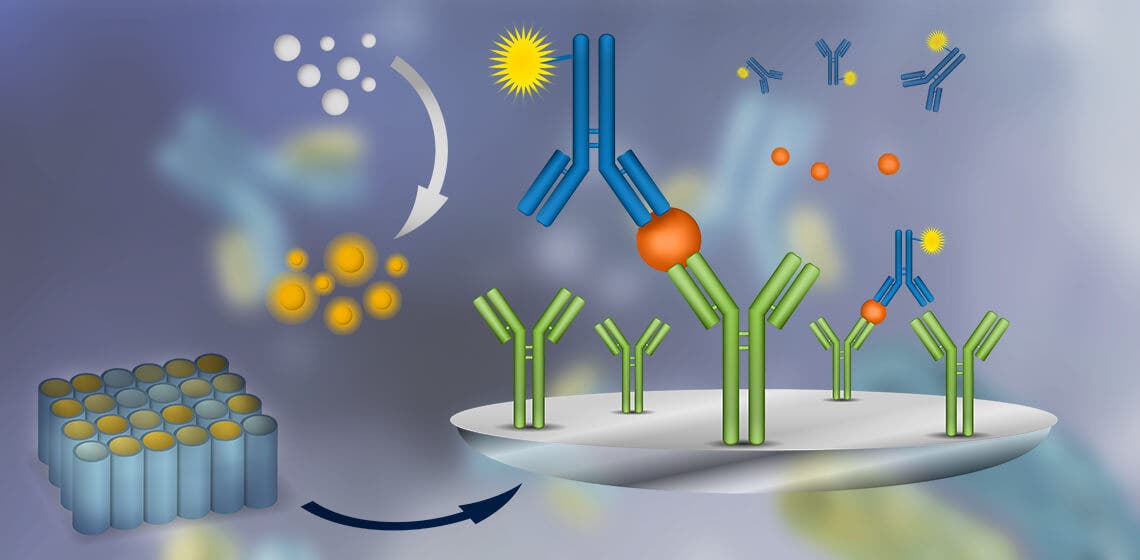
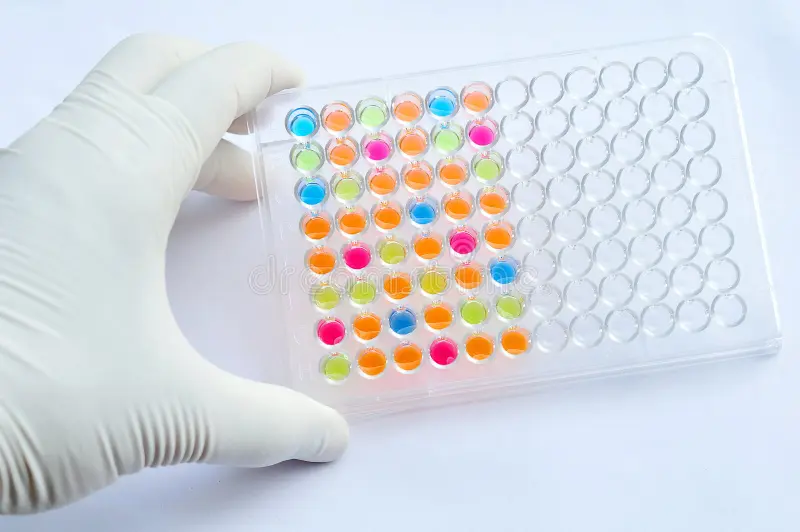
At its core, ELISA is based on the principle of antigen-antibody binding. In a basic ELISA setup, the target antigen or antibody of interest is immobilized to a solid surface such as a 96-well microtiter plate. After washing away any unbound molecules, a specific antibody or antigen conjugated to an enzyme is added to bind to its target antigen or antibody. The presence of enzyme conjugate is then detected using a colourimetric or fluorescent substrate. The intensity of color or fluorescence is directly proportional to the concentration of target antigen or antibody in the original sample.
Types of ELISA There exist four broad categories of ELISA based on the type of binding partners and detection method used:
- Direct ELISA: Target antigen is coated directly onto the plate and detected using a specific primary antibody followed by an enzyme-conjugated secondary antibody.
- Indirect ELISA: Here, plates are first coated with a capturing antibody and the target antigen in samples binds to it. Detection involves a primary detector antibody followed by a secondary enzyme conjugate.
- Sandwich ELISA: A capturing and detecting antibody pair bind to different epitopes on the target antigen, allowing sensitive quantification.
- Competitive ELISA: Uses competition between unlabeled antigen and enzyme-linked antigen for binding sites on a limited number of antibodies coated on the plate. Used to detect haptens and small molecules.
Applications of ELISA ELISA has found application in diverse fields due to its sensitivity, speed and ease of use. Some key areas where ELISA is commonly utilized include:
Clinical Diagnostics
-Screening for various infectious diseases like HIV/AIDS, hepatitis, syphilis etc.
- Measuring autoantibodies associated with autoimmune disorders
- Detecting cardiac biomarkers for managing heart disease
- Monitoring drug levels in therapeutic drug monitoring
Biomedical Research
- Quantifying protein expression and secretions in cell cultures
- Studying protein-protein interactions
- Characterizing antibodies against specific antigens
- Evaluating immune response to new vaccines
Food Safety and Quality Testing
- Detecting allergens in food products
- Identifying bacterial toxins causing food poisoning
- Authenticating meat species to prevent substitution
Veterinary Science
- Surveillance of zoonotic diseases transmissible to humans
- Screening livestock for infectious illnesses
- Studying pregnancy biomarkers in farm animals ELISA represents a highly versatile immunoassay platform that has revolutionized areas as diverse as clinical diagnostics, biomedical research, food testing and veterinary medicine. Continued technical advancements will likely broaden its scope of applications in the future.
Evaluation and Optimization of ELISA
Like any laboratory technique, obtaining reliable quantitative results from ELISA requires careful optimization and validation of the assay protocol. Some key factors that must be considered include:
- Selection of coating antigen/antibody concentration for optimal immobilization
- Determining optimal sample dilution for antigen/antibody detection within linear range
- Choosing appropriate concentrations of detection antibody and enzyme conjugate
- Standardization of washing steps to reduce non-specific binding
- Establishing a standard curve using antigen/antibody standards of known concentrations
- Performing replicates and including appropriate controls in each run
- Recording absorbance or fluorescence readings at optimal wavelength and time point
- Validating assay performance through accurate recovery of spiked samples
- Testing inter- and intra-assay precision on different runs and plates
With systematic evaluation and controlled experimentation, ELISA protocols can be refined to yield reproducible and reliable quantitative or qualitative data for analytical applications. Proper validation establishes assay specificity, sensitivity, accuracy and reportable range.
Get this Report in Japanese Language:
Get this Report in Korean Language:
Resources:
Understanding the Key Applications of Enzyme Linked Immunosorbent Assay in Diagnostics
How Enzyme Linked Immunosorbent Assay Revolutionizes Immunoassay Techniques
Innovations in Enzyme Linked Immunosorbent Assay Technology: Enhancing Accuracy and Efficiency
Recent development in Enzyme Linked Immunosorbent Assay Market
About Author:
Priya Pandey is a dynamic and passionate editor with over three years of expertise in content editing and proofreading. Holding a bachelor's degree in biotechnology, Priya has a knack for making the content engaging. Her diverse portfolio includes editing documents across different industries, including food and beverages, information and technology, healthcare, chemical and materials, etc. Priya's meticulous attention to detail and commitment to excellence make her an invaluable asset in the world of content creation and refinement.
(LinkedIn- https://www.linkedin.com/in/priya-pandey-8417a8173/)