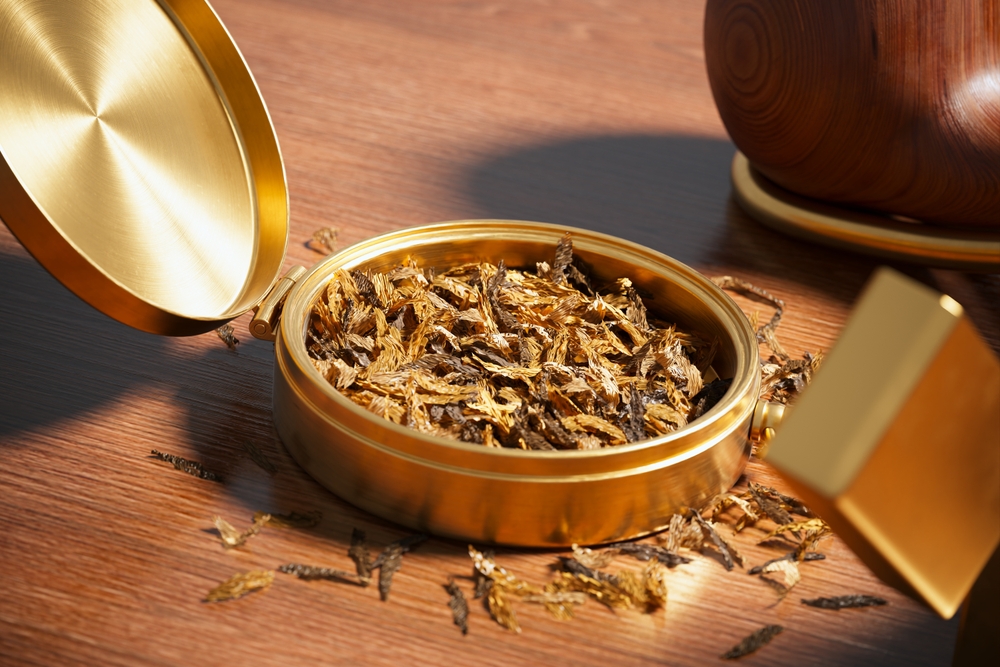


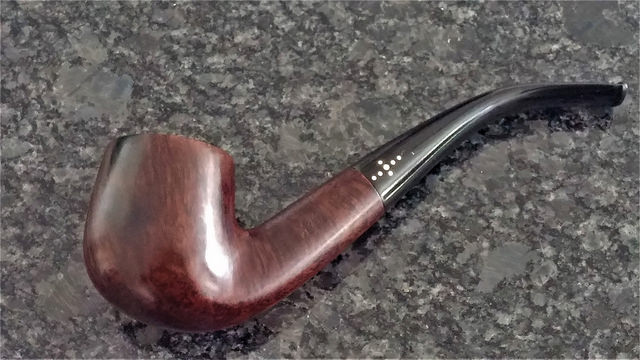
Smoking Pipes has always been a relaxing and enjoyable hobby for many people around the world. Pipe smoking has a rich history that goes back centuries. It does not matter whether you are a newbie or a seasoned smoker who is urging you to brush up on your skills, this article will provide you with all the important information regarding smoking pipes.
How to Choose a Tobacco Smoking Pipe?
Pipes are available in various shapes, sizes, and materials. Over the years, tobacco pipes have been crafted from materials like corn cobs, clay, and even clay, but the most common material is the root of the briarwood, an evergreen shrub native to the Mediterranean.
This root is favored for its natural resistance to heat and moisture absorption, and after the curing process, it does not alter the flavor of the pipe tobacco.
Briar pipes are an excellent choice for beginners due to their durability and heat resistance. Check out our guide to tobacco pipes to find the style that suits you best. There are many pipe brands for you to choose from such as:
Best Pipe Tobacco for Newbies
There are uncountable pipe tobacco blends you can choose for your smoking pipe, each of which offers a different flavor and aroma. If you are a newbie, it's probably a good idea to begin with a mild and straightforward tobacco blend.
You can try the Virginian tobacco, it is a renowned type out there, it is the perfect choice for newbies because it is mild too.
Apart from that, this tobacco blend contains natural sugar at a high level compared to all blending tobacco types available. Due to that, it gives an appreciable slight sweet taste. For starters, you can try:
How to Light a Tobacco Pipe?
Lighting your tobacco smoking pipe normally involves a couple of key steps:
The First Light or Charring Light
To begin, use your pipe lighter, and hold the flame above the tobacco while moving it in a circular motion. Take a few draws while lighting the pipe. This initial light will char the tobacco, but not completely ignite it, which is why it is called the charring light. This phase usually lasts less than a minute before going out. Thereafter, you can utilize a tamper tool if you have to gently pack the tobacco down again to encourage ember formation in the bowl.
The True Light
Once the charring light is over you will need to light the pipe again. Take a couple of draws after the pipe has been lit to ensure an even burn. Try to avoid overpuffing, as this can negatively affect the taste of the tobacco.
If your pipe is packed properly, it should stay lit throughout your smoke. You can occasionally tamp the tobacco to keep the embers going.
Keeping the Pipe Lit
Sometimes, no matter how perfectly you have packed the bowl, the tobacco just struggles to stay lit. In such cases, you need to cover the bowl with your fingers but leave a little hole for air to pass through. Take a few, quick, sharp puffs and then uncover the bowl; this technique is known as stoking the pipe.
To keep the pipe lit, you’ll need to puff routinely. Puffing too much can make the pipe get too hot, which can result in a tongue bite. If the bowl feels too hot to touch, it’s a sign to slow down your puffing rate.
Conclusion
Smoking pipes is more than just a pastime- it’s an art that requires patience, practice, and appreciation. Whether you’re selecting your first glass pipe or wood pipe, exploring different tobacco blends, or mastering the proper lighting technique, each step enhances your smoking experience.
Remember to take your time, experiment, and, most importantly, enjoy the relaxation and tradition that come with pipe smoking. If you are looking for affordable new pipes to begin with, you are in luck because tobacco pipes for sale are purchasable online.


Mokshabongs.com: Buy Wooden Smoking Pipes, Tobacco Pipe, Cigar Pipe online at best price in Delhi, Chennai, Bangalore, Hyderabad, Pune, Mumbai, India.https://www.mokshabongs.com/product-category/smoking-pipes/