History of Polyester Development
The development of polyester began in the early 1940s by chemists at DuPont and ICI. John Rex Whinfield, James Tennant Dickson and Patrick Malcolm Finnis were attempting to find a synthetic replacement for wool. In 1941, Whinfield and Dickson produced the first polyesters at Calico Printers' Association in England. They named the fiber "Terylene" but it is now more commonly known as Dacron. Over the next few years, major advances were made including utilizing ethylene glycol and terephthalic acid to produce the long-chain polyesters.
In the 1950s, commercial production began with DuPont introducing the fibers under the name "Dacron" in the United States. The new synthetic fiber proved very popular for its wrinkle resistance, stretch recovery and ease of care compared to natural fibers. Its early use was predominantly in clothing such as pants, skirts and dresses. The durability of the fibers also led to increased usage in home furnishings like curtains and upholstery fabrics.
Advancements in Polyester Production
Significant advancements were made to polyester production processes in the 1960s that helped drive costs down and up. This included continuous polymerization which allowed for larger-scale production. Filament yarn spinning also improved, reducing the diameters possible and allowing for finer textures. New chemical formulations produced softer, more durable fibers suitable for a wider range of apparel.
The growing popularity of Polyester Fiber in the 1960s was helped by its usage in activewear for its quick drying properties. It also replaced acetate rayon in applications where greater strength or thermal properties were needed. One of the most iconic introductions was the all-weather leisure suit which became hugely popular for its wrinkle-resistant, drip-dry characteristics. Increased mill innovations led to innovations like microfibers which expanded uses in high-performance fabrics.
Rise of Fiber Blends and New Applications
In the 1970s and 1980s, blending polyester with natural fibers like cotton gained widespread popularity in the apparel. The blending harnessed the best qualities of each material, with cotton adding softness and moisture absorption while polyester provided strength, wrinkle resistance and quick drying properties. Some notable fiber blends included Trevira (polyester/cotton), Dacron (polyester/wool) and Terylene (polyester/wool).
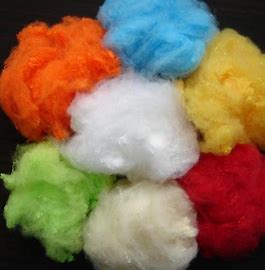
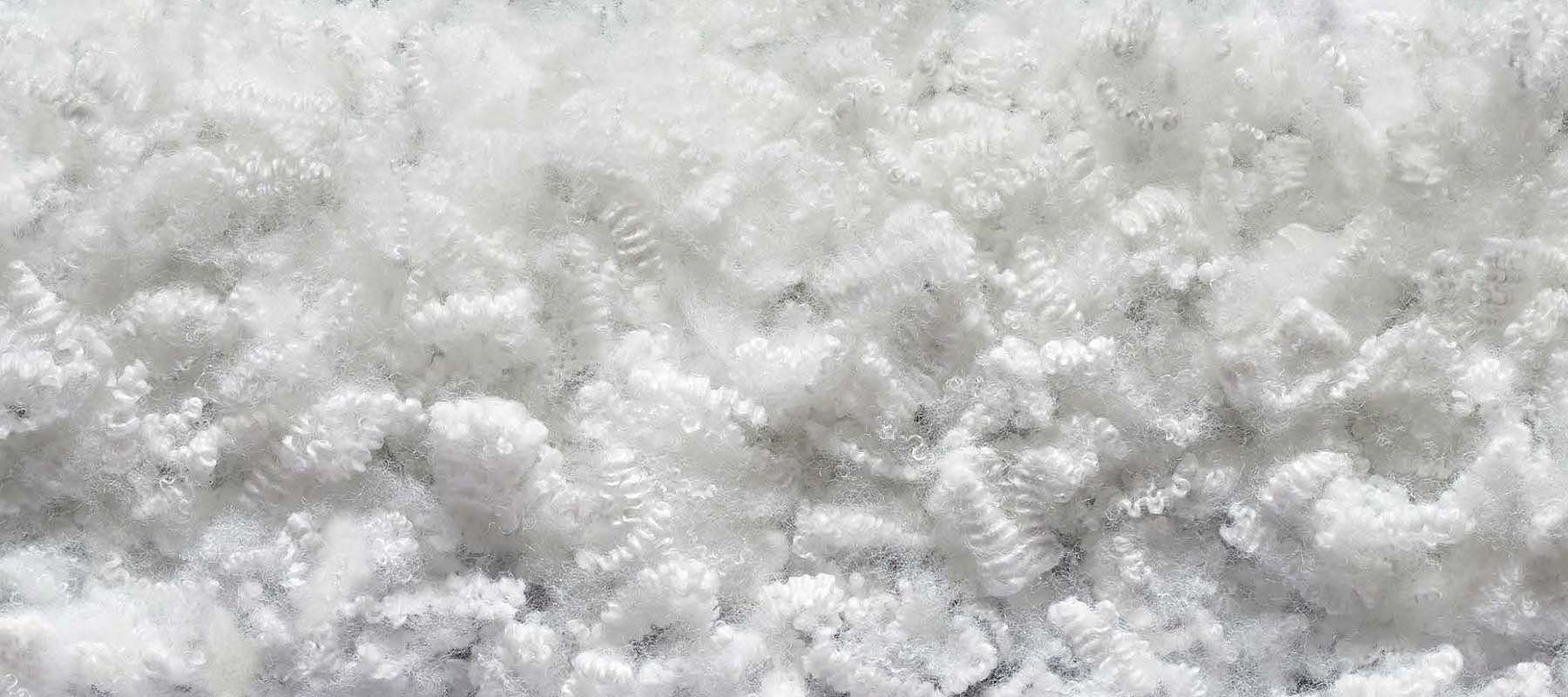
New nonwoven applications also took off during this time utilizing polyester staple fibers. Major uses included baby wipes, diapers, feminine hygiene products, filter materials and geotextiles. Polyester bonding fibers allowed for the production of new insulating materials, padding and thermal linings. Increased government funding through programs like Lycra also assisted research towards even higher performance fibers. Production levels surged, supported further by lower costs and the introduction of recycled polyester.
Current Polyester Applications and Sustainability Efforts Today, polyester accounts for over half of all fiber consumption globally and is continuing to grow at a faster rate than other fibers. Much of the increase stems from technical advances enabling finer filaments suitable for clothing, as well as cost competitiveness compared to natural fibers like cotton. Current major applications include:
- Apparel: Over 60% of polyester apparel production is blended with cotton. It is a dominant fiber in casual and active-wear due to characteristics like moisture wicking.
- Home furnishings: Upholstery, curtains, pillow filling, mattress padding utilize durability and wrinkle resistance of polyester fibers.
- Industrial uses: Geotextiles, packaging, filtration fabrics, Ropes/Cords use strength properties. Nonwoven diapers, wipes rely on absorption.
- Technical textiles: High-performance uses include tire cord, automotive interior fabrics. Medicinal constructs employ biodegradable polyesters.
As production and usage levels have risen significantly, efforts are underway to improve polyester sustainability. This includes increasing recycled polyester content which lowers fossil fuel usage. Advanced technologies are being developed to enhance biodegradability as end-of-life destinations become a larger concern. Research also focuses on utilizing alternative feed-stocks to shift from dependence on non-renewable petroleum sources. Overall, continued innovations ensure polyester fibers remain relevant in both traditional and technical textile applications for the foreseeable future.
Get This Report in Japanese Language
Get This Report in Korean Language
Resources
Types of Polyester Fibers: Properties and Applications
Recent development in Polyester Fiber Market
The Role of Polyester Fiber in the Global Textile Industry
Sustainability in Polyester Fiber Production: Challenges and Innovations
About Author:
Priya Pandey is a dynamic and passionate editor with over three years of expertise in content editing and proofreading. Holding a bachelor's degree in biotechnology, Priya has a knack for making the content engaging. Her diverse portfolio includes editing documents across different industries, including food and beverages, information and technology, healthcare, chemical and materials, etc. Priya's meticulous attention to detail and commitment to excellence make her an invaluable asset in the world of content creation and refinement.
(LinkedIn- https://www.linkedin.com/in/priya-pandey-8417a8173/)