Exploring the Types of Leather: A Comprehensive Guide
Leather is a material that has been used for centuries, renowned for its durability, versatility, and aesthetic appeal. However, not all leather is created equal. Understanding the different types of leather is crucial for anyone interested in leather products (Leather Jackets, Leather Coats, Leather Pants, Leather Vest, Leather Bags), whether you're a consumer, a designer, or a manufacturer. This article delves into the various types of leather, their origins, processing techniques, and their suitability for different products.
Full Grain Leather: The Pinnacle of Leather Quality
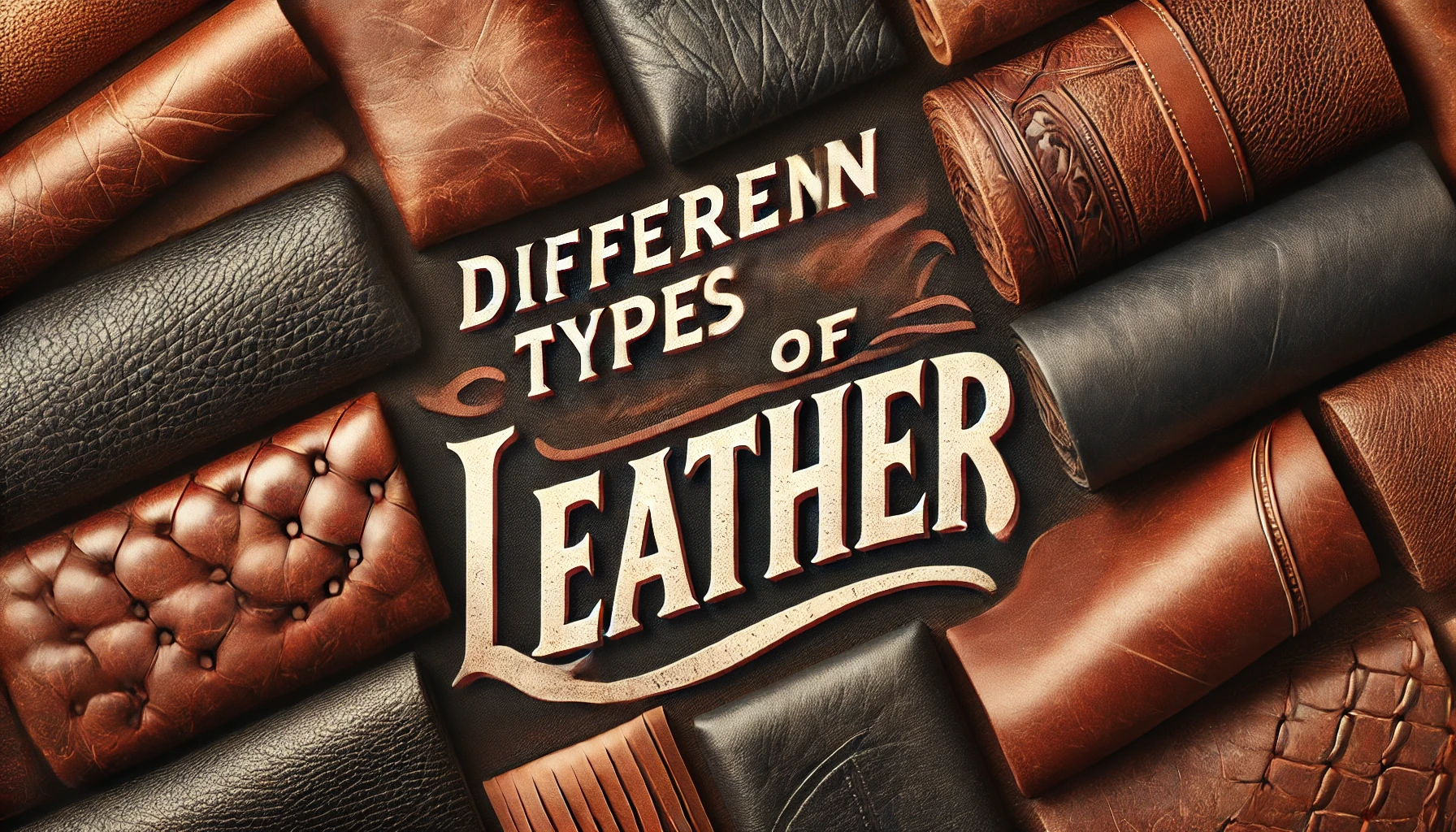
Full grain leather is often regarded as the highest quality leather available. This type of leather is made from the top layer of the hide, which includes all of the natural grain. Unlike other types of leather, full grain leather is not sanded or buffed to remove imperfections. This means it retains the natural texture and markings of the animal hide, which is a testament to its authenticity and quality.
The processing of full grain leather is minimal, which helps preserve its strength and durability. Over time, full grain leather develops a patina, a soft sheen that enhances its appearance and character. This aging process makes full grain leather highly desirable for products that are meant to last a lifetime, such as high-end furniture, luxury handbags, and premium footwear.
Leather for Bags: Choosing the Right Type for Durability and Style
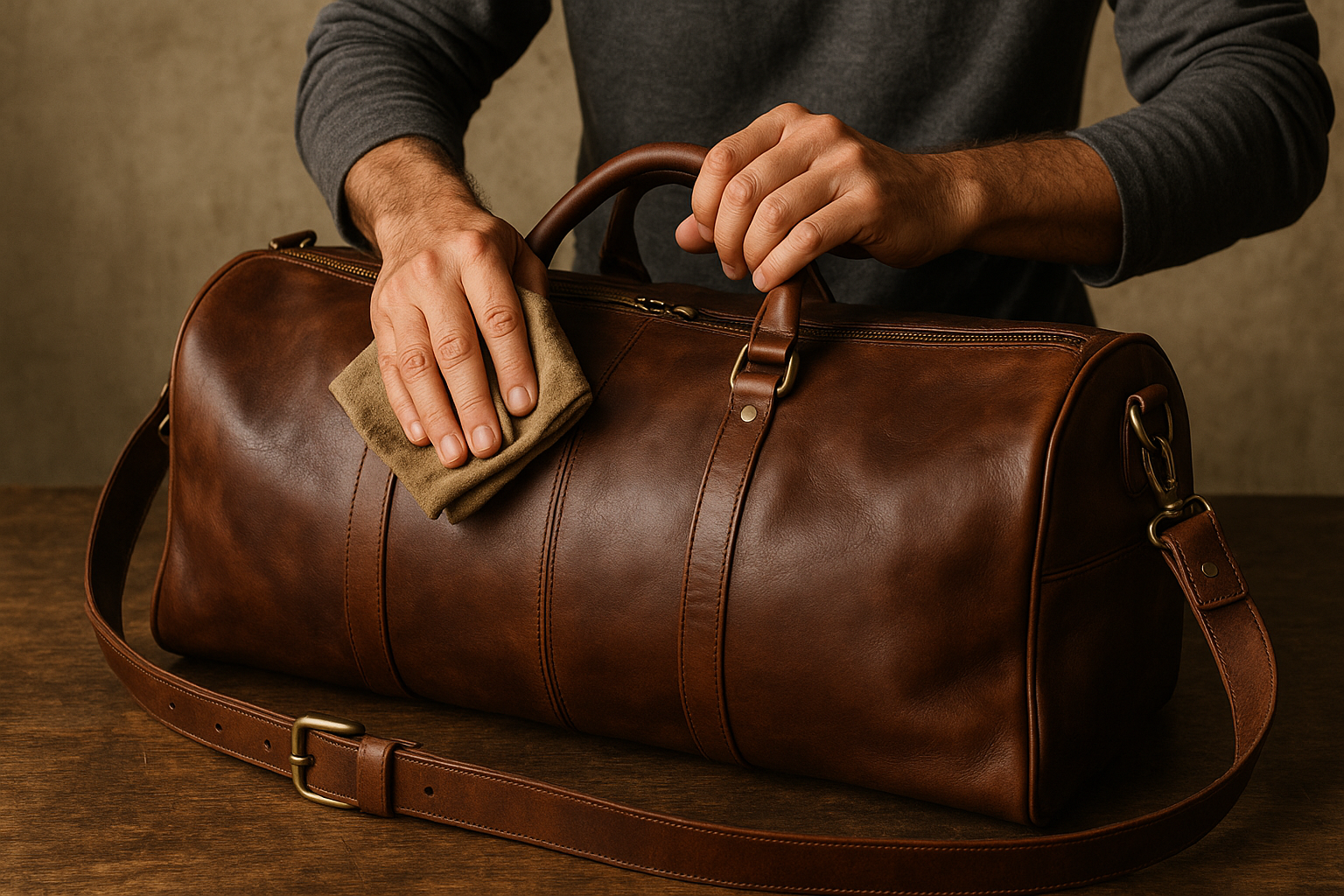
When it comes to leather bags, the type of leather used can significantly impact the bag's durability, appearance, and cost. Full grain leather is a popular choice for luxury bags due to its strength and unique aesthetic. However, it is also the most expensive option.
Top grain leather, which is sanded and finished to remove imperfections, is another excellent choice for bags. It offers a more uniform appearance and is slightly more affordable than full grain leather. For those looking for a balance between quality and cost, top grain leather is a practical option.
Other types of leather, such as genuine leather and bonded leather, are also used in bag production. Genuine leather is made from the layers of the hide that remain after the top grain has been removed, making it less durable but more affordable. Bonded leather is made from leftover scraps of leather that are bonded together, making it the least expensive and least durable option.
Top Grain Leather: A Balance of Quality and Affordability
Top grain leather is the second-highest quality leather available. It is made from the top layer of the hide, just like full grain leather, but it undergoes a sanding process to remove imperfections. This gives top grain leather a more uniform appearance and makes it more resistant to stains and wear.
The finishing process for top grain leather often includes the application of a protective coating, which enhances its durability and makes it easier to clean. This makes top grain leather a popular choice for products that need to withstand everyday use, such as furniture, car upholstery, and bags.
While top grain leather does not develop a patina like full grain leather, it still offers a high level of quality and aesthetic appeal. It is often chosen by those who want the look and feel of leather without the premium price tag associated with full grain leather.
The Origins and Processing Techniques of Leather
The journey of leather begins with the selection of animal hides, which are primarily sourced from cattle, sheep, goats, and pigs. The quality of the hide is influenced by various factors, including the animal's diet, environment, and age. After selection, the hides undergo a series of processing steps to transform them into usable leather.
The first step is curing, which involves preserving the hides to prevent decomposition. This is followed by soaking, liming, and fleshing, which help remove dirt, hair, and flesh from the hides. The hides are then tanned, a crucial process that stabilizes the protein structure of the hide, making it resistant to decay and suitable for use as leather.
There are several tanning methods, including vegetable tanning and chrome tanning. Vegetable tanning uses natural tannins found in plant materials, resulting in leather that is firm and develops a rich patina over time. Chrome tanning, on the other hand, is a faster process that uses chromium salts, producing softer and more pliable leather.
Suitability of Different Leather Types for Various Products
The type of leather chosen for a product depends on several factors, including the desired aesthetic, durability, and cost. Full grain leather, with its natural beauty and durability, is ideal for high-end products like luxury handbags, premium footwear, and bespoke furniture. Its ability to develop a patina adds to its appeal, making it a favorite among leather enthusiasts.
Top grain leather, with its balance of quality and affordability, is suitable for a wide range of products. It is commonly used in furniture, car interiors, and bags, where a uniform appearance and ease of maintenance are important. Its stain-resistant properties make it a practical choice for everyday items.
Genuine leather and bonded leather, while not as durable as full grain or top grain leather, offer cost-effective options for products that do not require the highest level of quality. These types of leather are often used in fashion accessories, budget-friendly furniture, and decorative items.
The Environmental Impact of Leather Production
The leather industry has faced scrutiny over its environmental impact, particularly concerning the tanning process and the sourcing of hides. Traditional tanning methods, especially chrome tanning, can result in pollution and waste if not managed properly. However, the industry is evolving, with many manufacturers adopting more sustainable practices.
Vegetable tanning, for example, is considered more environmentally friendly due to its use of natural materials. Additionally, some companies are exploring innovative tanning methods that reduce water usage and chemical waste. The sourcing of hides is also becoming more sustainable, with an emphasis on ethical and responsible practices.
Conclusion: Navigating the World of Leather
Understanding the different types of leather and their unique characteristics is essential for making informed decisions when purchasing leather products (Leather Jackets, Leather Coats, Leather Pants, Leather Vest, Leather Bags). Whether you're looking for a durable leather bag, a luxurious piece of furniture, or a stylish pair of shoes, knowing the distinctions between full grain, top grain, genuine, and bonded leather can help you choose the right product for your needs.
As the leather industry continues to innovate and adopt more sustainable practices, consumers can look forward to a wider range of high-quality and environmentally friendly leather products. By appreciating the craftsmanship and history behind leather, we can better enjoy the timeless elegance and functionality that this material offers.