



In today’s digital world, businesses are constantly seeking cost-effective and efficient communication solutions. Many companies are moving away from traditional landlines and adopting VoIP telephone systems. But a common question remains: is VoIP reliable enough for business phone calls? The answer is a resounding yes—provided you have the right infrastructure in place. Let’s explore the reliability of VoIP business phones and what businesses need to consider.
Understanding VoIP Reliability VoIP (Voice over Internet Protocol) technology allows businesses to make phone calls using an internet connection instead of traditional phone lines. This offers several benefits, including lower costs, greater flexibility, and enhanced functionality. However, the reliability of VoIP depends on several factors, such as internet speed, network stability, and service provider quality.
Factors That Affect VoIP Reliability Internet Connection Quality VoIP services rely on a stable and high-speed internet connection. A poor connection can result in dropped calls, latency issues, or poor sound quality. Businesses should invest in high-bandwidth internet and consider a backup connection to prevent disruptions.
Network Infrastructure Proper network configuration, including routers and Quality of Service (QoS) settings, ensures smooth call performance. QoS prioritises voice traffic over other data, reducing latency and jitter in calls.
VoIP Service Provider The choice of business telephone systems provider plays a significant role in reliability. Reputable VoIP providers offer high uptime guarantees, secure connections, and 24/7 technical support to ensure uninterrupted service.
Power and Redundancy Measures Unlike traditional phone lines, VoIP relies on power and internet connectivity. Businesses should have power backups such as uninterruptible power supplies (UPS) and failover solutions to maintain service during outages.
Ensuring VoIP Reliability for Your Business To maximise the reliability of VoIP business phones, businesses should: Choose a reputable VoIP provider with strong service-level agreements (SLAs). Invest in a high-speed and stable internet connection. Configure Quality of Service (QoS) settings to prioritise voice traffic. Use redundancy measures like backup internet and power sources. Regularly monitor and test VoIP performance to identify and resolve issues promptly.
Advantages of VoIP for Business Calls Despite concerns over reliability, VoIP offers numerous advantages that make it a compelling choice for businesses: Cost Savings: VoIP reduces costs on long-distance and international calls, making it a budget-friendly solution. Scalability: Businesses can easily add or remove lines as needed, without the hassle of physical infrastructure changes. Advanced Features: VoIP systems come with features like call forwarding, voicemail-to-email, video conferencing, and call analytics, enhancing business communication. Remote Accessibility: Employees can make and receive calls from anywhere, supporting remote and hybrid work environments.
Conclusion VoIP is a reliable and efficient solution for modern business telephone systems, provided that businesses take the necessary steps to ensure a stable connection and network infrastructure. With the right VoIP setup, companies can enjoy cost savings, flexibility, and advanced communication features that enhance productivity and customer interactions.
Birmingham:
Beech House Greenfield CrescentEdgbaston, B15 3BE
Tel: 0203 150 2227
info@voipexperts.co.uk




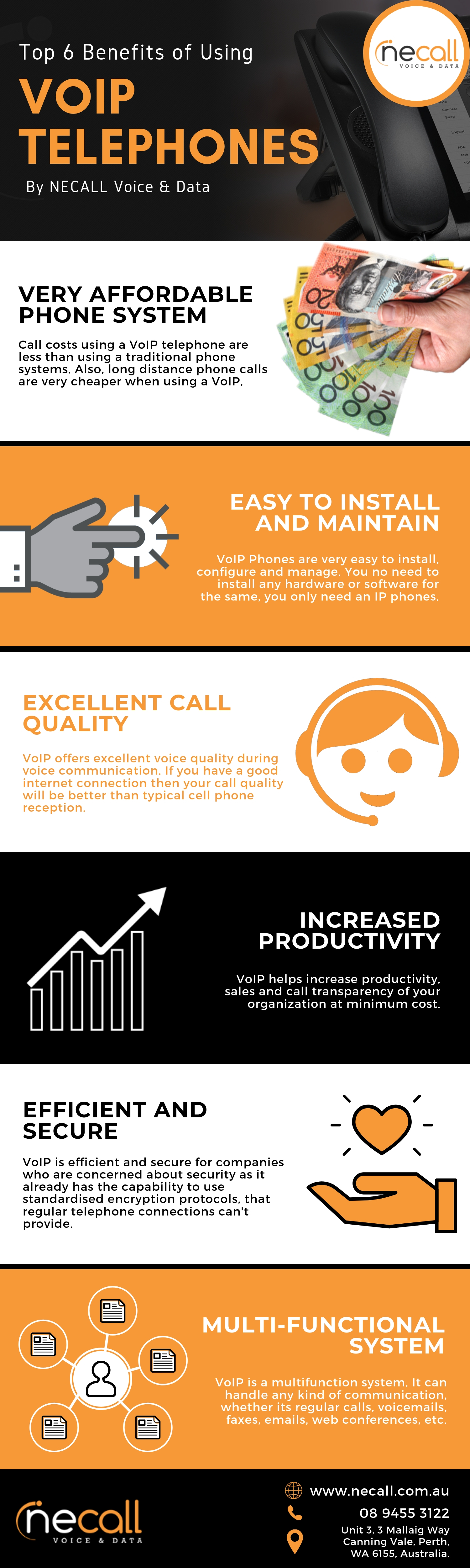
Are you thinking of moving to VoIP Phones?
Here, we have listed the top 6 benefits of VoIP telephone system for your business?
Check out this infographic for more details.