


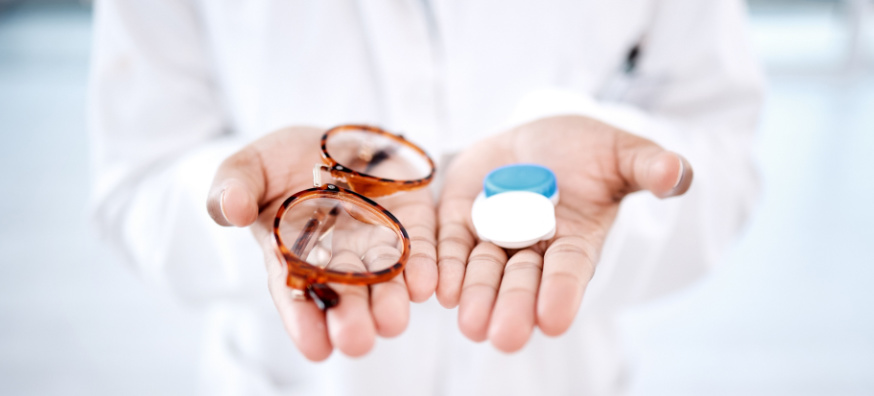
What are Prescription Lenses? Prescription lenses are eyeglass lenses that have been customized to a person's specific vision needs as determined by an eye exam. During an eye exam, your eye doctor will determine your prescription for glasses by measuring factors like your eyeglass prescription includes your sphere, cylinder and axis measurements. Based on these measurements, an optician grinds lenses to the exact prescription needed to correct nearsightedness, farsightedness or astigmatism. Prescription lenses come in various materials, treatments and coatings to suit different needs. Types of Prescription Lenses There are several different types of prescription lenses available to suit different vision corrections and lifestyles. Some of the most common types include: Single Vision Lenses: Single vision lenses have just one prescription and are designed for distance or reading vision only. They are best for mild refractive errors. Bifocal Lenses: Bifocal lenses have two prescriptions - one for distance and one for reading or near vision. The reading portion is usually at the bottom of the lens. Progressive or No-Line Bifocal Lenses: Progressive lenses smooth the transition between distance, intermediate and near vision without visible lines. These Prescription Lenses makes them ideal for people who switch between distances frequently. Trifocal Lenses: Trifocal lenses contain three prescriptions - for distance, intermediate and near vision. They have two visible lines. Computer Lenses: Specifically designed for digital device work, computer lenses are optimized for intermediate viewing distances common with computer screens and tablets. Specialty and Sport Lenses: Specialty prescription lenses include polarized sunglasses, safety lenses for lab or industrial work, and sport lenses designed for activities like cycling or swimming. Lens Materials The material a prescription lens is made from impacts its durability, weight, optics and cost. Some common lens materials include: Plastic: Lightweight plastic is the most affordable material. It comes in many durable, high-quality options. Polycarbonate: Nearly unbreakable, lightweight polycarbonate is impact-resistant and safe for children. Trivex: A lighter, higher-impact resistant plastic alternative to polycarbonate with excellent clarity. CR-39: The standard plastic lens material, it provides good optics at an affordable price. High-Index Plastics: Thinner, lighter materials that allow for thinner, lighter lenses in higher prescriptions. Glass: Heavier than plastics but very durable, glass transmits light with crystal clarity. Lens Treatments and Coatings Special treatments and coatings can be applied to prescription lenses to improve vision, comfort and convenience. Some common options include: Anti-Reflective Coatings: Reduce glare and reflections to maximize light transmission through the lens. Scratch-Resistant Coatings: A hard coating that protects the lens surface from scratches and abrasions. Anti-Smudge Coatings: Make it easy to keep lenses clean with an easy-clean surface that repels fingerprints, smudges, water and oil. Transition or Photochromic Lenses: Darken in sunlight and lighten indoors automatically without removing lenses. Blue Light Filtering Coatings: Filter high-energy blue light often emitted by digital devices, which some studies link to digital eyestrain. Polarized Lenses: Effectively reduce glare off non-metallic surfaces like water, snow and glass. Ideal for driving and sports. Caring for Prescription Lenses With proper care, prescription lenses can last for years. Here are some tips: - Clean lenses gently with a soft, lint-free cloth made for lens cleaning. - Avoid using paper products, rough fabric or your shirt which can scratch the lenses. - Store lenses in a hard case when not wearing them to protect from scratches. - Avoid extreme temperatures which can warp plastic lenses over time. - Have lenses inspected annually by your optician for scratches or damage. - Consider lens treatments like scratch-resistant and anti-reflective coatings for maximum durability. - Replace lenses if prescription changes more than 0.5 diopters or every 1-2 years. Prescription lenses are an important part of vision correction. With the right lens type, material, treatments and care, they can provide clear, comfortable vision for years. Consulting your eye doctor ensures you have the optimal lenses for your lifestyle and vision needs.
Get this Report in Japanese Language-
Get this Report in Korean Language-
About Author-
Priya Pandey is a dynamic and passionate editor with over three years of expertise in content editing and proofreading. Holding a bachelor's degree in biotechnology, Priya has a knack for making the content engaging. Her diverse portfolio includes editing documents across different industries, including food and beverages, information and technology, healthcare, chemical and materials, etc. Priya's meticulous attention to detail and commitment to excellence make her an invaluable asset in the world of content creation and refinement.
(LinkedIn- https://www.linkedin.com/in/priya-pandey-8417a8173/)


Single Vision Lenses Market 2021: Global Business Growth, Demand, Trends, Forecasts till 2027A report was released recently that sheds lots of light on the Single Vision Lenses Industry.
The report also analyzes the production as well as management technology in various end-user industries.
Any changes in these market dynamics directly affect the market growth hence the report provides a future insight into important factors that should be monitored and which could be leveraged by companies, vendors, distributors and all stakeholders alike to their advantage.
The report also provides an insight into the challenges faced by the market and the strategies used by existing players to overcome or avoid these risks.Regional overviewAs already mentioned, the report covers different regions such as North America, Latin America, Asia Pacific, Europe, and the Middle East & Africa.
The different strategies employed by different players in different regions has been studied extensively in order to gain an understanding of the global market.
It is important to understand where the Single Vision Lenses market has been, currently is and where it is projected to go so that an accurate picture of the future may be painted.
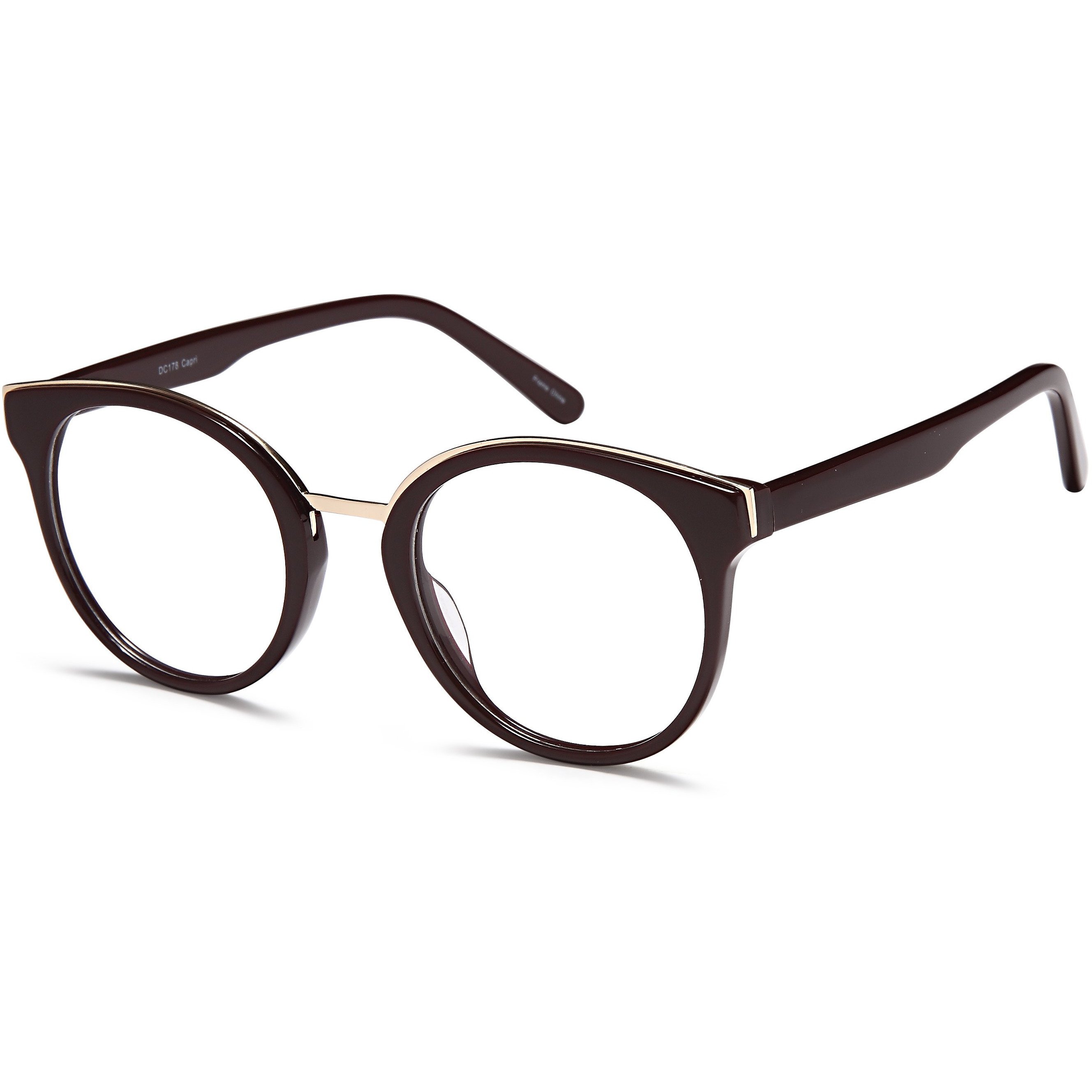
Buy Your Prescription Glasses Online This WinterSo you've decided that since it's freezing outside it's that time of the year when snuggling up in front of a log fire with a warm cuppa and good book seems like the most logical thing to do but as you sit down you hear a loud 'crack' and see that you've shattered your glasses!
The last thing you feel like doing is going out to get new glasses but you need not fear as now you can buy prescription glasses online.In the past obtaining high index prescription glasses online was simply not possible and hence would require a visit to an optician and the payment of more expensive high street prices for the glasses.
These specialists will makes use of a machine called a phoropter to test a patient's eyes and to determine whether they have problems with their vision and whether they need glasses to correct it.Glasses are made up of lenses and frames and lenses are curved objects usually made of a transparent substance such as glass that have the ability to disperse or concentrate light rays.
An example of a commonly known spherical lens is a magnifying glass.
This amazing facility saves you lot of time and money as well.
You can easily find numbers of reputable online glasses retailers by 'Googling' or reading through consumer review forums.