Chemical Structure and Properties of Anionic Surfactants
Anionic surfactants are compounds that contain both a hydrophilic (water-loving) and a hydrophobic (water-hating) portion. The hydrophilic portion consists of a negatively charged ionic group, usually a carboxylate, sulfate, or sulfonate group. The hydrophobic portion is typically a long hydrocarbon chain containing between 10-18 carbon atoms. This arrangement allows anionic surfactants to interact with both polar and nonpolar substances.
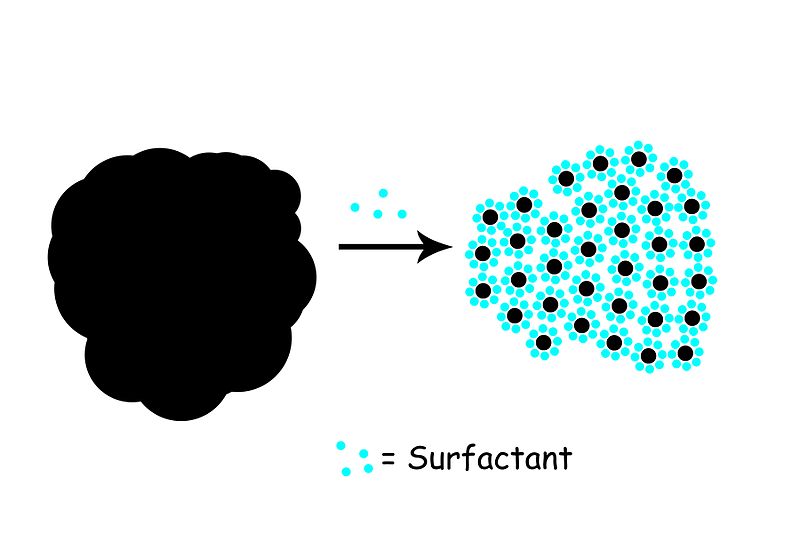
The negatively charged ionic head group draws water molecules towards itself, making the surfactant water soluble. However, the hydrocarbon tail is repelled by water. This contradictory nature enables Anionic Surfactants to act as emulsifying, foaming, and dispersing agents. They can lower the surface tension of water and allow fats, oils, and dirt to be dispersed instead of clumping together.
Common examples of anionic surfactants include sodium lauryl sulfate (SLS), linear alkylbenzene sulfonate (LAS), and alpha-olefin sulfonate (AOS). SLS is one of the most widely used surfactants globally due to its good balance of performance and cost. It is commonly found in shampoos, toothpastes, and household cleaners. LAS has a branched alkyl chain which makes it very effective at low concentrations and temperatures compared to SLS.
Uses and Applications of Anionic Surfactants
Due to their ability to penetrate surfaces and break apart nonpolar substrates, anionic surfactants find applications across numerous industries:
- Soaps and detergents: Anionic surfactants form the base of most bar soaps, dish detergents, and laundry detergents. Their degreasing action helps remove oily soils effectively from fabrics and surfaces.
- Personal care: Shampoos, liquid soaps, body washes, toothpastes, and other personal care products utilize anionic surfactants as primary cleansing agents. Their mild nature makes them suitable for use on skin and hair.
- Industrial and institutional cleaning: Formulations containing anionic surfactants are effective at tackling tough soils on floors, walls, hard surfaces, and heavy equipment in factories and public buildings.
- Oilfield chemicals: To enhance oil recovery and minimize scaling, anionic surfactants are injected into oil reservoirs. They reduce interfacial tension between oil and water.
- Agrochemicals: As adjuvant or wetting agents, anionic surfactants are added to pesticides and herbicides to improve their spreading ability and rain-fastness on plant leaves and soil.
- Textile processing: During desizing and scouring steps, anionic surfactants are used to eliminate starches and natural fats from fabric fibers like cotton.
- Paints and coatings: Formulation of water-based paints relies on anionic surfactants to emulsify pigments and binders into a uniform suspension.
Environmental and Toxicological Profile
With widespread usage comes environmental impact that needs addressing. Most commonly used anionic surfactants like SLS and LAS are not readily biodegradable. They can persist in wastewater and eventually end up in rivers, lakes, and oceans if not broken down first at treatment plants.
However, newer generations demonstrate improved biodegradability under aerobic conditions. Biosurfactants, which are anionic surfactants produced from renewable feedstocks rather than petrochemicals, are also more ecological. Continuous efforts are ongoing to develop alternatives synthesized from natural and sustainable sources.
On the toxicological front, short-chain anionics exhibit higher toxicity compared to long-chain varieties. Their critical micelle concentration (CMC), the point where aggregation into micelles begins, also impacts results. Above the CMC, surfactants are much less toxic as they form water-soluble aggregates. Work is still needed to fully understand the endocrine disruptive potential of common surfactants and their byproducts.
Regulations and Sustainability Initiatives
Stringent toxicity standards enforced by regulatory bodies have compelled the towards gentler products. Global regulations such as European Union's Registration, Evaluation, Authorisation and Restriction of Chemicals (REACH) are facilitating a transition to safer alternatives. Bio-based and readily biodegradable surfactants meeting strict criteria are gaining favor over petrochemical varieties.
Manufacturer partnerships with conservation non-profits also help make formulations more sustainable. Initiatives focus on minimizing waste, reducing plastic packaging, setting recycling goals, and curbing carbon emissions across the value chain. Strategies leveraging renewable feedstocks and green chemistry principles can yield anionic surfactants with lower environmental footprints. Concerted efforts by all stakeholders will be crucial to advance the sustainable development agenda.
With their excellent wetting and dispersing properties, anionic surfactants underpin countless modern products and industrial processes. While legacy varieties present environmental issues, continued scientific progress and stringent regulations are steering the towards more sustainable next-generation solutions. Optimized chemical designs coupled with circular economy practices can minimize impacts and enable anionic surfactants to safely meet growing global for cleaning agents.
Get This Report in Japanese Language
Get This Report in Korean Language
About Author:
Priya Pandey is a dynamic and passionate editor with over three years of expertise in content editing and proofreading. Holding a bachelor's degree in biotechnology, Priya has a knack for making the content engaging. Her diverse portfolio includes editing documents across different industries, including food and beverages, information and technology, healthcare, chemical and materials, etc. Priya's meticulous attention to detail and commitment to excellence make her an invaluable asset in the world of content creation and refinement.
(LinkedIn- https://www.linkedin.com/in/priya-pandey-8417a8173/)