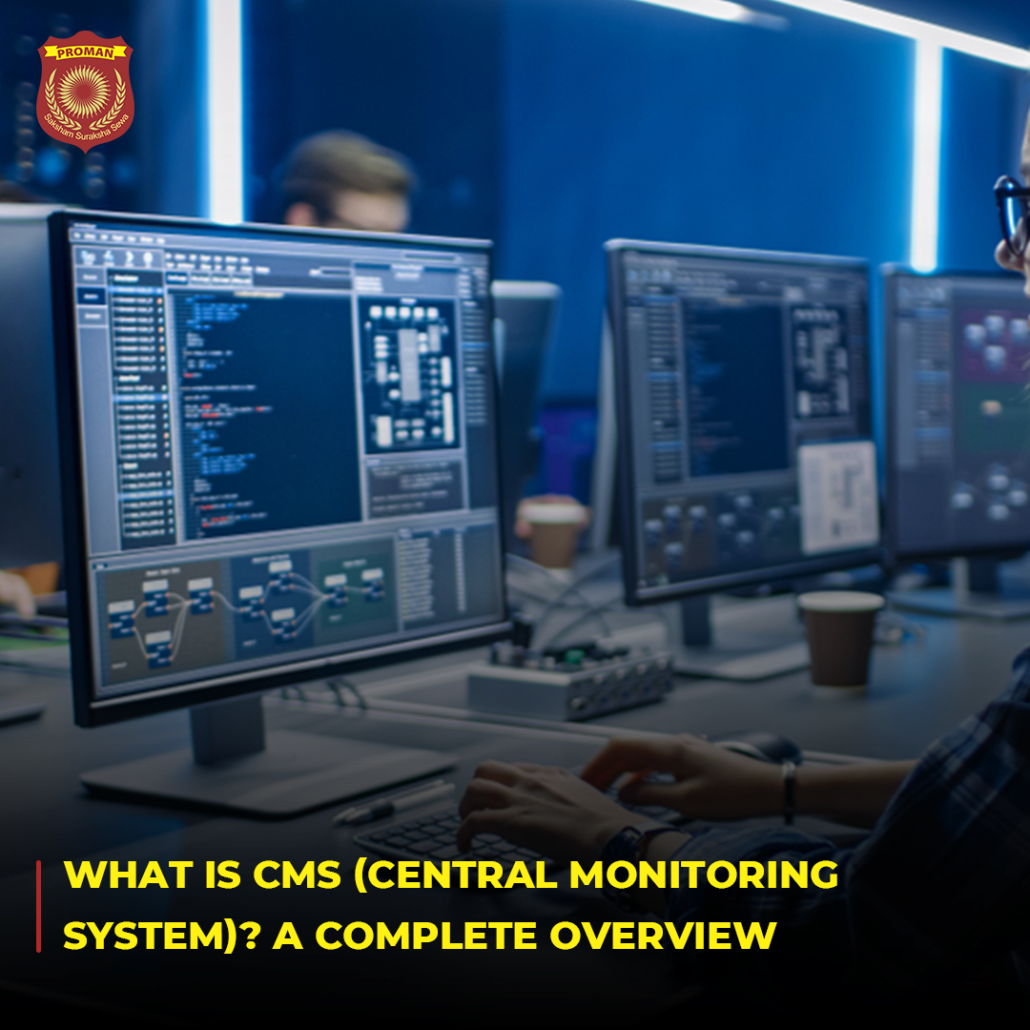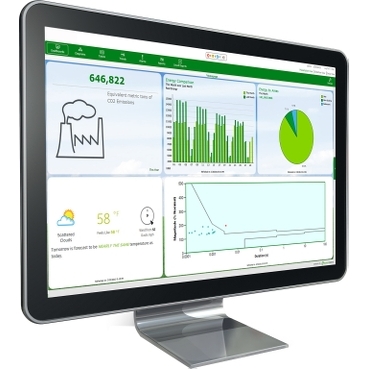
A power monitoring system is an integrated solution that provides real-time data on energy consumption and power quality in commercial and industrial facilities. These systems monitor key electrical parameters like voltage, current, power factor, harmonics, and more to help optimize energy usage. Power monitoring systems consist of sensors installed at critical points in the power distribution infrastructure. The sensors continually measure and record electrical characteristics and transmit the data to a central monitoring station. Advanced power monitoring platforms then analyze this data and provide reports and alerts to end-users. Key Components of a Power Monitoring System Most power monitoring systems have the following core components: Current Transformers (CTs) and Potential Transformers (PTs) - These Power Monitoring System sensors clamp around cables or bus bars to measure current, voltage, power, energy and other parameters. Data Logging Equipment - This intelligent electronic device (IED) interfaces with the sensors to accumulate, timestamp and store power quality/quantity data. Popular IEDs include power meters, PLCs and revenue meters. Communication Infrastructure - This enables transmitting sensor data from CT/PT locations to the central monitoring station via wired or wireless network technologies. Common options are MODBUS, BACnet, SNMP and cellular networks. Monitoring Software - Centralized software installed at the monitoring station receives data from IEDs, analyzes trends, provides alarms and generates detailed performance reports. Features vary by vendor but most offer visualization dashboards, benchmarking and automated analytics. Benefits of Power Monitoring for Operations and Energy Management Power monitoring brings a number of advantages for facilities ranging from manufacturing plants to commercial buildings: Improved Energy Efficiency - Real-time insights into peak loads, power factor and harmonics lets operators optimize processes and deploy demand response measures to reduce energy costs. Reliability Enhancement - Constant monitoring of voltage sags, swells and interruptions helps pinpoint equipment issues before outages. Predictive maintenance is easier. Power Quality Assurance - Harmonics, transients and other disturbances are detected to resolve interference in sensitive equipment and ensure uninterrupted productivity. Increased Cost Control - Detailed energy use analytics reveal waste and savings potential. Unexpected spikes can be investigated. Budgeting becomes more accurate over time. Regulatory Compliance - Fulfilling local utility standards and reporting requirements for energy consumption/conservation initiatives is simplified. Applications of Power Monitoring for Various End Uses Given the versatile benefits, power monitoring finds myriad uses across different industry verticals and building types: Manufacturing - Monitor individual production lines and tools for energy efficiency programs. Detect power quality issues affecting uptime. Data Centers - Continuously assess UPS health, server loads and cooling system loads to maximize capacity utilization of critical infrastructure. Commercial Buildings - Track usage patterns of HVAC, lighting and other campus-wide systems. Allocate energy costs properly for tenants. Healthcare Facilities - Safeguard sensitive medical equipment from disturbances. Find ways to cut energy costs without impacting patient services. Renewable Energy Plants - Ensure solar, wind and other DER systems integrating smoothly on the grid. Optimize generation and revenue from these assets. Transport Infrastructure - Power quality protection for traffic control systems, rail networks etc. Outage detection across vast geographical areas. Government & Municipal - Consolidate data from traffic lights, water pumps, street lights etc. to develop energy efficiency standards. Implementation Considerations for Power Monitoring Deployments When installing a power monitoring solution, the following factors must be weighed: Budget - Upfront hardware/software costs vs long-term operational savings through insights. Cloud-based vs on-premise monitoring options. Compatibility - Ensuring sensors, IEDs and software integrate seamlessly with existing infrastructure components like PLCs, SCADA etc. Scalability - Allowing the system to incrementally expand coverage as needs evolve without major upgrades. Accuracy - Proper sensor sizing and placement for capturing critical nodes. Environmental factors affecting performance. Connectivity - Reliable wired or wireless network architecture supporting data transmission requirements. Cybersecurity measures. Customization - Degree of configuration flexibility to generate tailor-made analytical reports and dashboards for target use cases. Maintenance - Factoring sensor recalibration cycles, software upgrades and ongoing technical support into long-term costs. With careful planning informed by these variables, power monitoring aids facilities significantly in optimizing energy consumption, reducing operating expenditures and enhancing productivity over the asset lifecycle.
Get this Report in Japanese Language- 電力監視システム
Get this Report in Korean Language- 전력 모니터링 시스템
About Author-
Vaagisha brings over three years of expertise as a content editor in the market research domain. Originally a creative writer, she discovered her passion for editing, combining her flair for writing with a meticulous eye for detail. Her ability to craft and refine compelling content makes her an invaluable asset in delivering polished and engaging write-ups.
(LinkedIn: https://www.linkedin.com/in/vaagisha-singh-8080b91)