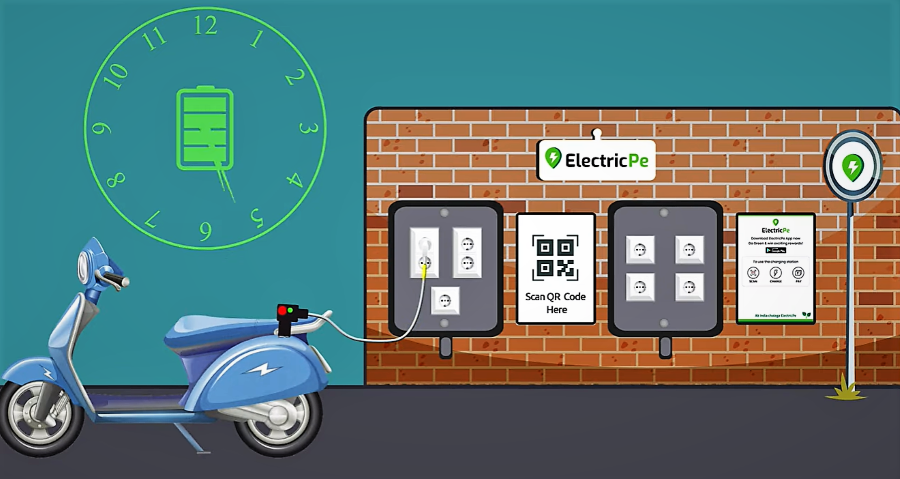
Gone are the days when there were limited options for transportation. Today, in this era, every individual possesses an advanced and feature-rich vehicle, be it a car or a bike. People are now increasingly opting for more sustainable options, such as electric vehicles. These cars unquestionably provide features that gasoline-powered vehicles do while also being environmentally friendly. While electric cars help reduce carbon footprint, their high costs make consumers hesitant. However, the reality is just the opposite!
Shocked or maybe surprised?
Don’t be!
Instead, read this post for a detailed comparison of the costs of EVs and gas cars. To help you ease your stress, we have rounded up a detailed cost comparison between electric vehicles and gasoline cars. So, read on!
Electric Vehicle Vs. Gas Car – A Comprehensive Cost Comparison
You know that EVs are battery-powered vehicles that significantly reduce carbon footprint. However, most people end up buying a gas car. Do you know why? This is because they think EVs are expensive endeavors. But that’s not how it is. If you compare the overall cost of having and maintaining a vehicle, you will realize that EVs are comparatively inexpensive. So, here is a detailed cost comparison between these two most popular transportation options. Take a look…
EV vs. Gas Car: Initial Price Tags
Electric vehicles are usually considered more expensive than gas cars. It is because of the upfront cost. However, as the market for EV cars grows rapidly, the price margin will narrow in the coming years. To make EVs accessible to everyone, manufacturers are focusing on producing affordable batteries and other technologies. In addition, the government is coming up with numerous incentives to encourage consumers to opt for sustainable transportation options. Government incentives, such as tax exemptions, rebates, or subsidies, are helping to reduce the upfront cost of environment-friendly cars. Under the FAME scheme, you can take advantage of the state government subsidy of up to INR 10,000 per kWh for EVs. When you factor in these incentives, you will find the price gap between EVs and gas cars is narrow.
EV vs. Gas Car: Maintenance Cost
Buying a vehicle is not a very big deal; maintaining it is! So, when it comes to the maintenance cost of both types of vehicles, EVs are relatively more affordable. With fewer components, EVs require no oil changes and regular engine maintenance regularly. Conversely, gas-powered cars do not save prices on oil changes. They frequently require pricey oil changes. Besides this, EVs are most sought after because of their regenerative braking feature. It restores the energy lost to braking. It means that it does not cause brake wear, eliminating the cost of brake pad replacements. Adding to that, electric cars rarely need tire rotations and service checks. While EV's initial costs are high, the maintenance cost is half compared to gas-powered cars, which makes EVs a perfect alternative to maintain the serenity of the environment.
EVs vs. Gas Car: Fuel Cost
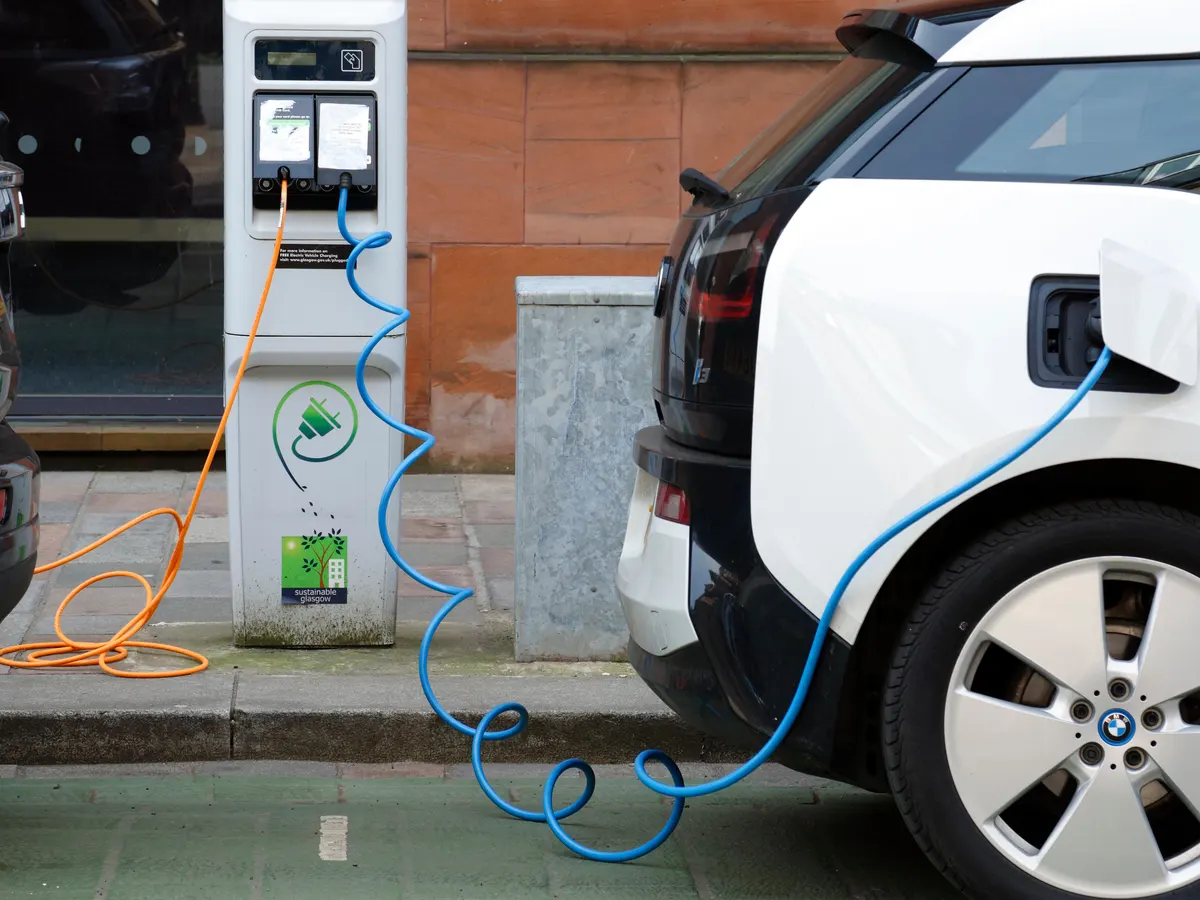
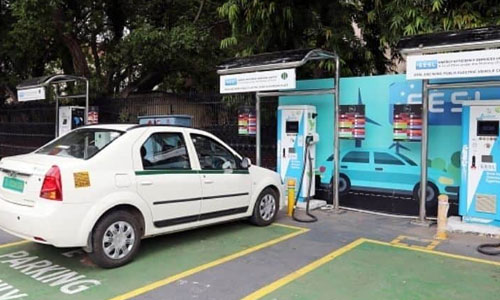
Petrol and diesel prices are increasing day in and day out. Every other day, there is a hike in petrol and diesel prices, making it difficult for lower-class and middle-class consumers to manage the rising cost. That's not how it is with EVs. EVs are budget-friendly options when it comes to fuel costs. Using electric cars means a lower fuel cost. The cost of charging EV cars at charging stations is relatively less than filling the tank of gas cars with fuel.
- In an EV, the fuel costs approximately Rs. 1 to 1.5 per kilometer when you charge it from EV charging points for three wheelers in Delhi. On average, EV owners spend around INR 2300/- per month for a distance of 1500 km.
- In contrast, the fuel cost for a gas-powered car is around INR 7-8 per km. This implies that if you drive 1500 km in a month, you will need to spend around INR 10,000 and INR 12,000 per month on fuel only. This is undoubtedly an extra burden to your pocket when compared to electric cars.
EV vs. Gas Car: Insurance Costs
This is one of the points wherein you may struggle to make a robust decision. It is because insurance for EVs is more expensive than gas-powered cars. This is because of their sophisticated machinery. Moreover, these cars are fixed or repaired by expert technicians. You cannot just take your damaged EV car to any garage. Plus, the replacement cost of the battery is also expensive. These factors make the premium of electric cars costlier compared to gasoline vehicles. However, the IRDA provides a 15% discount on the premium for green vehicles. This is a step toward building a sustainable future. By contrast, the premium for costlier gas-powered cars like luxury cars and SUVs is high because of no discounted premium.
EV vs. Gas Car: Depreciation and Resale Value
EVs depreciate faster than that of gas-powered cars. Typically, the lifespan of an electric battery is considered 5 years, whereas an internal combustion engine lasts between 10 and 15 years. Further, rapid advancements in EV car technology, such as fast charging capabilities and higher driving range, make older models outdated. Their resale value decreases faster. However, In the years ahead, you can expect a reduction in depreciation rates and an improvement in the resale value of electric cars. This is because of people's inclination toward eco-friendly automobile solutions and government initiatives towards green India.
EV vs. Gas Car: Battery Replacement Cost
These days, EV manufacturers are focusing on manufacturing durable and energy-efficient batteries. The battery prices in India range from INR 15,000 to INR 60,000. The price range varies depending on technological specifications and the battery capacity. However, most manufacturers offer a warranty of 8 years or 160,000 km, whichever comes first. If you use them with proper maintenance, their lifespan can extend 10-12 years.
The Bottom Line
So, there you have it: a detailed cost comparison between the two most popular vehicle options. Both EVs and gas cars make for a perfect solution for commuting. However, considering the environmental conditions, it is advisable to invest in an EV for a better future for yourself and your loved ones. EV is undoubtedly a perfect solution for having a budget-friendly vehicle. With affordable maintenance expenses, low fuel costs at numerous electric charging stations in Delhi, and government initiatives, electric cars make for the best option. So, if you are just planning to buy a new car to make your daily commute a breeze, then invest in an EV. However, it is crucial to ensure there are enough EV charging points for three-wheelers in Delhi or wherever you live.