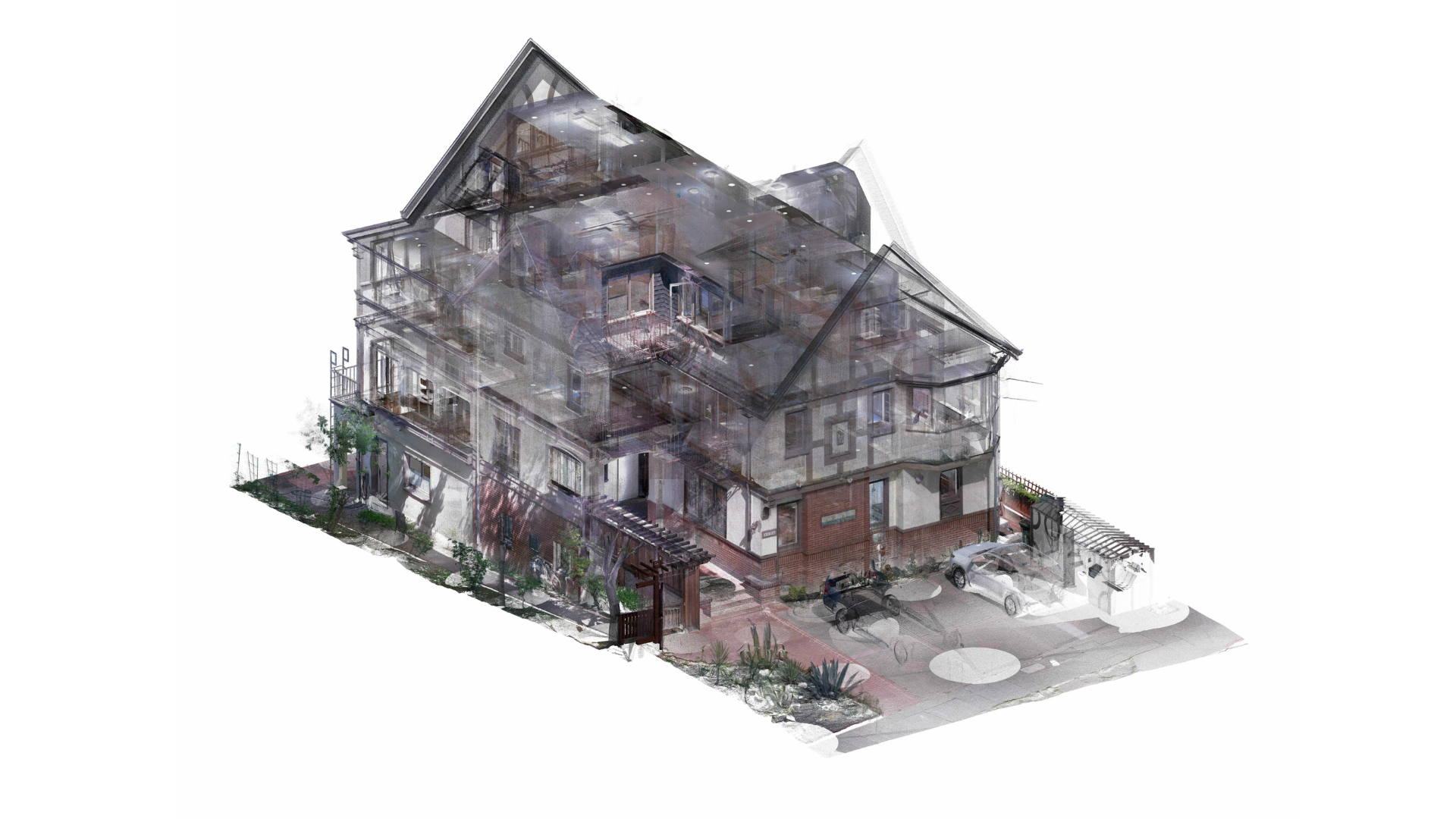
BIM, or Building Information Modeling, is a digital process that involves the generation and management of complex 3D models of buildings. Specifically, it allows for the integration of all data pertaining to design, construction, and operations, creating a single source of truth for all project stakeholders.
By using BIM, architects, engineers, and contractors can collaborate efficiently, reduce errors, and make informed decisions throughout the building's lifecycle. This technology allows for tasks such as clash detection, cost estimation, and scheduling, simplifying workflows and making projects more efficient.
Understanding BIM
Building Information Modeling (Read more bim-services-provider.com), or BIM as most know it, is much more than fancy 3D modeling software. Rather, it is indicative of a broader change in the way construction projects are planned, designed, and executed. BIM is a perfect marriage of technology and collaboration.
It allows everyone to collaborate on a single, unified, highly detailed model of the project, which can be quickly shared with all stakeholders. At its heart, BIM is a highly collaborative process that unites architects, engineers, contractors, and other important stakeholders.
Where other methods rely on a more traditional approach, BIM relies on a “database-first” approach. That’s because all the building information—design, materials, engineering calculations—can be found in a single, collective dataset. If an architect moves a wall, for example, the model reflects that change immediately.
This helps make sure that everyone is working off the same accurate and consistent information. This reduces the risk of miscommunication and allows the project to remain focused. The true value of BIM goes far beyond just producing models.
Now teams can identify potential clashes prior to construction even beginning. This is especially true in regards to conflicts between mechanical, electrical, and plumbing (MEP) systems. This proactive approach not only addresses potential issues before they occur, it eliminates delays, minimizes costly rework and expedites project timelines.
For example, a contractor can detect and correct clashing ductwork and electrical conduits in the model rather than in the field.
Key Features of BIM
Here are some key features that make BIM an invaluable asset in the Architecture, Engineering, and Construction (AEC) industry.
3D Modeling & Visualization
At its core, BIM allows for high-precision 3D modeling that layers additional data on top of traditional design. Further, it provides users with the capability to model true-to-life representations of buildings including structural elements, materials and finishes.
Architects use BIM technology to model walls, windows, and flooring down to the exact millimeter. This process ensures that the design meets the desired outcome of the client’s vision.
Visualization tools now offer realistic renderings that allow project owners to see design mistakes before construction begins. A developer planning a multi-story office building can explore the layout virtually, ensuring the space is functional before breaking ground.
Collaboration & Coordination
BIM encourages collaboration as information from architects, engineers, and contractors all feed into a single model. This common digital environment helps make certain that all stakeholders are operating off the same information.
Cloud-based platforms make it easy to update information in real-time, breaking down silos and enhancing communication between teams. A contractor in Chicago, for instance, can instantly access changes made by an architect in New York, avoiding delays caused by outdated plans.
Data Management
BIM centralizes all project information, maintaining up-to-date information regarding materials, sizes, expected maintenance plans, etc. Facility managers can utilize this data after construction to help inform future repair or renovation planning.
Cost & Time Estimation
BIM incorporates cost and time data, creating efficiencies in budgeting and scheduling. By connecting materials to cost, it delivers realistic cost estimates at an early stage of design.
For instance, a residential project can easily estimate costs for flooring, paint, and fixtures, allowing homeowners to remain within budgetary constraints. Time estimation tools allow for accurate, detailed construction schedules, which minimize costly delays.
BIM Levels: The Digital Ladder of Construction
BIM levels are more than just industry terms—they show how well a construction team uses digital tools. Think of it like climbing a ladder. Each step up means better teamwork, smoother workflows, and fewer mistakes. The higher you go, the smarter and more efficient your projects become.
Level 0: The Starting Point
At Level 0, BIM is barely there. Blueprints, 2D CAD drawings, and standalone files dominate. It’s the most basic approach—useful for simple projects but tough for collaboration. Updates often get lost, and sharing information feels like a game of telephone. Many small firms start here, relying on traditional drafting software to get the job done.
Level 1: The First Digital Step
Level 1 introduces a mix of 2D drawings and early 3D models. File management improves, and teams start using a shared digital space to organize data. It’s like moving from paper maps to an online GPS—suddenly, navigation gets easier. Many U.S. firms work at this stage, balancing old habits with new technology.
Level 2: Collaboration Gets Real
At Level 2, BIM steps up. 3D models aren’t just for visuals—they hold key project data. Architects, engineers, and contractors each build their own models, then merge them regularly. Imagine a band recording separate tracks before blending them into one seamless song. Everyone stays on the same page, reducing errors and rework. The U.S. government now requires Level 2 BIM for many public projects, proving its importance.
Level 3: Real-Time, Seamless Integration
Level 3 is the future. One shared model. Real-time updates. Everyone—from designers to contractors—works in a single digital space, making changes instantly. Think of Google Docs but for entire buildings. No outdated versions. No communication gaps. Just a streamlined, live collaboration system. While few companies have fully reached this stage, many are on their way.
Benefits of BIM
Better Accuracy & Fewer Errors
The bottom line is that BIM reduces costly errors on construction projects by a huge margin. By linking 2D drawings to 3D models, teams are able to see where conflicts may arise and solve them before they get to the job site. For example, collision detection tools bring to light possible conflicts between systems such as plumbing and electrical designs.
BIM enables highly detailed material takeoffs—offering a deeper dive into quantity, length, type, and other attributes that describe what materials will be needed. With this level of detail, projects are able to remain within budget and on schedule.
Improved Communication
Communicating clearly is key in the construction space, and BIM is the best tool at ensuring this happens. It brings all project data together in a common model, so everyone—from architects to contractors—has access to the same up-to-date information. This reduces the potential for miscommunication and makes working together simpler.
As one example, with BIM project stakeholders can see designs in 3D, enabling more productive conversations about design changes or improvements. Teams can further take advantage of BIM to simulate site conditions to give more of an accurate picture of how each phase will play out.
Faster Project Delivery
BIM speeds up project timelines through enhanced coordination and planning. Equipped with tools that streamline scheduling and cost estimating, teams can better simulate project timelines and allocate resources accordingly. With a detailed visualization of the construction process, teams can avoid unnecessary interruptions and ensure progress is always moving forward.
Lifecycle Building Management
BIM goes far beyond just the construction aspect, aiding in facilities management and operations. Linkable attribute data embedded within the model lets planners get smart about their maintenance schedules, energy consumption, and major system upgrades.
For instance, a facility manager can monitor HVAC system performance or schedule renovations while avoiding disruption to operations.
Industries Using BIM
Building Information Modeling (BIM) has emerged as a foundational element within the Architecture, Engineering, Construction, and Operation (AECO) sector. Its potential to optimize workflows, lower expenditures, enhance communication, and provide data-driven insights has rendered it invaluable in numerous fields.
Architecture
In architecture, BIM improves the design process by allowing architects to accurately visualize buildings and infrastructure before they are built. For instance, BIM helps architects visualize energy efficiency and material usage.
When something needs to be modified, it can be adjusted directly on the design model in true time, keeping documentation 100% accurate and up to date.
MEP & Structural Engineering
Mechanical, electrical, and plumbing (MEP) engineers, as well as structural engineers, use BIM to prevent costly clashes between systems. By modeling these systems in a collaborative 3D environment, professionals can identify and address conflicts at an early stage.
In turn, this cuts down on delays and the need for any rework. For example, catching overlapping ductwork or electrical conduits in the design phase saves time and money.
Construction & Contractors
BIM benefits contractors with improved analysis of project costs and schedules. Having detailed models means knowing what a project will involve in terms of quantities, phasing, and logistics, eliminating many expensive delays.
For instance, contractors can leverage BIM to better coordinate deliveries to ensure materials arrive on-site when they’re needed. Their increased capacity to collaboratively share these models with other stakeholders enhances overall project communication and accelerates decision-making—all helping to keep projects on schedule.
Facility Management
Beyond construction, BIM is an invaluable tool in facility management. It produces a digital twin of the building that deepens understanding of energy use, informs maintenance planning and supports renovation efforts.
Facility managers will have immediate access to detailed records of materials and systems, allowing for more efficient management and lower costs in the long term.
Infrastructure & Civil Engineering
Not just buildings, but infrastructure projects like roads, bridges, and water systems are increasingly utilizing BIM. Civil engineers use it to model existing and proposed terrain to determine impacts on flooding, simulate traffic flow and emissions, and analyze environmental impacts.
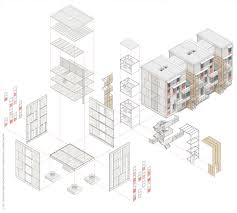
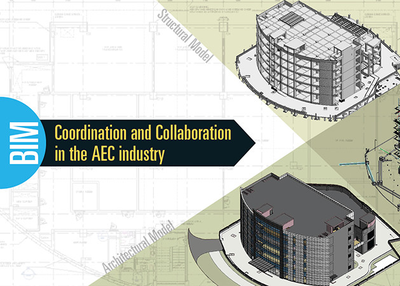
BIM is the future trend in AEC industry. Adoption of the BIM modeling in construction project improved the project coordination, better building design, project sequencing & scheduling, and get better cost-estimation. Want to know how the BIM services collaborate in AEC industry?