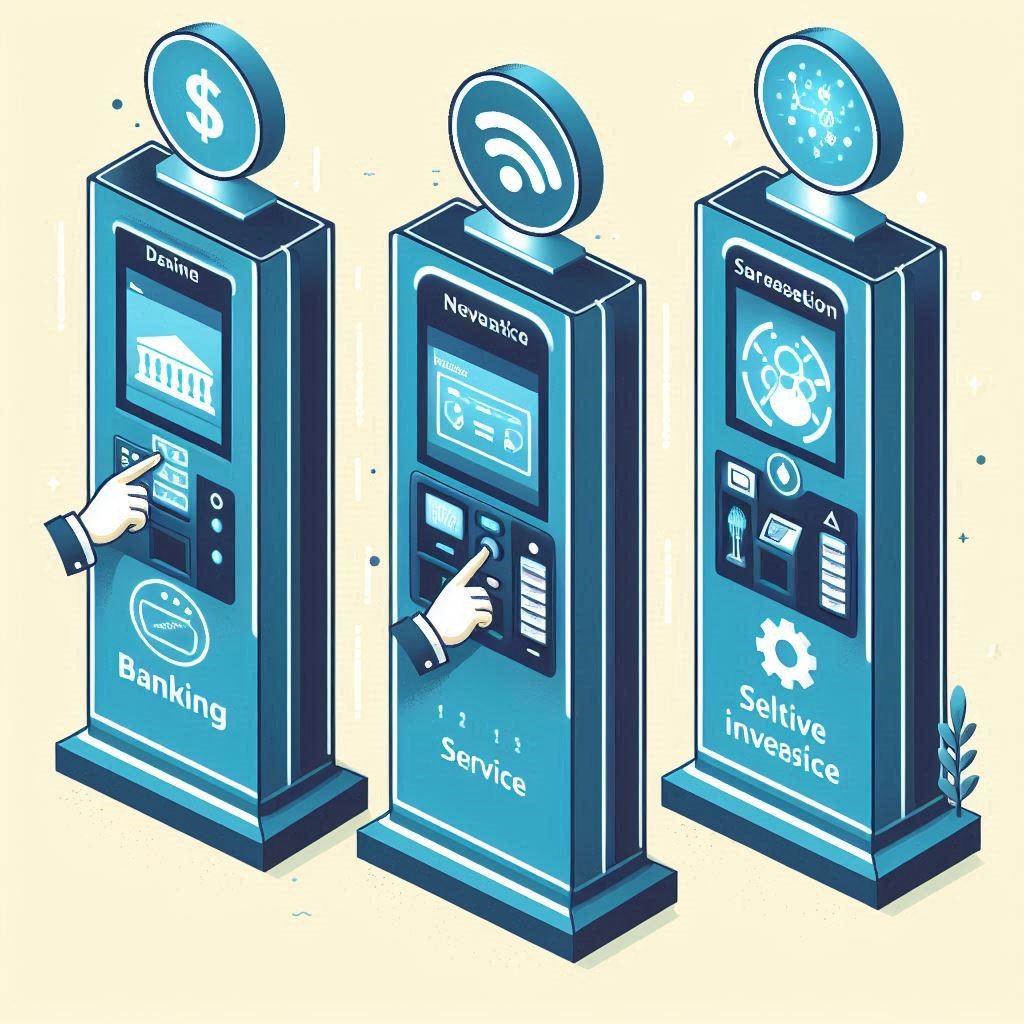
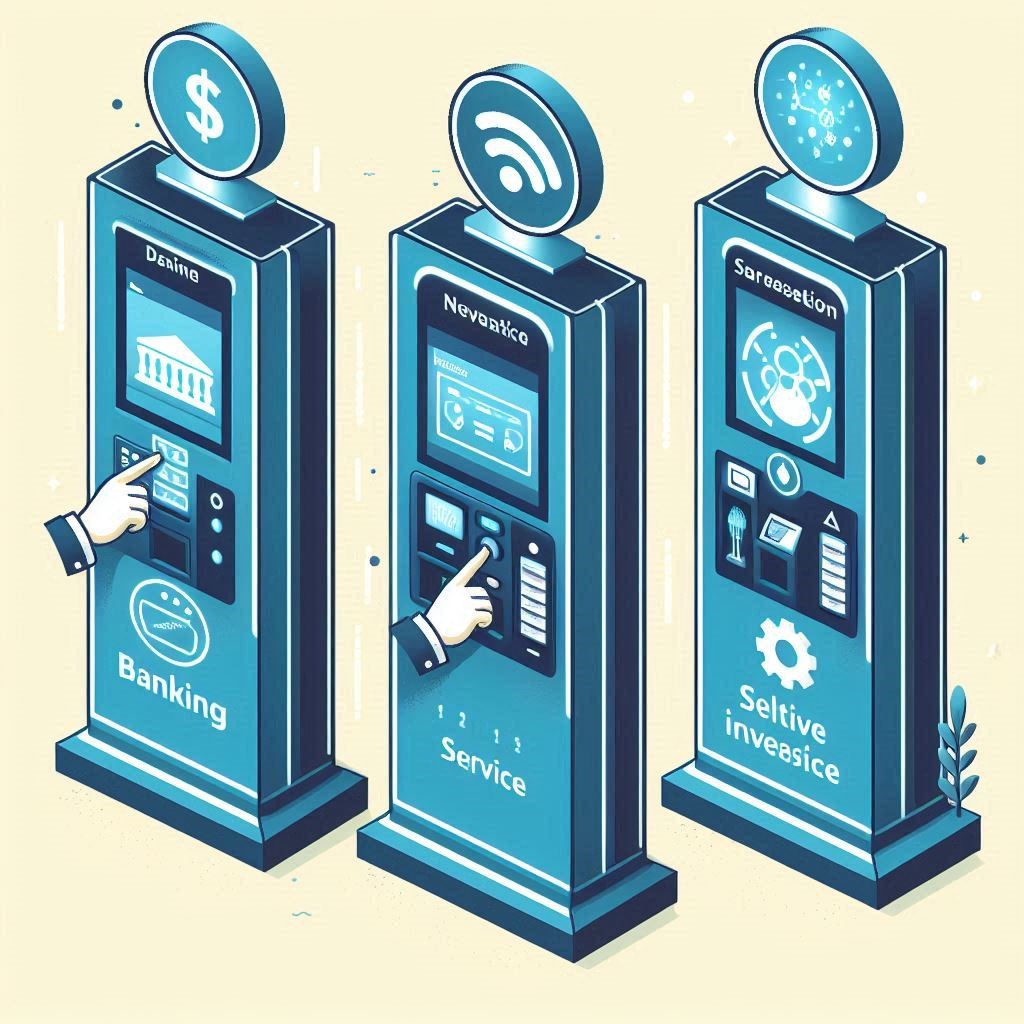
As businesses continue to adapt to the digital age, the adoption of interactive touch screen kiosks has become a game-changer in improving customer experience, streamlining operations, and enhancing business efficiency. These self-service kiosks, equipped with intuitive touch interfaces, have proven to be valuable assets for businesses across various sectors, from retail and hospitality to healthcare and transportation. Let’s explore the key benefits these interactive kiosks offer to modern businesses.
1. Enhanced Customer Experience
Interactive touch screen kiosks provide customers with the freedom to interact with a business at their own pace, offering a self-service experience that is both convenient and efficient.
In retail, customers can use kiosks to check product availability, find detailed product information, and even place orders, all without waiting in line for assistance. In restaurants, kiosks allow customers to browse menus, customize their orders, and pay bills with minimal interaction with staff, which reduces wait times and enhances customer satisfaction.
With kiosks providing quick, seamless, and personalized services, businesses create a positive, efficient customer experience that boosts loyalty and increases engagement.
2. Increased Operational Efficiency
One of the major benefits of interactive touch screen kiosks is their ability to automate repetitive tasks, which reduces the workload for employees and enhances overall operational efficiency. By enabling customers to complete tasks independently, such as ordering, checking in, or processing payments, businesses can free up staff to handle more complex or high-value tasks.
For example, in airports, kiosks enable travelers to check in, print boarding passes, and even make changes to their flights without needing to stand in line. Similarly, in banks, kiosks allow customers to complete simple transactions like withdrawing cash, transferring funds, or checking account balances without assistance.
This automation not only improves speed but also optimizes resource allocation, allowing businesses to operate more efficiently.
3. Reduced Labor Costs
By providing self-service options, interactive kiosks help businesses reduce the need for extensive human labor for routine tasks. This can result in significant cost savings in sectors such as retail, hospitality, and banking, where labor costs can be a substantial expense.
In restaurants, for example, customers can order and pay via kiosks, reducing the need for servers to take orders manually or handle payments. In healthcare, kiosks streamline administrative tasks like patient check-in and payment processing, which reduces the burden on receptionists and administrative staff.
Ultimately, kiosks help businesses optimize their workforce, allowing staff to focus on more critical tasks while maintaining high service standards.
Download PDF Brochure @ https://www.marketsandmarkets.com/pdfdownloadNew.asp?id=221409707
4. Greater Flexibility and Accessibility
Interactive kiosks provide customers with round-the-clock access to services, offering greater flexibility for businesses and customers alike. 24/7 availability is particularly beneficial for businesses like airports, hospitals, gas stations, and public transportation, where services must be accessible at all times.
For example, at hospitals, kiosks allow patients to check in or make appointments even after hours, improving patient flow and reducing wait times. In gas stations, kiosks provide a quick and convenient way for customers to pay for gas and snacks without having to wait in line at the cashier.
By operating continuously without human intervention, kiosks ensure that services are always available, accommodating customers' schedules and enhancing service availability.
5. Personalized Customer Interactions
Modern interactive kiosks can be equipped with advanced software that allows them to deliver personalized experiences based on customer data, preferences, and past interactions. By gathering insights from customer behaviors, kiosks can suggest products, services, or promotions that are tailored to the individual user.
In retail, kiosks can recommend additional items based on a customer’s previous purchases or browsing history. In hotels, kiosks can greet guests by name and provide tailored room options or amenities based on loyalty program data.
By offering personalized services, kiosks create a more engaging and satisfying experience, which can foster customer loyalty and improve sales.
6. Real-Time Data Collection and Analytics
Interactive kiosks are an excellent tool for collecting real-time data about customer preferences, behavior, and transaction patterns. This data can be leveraged by businesses to gain valuable insights into consumer trends, improve marketing strategies, and optimize operational workflows.
For example, in retail, kiosks can track the popularity of products, allowing businesses to adjust inventory levels or update product displays based on customer demand. In transportation, kiosks can provide real-time information on passenger traffic, which can help businesses improve scheduling and staffing.
By providing data-driven insights, interactive kiosks enable businesses to make informed decisions and continually optimize their operations.
7. Increased Brand Visibility and Engagement
Interactive kiosks can be used to enhance brand visibility and engage customers in creative ways. Through engaging touch interfaces, kiosks can display promotions, videos, and other marketing content that promotes brand awareness.
In shopping malls, kiosks can serve as interactive directories, guiding customers to stores while showcasing relevant deals and offers. In entertainment venues, kiosks can be used to provide information on upcoming events, offer exclusive discounts, and gather feedback from customers.
By providing an interactive and visually engaging experience, kiosks allow businesses to boost brand recognition and strengthen customer engagement.
8. Enhanced Security and Reduced Human Error
Interactive kiosks help improve security and accuracy in business operations. By automating tasks like payments, check-ins, or transactions, businesses reduce the likelihood of human error, ensuring that customer information and processes are handled correctly.
In banking, kiosks can perform secure transactions, such as withdrawing money or depositing checks, with minimal human involvement, reducing the risk of fraud or errors. In hospitals, kiosks can verify patient information with barcode scanning or biometric authentication, ensuring that data is accurately captured and reducing the risk of mistakes.
By enhancing security and reducing human error, interactive kiosks ensure that business operations run smoothly and safely.
9. Contactless and Hygienic Solutions
In the post-pandemic world, customers are increasingly looking for contactless solutions to minimize the spread of germs and ensure hygiene. Interactive kiosks are ideal for providing touchless service, allowing customers to complete transactions or access services without needing to physically interact with staff or shared surfaces.
The global interactive kiosk market was valued at USD 31.8 billion in 2023 and is projected to reach USD 48.8 billion by 2029; it is expected to register a CAGR of 8.9%
With contactless technology such as QR codes, NFC (Near Field Communication), or voice recognition, customers can use kiosks safely while maintaining hygiene standards. This is particularly important in industries like healthcare, foodservice, and transportation, where sanitation is a priority.
By offering touchless and hygienic options, interactive kiosks help businesses create a safer environment for both customers and staff.
Interactive touch screen kiosks are transforming how businesses operate and interact with customers. From improving efficiency and reducing costs to enhancing customer experiences and data collection, these kiosks are a powerful tool for modern businesses. As industries continue to evolve, kiosks will play an increasingly important role in shaping business operations, improving service delivery, and driving customer satisfaction.
By adopting interactive touch screen kiosks, businesses can stay competitive, improve operational performance, and provide exceptional service in an ever-changing digital world.


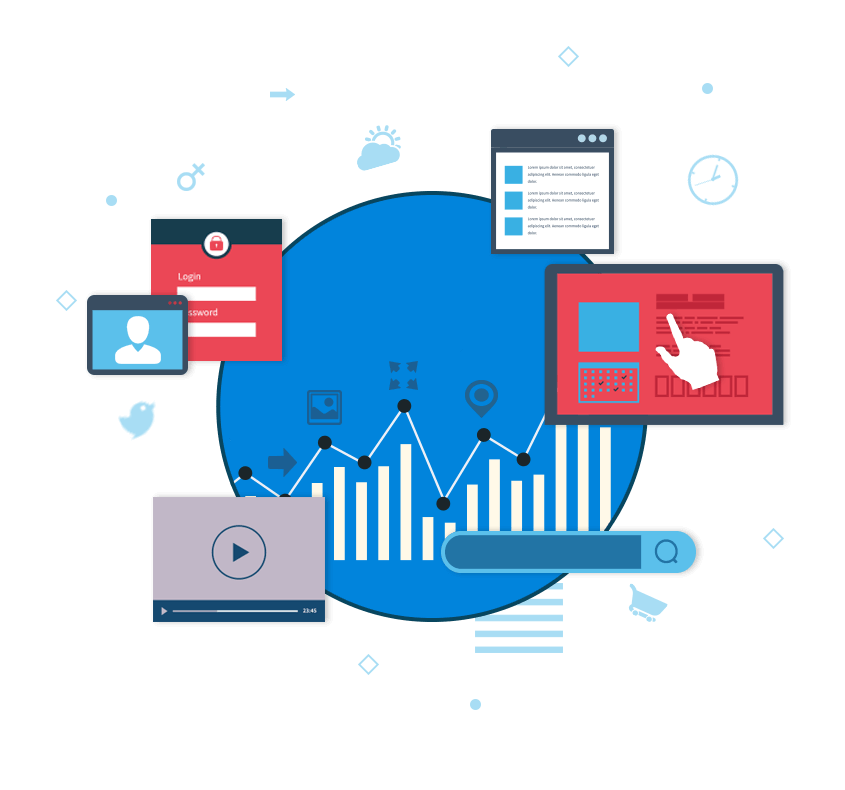
Do you need to make a presentation to impress customers or your colleagues and bosses?
Before you use the same slideshow software, you may want to consider an alternative that can make your presentations more effective.
Digital signage software can make what you want to say, show, or sell more impressive as it adds interactivity to it.
With an interactive touch screen, use the software to make your content and present it in an engaging and enticing way that will thrill your audience and make them pay attention.
By incorporating the latest interactive technologies to your presentations, you can be more flexible in whatever you need show, from sales pitches to corporate presentations and exhibits.
It lets you use your own content and data, make presentations from scratch or use any available, customizable templates.