


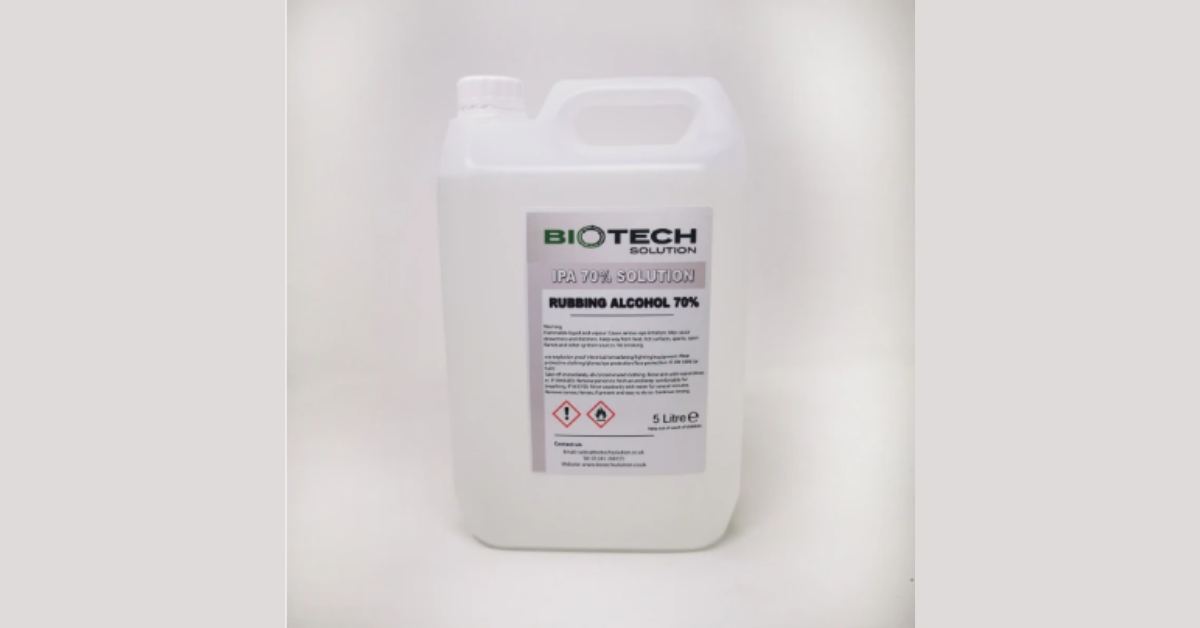
Isopropyl alcohol is a versatile chemical widely used for cleaning, disinfecting, and industrial applications. Known for its strong antiseptic properties, it plays a crucial role in healthcare, manufacturing, and household cleaning. Whether for sterilizing medical equipment or removing stubborn stains, this compound is a go-to solution.
In this guide, we’ll explore its various applications, benefits, and safety precautions.
What Is Isopropyl Alcohol?
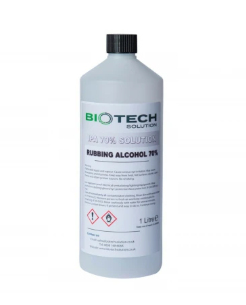
Isopropyl alcohol, also called rubbing alcohol, is a colorless, flammable liquid with a strong odor. It is made by combining water and propene, usually derived from fossil fuels. This chemical has antimicrobial properties, making it an excellent disinfectant and cleaning agent.
Chemical Properties of Isopropyl Alcohol
- Formula: C₃H₈O
- Boiling Point: 82.6°C (180.7°F)
- Density: 0.786 g/cm³
- Solubility: Fully soluble in water and many organic solvents
Common Uses of Isopropyl Alcohol
Medical and Healthcare Applications
Hospitals and clinics rely on isopropyl alcohol for sterilization and hygiene. Some key uses include:
- Wound Cleaning: It helps prevent infections by killing bacteria and viruses.
- Medical Equipment Sterilization: Used to disinfect thermometers, stethoscopes, and surgical tools.
- Hand Sanitizers: Many sanitizers contain isopropyl alcohol as a key ingredient.
Household Cleaning and Disinfection
Many people use isopropyl alcohol for household cleaning because of its powerful disinfectant properties. It effectively removes germs, dirt, and stains from various surfaces.
- Sanitizing Kitchen Counters and Bathrooms
- Removing Sticky Residues and Stains
- Cleaning Electronic Devices like Phones and Keyboards
Industrial and Laboratory Use
Industries use isopropyl alcohol in various manufacturing and laboratory processes.
- Electronics Manufacturing: It cleans delicate electronic parts without damaging them.
- Automobile Industry: Used for removing grease, oil, and adhesives from car surfaces.
- Paint Thinner and Adhesive Remover: Helps dissolve paint and glue residues.
Cosmetics and Personal Care
Many beauty and skincare products include isopropyl alcohol as a key ingredient.
- Aftershaves and Astringents: Helps to tighten skin and reduce oiliness.
- Makeup Brush Cleaner: Dissolves makeup residues and kills bacteria.
- Deodorants and Perfumes: Used as a solvent to blend ingredients smoothly.
Benefits of Isopropyl Alcohol
Strong Antimicrobial Properties
Isopropyl alcohol effectively eliminates bacteria, viruses, and fungi, making it a trusted disinfectant.
Fast Drying and Residue-Free
Unlike water-based cleaners, it evaporates quickly without leaving streaks.
Affordable and Readily Available
It is cost-effective and easily accessible in drugstores and supermarkets.
Safe for Various Surfaces
It can be used on glass, plastic, metal, and fabric without causing damage.
Versatile in Different Industries
From medical to industrial use, its applications are extensive.
How to Use Isopropyl Alcohol Safely?
Despite its benefits, isopropyl alcohol must be used with caution. Here are some important safety measures:
Proper Ventilation
Since isopropyl alcohol has strong fumes, always use it in well-ventilated areas.
Keep Away from the Flames
It is highly flammable, so avoid using it near open flames, stoves, or candles.
Avoid Skin Overexposure
Prolonged contact can cause skin dryness and irritation. Use gloves when handling large amounts.
Store in a Cool, Dry Place
Always keep isopropyl alcohol away from heat sources and direct sunlight.
Do Not Ingest
It is toxic when swallowed and should never be consumed.
How to Choose the Right Isopropyl Alcohol Percentage?
Different concentrations serve different purposes.
- 70% Isopropyl Alcohol: Best for disinfecting surfaces and skin. It retains moisture and kills bacteria effectively.
- 90%-99% Isopropyl Alcohol: Used for industrial cleaning, electronics, and degreasing. It evaporates quickly but is less effective against germs.
Tip: For general household use, 70% concentration is ideal.
Frequently Asked Questions (FAQs)
Can Isopropyl Alcohol Kill Viruses?
Yes, 70% isopropyl alcohol can kill many viruses, including flu and coronaviruses, by breaking down their proteins.
Is It Safe to Use on Skin?
In small amounts, yes. However, excessive use can cause dryness and irritation.
Can I Use It on Electronics?
Yes, but apply it to a cloth first instead of directly spraying onto devices.
Does Isopropyl Alcohol Expire?
Over time, it may lose potency due to evaporation. Store it in a sealed container for long-lasting effectiveness.
What’s the Best Substitute for Isopropyl Alcohol?
Ethanol or hydrogen peroxide can be used as alternatives, but they have different properties.
Conclusion
Isopropyl alcohol is a powerful disinfectant with multiple uses in medical, industrial, and household settings. It’s an affordable and effective solution for cleaning and sterilization. However, proper safety measures must be followed to avoid risks.
For everyday cleaning and sanitization, 70% isopropyl alcohol is the best choice. Whether for disinfecting surfaces, cleaning electronics, or medical applications, this chemical remains a trusted solution.
Would you like more details on specific uses? Drop your questions in the comments!
In this time when the pandemic is knocking on everyone’s door, things have grown serious.
Nobody knows how and when it will strike.
As many healthcare centers are suggesting appropriate measures and maintaining social distancing but still one must be one step ahead and start by introducing sanitization and disinfectant habits.
Read Full Article:- Disinfectants one must know about