
Plastic straws are widely used worldwide, but they have become a major environmental concern. Every day, millions of these disposable items end up in landfills and oceans, causing severe damage to marine life. While convenient, they contribute significantly to plastic pollution. This article explores the effects of plastic straws, their environmental impact, and the best alternatives available today.
How Plastic Straws Affect the Environment
1. Contribution to Plastic Pollution
Over 500 million plastic straws are used in the U.S. alone every day. Most of them are not recycled due to their small size and lightweight nature. Instead, they end up in oceans, where they break down into microplastics, posing a serious threat to marine ecosystems.
2. Harm to Marine Life
Sea turtles, seabirds, and fish often mistake plastic straws for food. A study by the Ocean Conservancy found that over 1 million seabirds and 100,000 marine animals die each year due to plastic pollution. In one of the most shocking cases, a viral video showed a sea turtle suffering from a plastic straw stuck in its nostril.
3. Long Decomposition Time
Unlike biodegradable materials, plastic straws take around 200 years to decompose. Even after breaking down, they turn into tiny plastic particles that remain in the environment for centuries.
Why Plastic Straws Are a Problem for Humans
1. Health Risks of Plastic Consumption
Microplastics from plastic straws can enter the food chain. Research shows that an average person consumes about 5 grams of plastic weekly, which is equivalent to eating a credit card. Long-term exposure to plastic chemicals can lead to serious health issues.
2. Waste Management Challenges
Due to their small size, plastic straws are difficult to recycle. Most recycling plants do not process them, leading to an increase in landfill waste. With the world generating over 300 million tons of plastic waste annually, reducing unnecessary plastic items is crucial.
3. Economic Costs of Plastic Pollution
Cleaning up plastic waste costs governments billions of dollars. The U.S. alone spends about $11 billion per year on cleaning up plastic pollution. Reducing the use of plastic straws can significantly lower these expenses.
Best Alternatives to Plastic Straws
1. Stainless Steel Straws
Durable and reusable, stainless steel straws are one of the best alternatives to plastic straws. They are easy to clean and last for years, making them a cost-effective choice.
2. Bamboo Straws
Bamboo straws are biodegradable and eco-friendly. They are lightweight, making them a great alternative for people on the go.
3. Glass Straws
Glass straws are a stylish and sustainable replacement for plastic straws. They do not alter the taste of drinks and are dishwasher-safe. However, they require careful handling due to their fragility.
4. Silicone Straws
Soft and flexible, silicone straws are ideal for children and individuals with disabilities. They are reusable and can withstand both hot and cold beverages.
5. Paper Straws
Paper straws decompose quickly, reducing their environmental impact. However, they can become soggy in liquids, which makes them less durable than other alternatives.
The Global Movement to Ban Plastic Straws
1. Government Regulations
Many countries have taken steps to ban or restrict plastic straws. For example:
- The European Union banned single-use plastics, including straws, in 2021.
- Canada implemented a ban on plastic straws in 2023.
- Several U.S. states, including California and New York, have restrictions on plastic straws in restaurants.
2. Corporate Actions
Major companies are also moving away from plastic straws:
- Starbucks replaced plastic straws with strawless lids and paper alternatives.
- McDonald's switched to paper straws in many countries.
- American Airlines eliminated plastic straws on their flights.
These actions demonstrate a growing commitment to reducing plastic waste.
How You Can Reduce Plastic Straw Usage
1. Refuse Single-Use Straws
Simply saying “no” to plastic straws at restaurants and cafes can make a difference.
2. Carry Reusable Straws
Invest in stainless steel, glass, or silicone straws to avoid using disposable ones.
3. Support Businesses That Use Alternatives
Choose businesses that have switched to eco-friendly options. Your spending habits can influence larger environmental changes.
4. Spread Awareness
Educate others about the dangers of plastic straws. Sharing information can encourage more people to make sustainable choices.
The Future of Plastic-Free Living
The shift away from plastic straws is just the beginning. As more people adopt sustainable habits, industries and governments will continue to promote eco-friendly solutions. By making small changes, individuals can contribute to a cleaner, healthier planet.
Final Thoughts
While plastic straws may seem like a small issue, their environmental impact is significant. Choosing sustainable alternatives, supporting bans, and spreading awareness can lead to a major reduction in plastic waste. The future depends on responsible choices today.




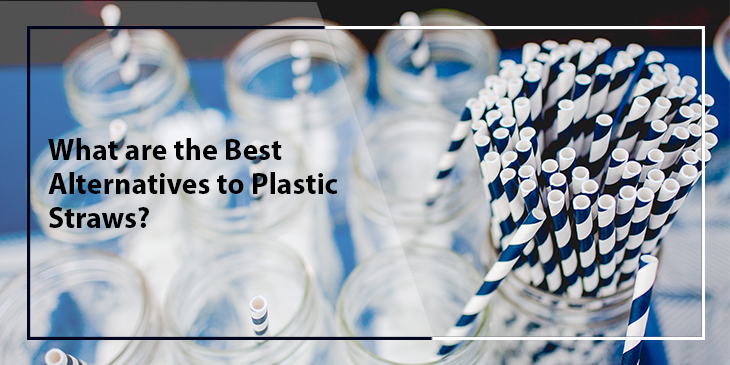
There is no doubt the eco-friendly paper straws aren't as hurtful as plastic straws.
Plastic straws (which are single-use things) become a big issue for the earth after they are thrown out.
The majority of plastic straws make the environment full of pollution.