


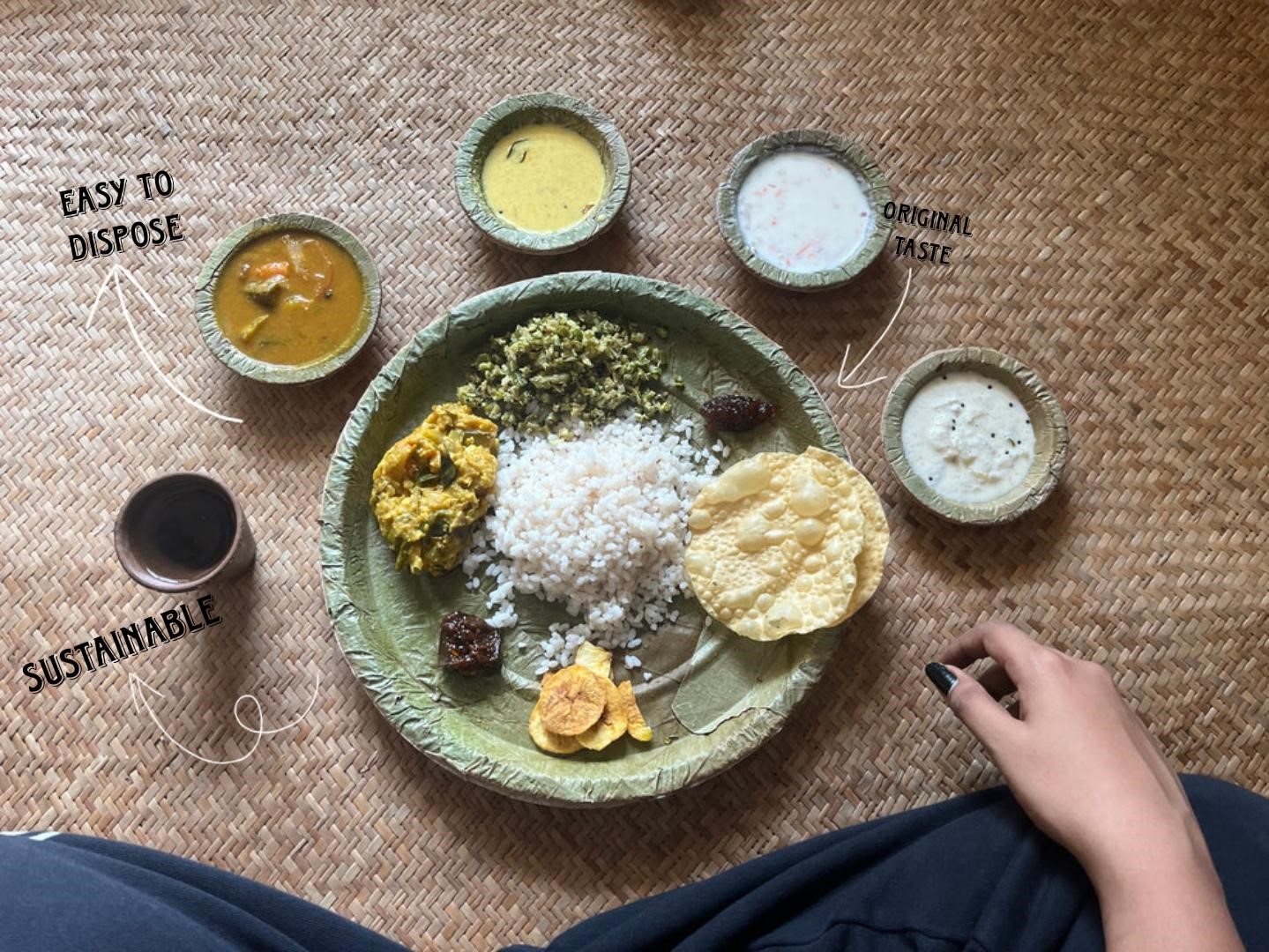
Natural Disposable Plates: A Return to Eco-Friendly Traditions
In the quest for sustainable living, the use of natural disposable plates, such as patravali plates, represents a significant step forward. These plates, traditionally made from leaves, are not only biodegradable but also embody a return to eco-friendly traditions. Patravali plates have been used for centuries in various cultures, particularly in India, where they are known as "patravali" or "patra." The plates are crafted from leaves of plants such as banana, sal, or banyan trees, which are abundant and renewable resources.
The process of making patravali plates is simple yet effective. Leaves are stitched together using small wooden sticks or natural fibers to form a sturdy plate. This method ensures that the plates are entirely natural and free from any synthetic materials. The use of natural disposable plates eliminates the need for chemical processing, reducing the environmental footprint associated with their production. This simplicity not only makes them accessible but also ensures that they remain affordable for a broad audience, making sustainable choices available to more people.
Moreover, these plates are compostable, breaking down naturally in the environment without leaving harmful residues. This characteristic aligns perfectly with the principles of zero waste living, as it minimizes waste generation and promotes the recycling of organic materials. By opting for patravali plates, individuals can significantly reduce their reliance on single-use plastic products, which are notorious for polluting the environment. The transition to such natural alternatives is a small yet impactful step towards a more sustainable future, where the focus is on reducing waste and fostering a culture of environmental responsibility.
In addition to their environmental benefits, patravali plates also offer cultural significance. They are deeply rooted in traditions that respect and honor nature. By using these plates, individuals are not only contributing to environmental conservation but are also participating in a cultural practice that emphasizes the importance of living harmoniously with the earth. This cultural dimension adds an enriching layer to the dining experience, reminding us of the interconnectedness of our actions and the environment.
Reduce Plastic Pollution: A Step Towards Cleaner Oceans and Lands
Plastic pollution is a pressing environmental issue that affects ecosystems across the globe. The widespread use of plastic products, particularly single-use items like plates and cutlery, has led to an accumulation of plastic waste in oceans and landfills. This pollution poses a severe threat to marine life, wildlife, and human health. By choosing patravali plates, individuals can play a crucial role in reducing plastic pollution and its detrimental effects.
Patravali plates offer a sustainable alternative to plastic plates, which often end up in landfills or as marine debris. Unlike plastic, which can take hundreds of years to decompose, patravali plates decompose naturally within a few weeks. This rapid decomposition process prevents the accumulation of waste and reduces the burden on waste management systems. The quick breakdown of these plates ensures that they do not contribute to the long-term environmental damage that is characteristic of plastic waste.
Furthermore, the use of patravali plates can help mitigate the release of microplastics into the environment. Microplastics, tiny plastic particles that result from the breakdown of larger plastic items, have been found in oceans, rivers, and even drinking water. These particles pose a significant threat to aquatic life and can enter the food chain, ultimately affecting human health. By reducing the demand for plastic plates, patravali plates contribute to the prevention of microplastic pollution. This prevention is critical not only for the health of marine ecosystems but also for the well-being of human populations that rely on these ecosystems for food and livelihood.
The shift from plastic to patravali plates represents a broader movement towards reducing our dependency on synthetic materials. It reflects a growing awareness of the need to adopt sustainable practices that prioritize the health of our planet. This shift is not just about replacing one product with another; it's about changing our mindset and approach to consumption. By embracing natural alternatives, we can pave the way for a future where our actions are more aligned with the principles of sustainability and environmental stewardship.
Sustainable Kitchenware: Embracing Eco-Conscious Living
The adoption of sustainable kitchenware is an essential aspect of eco-conscious living. Patravali plates exemplify sustainable kitchenware by offering an environmentally friendly alternative to conventional disposable plates. These plates are not only functional but also aesthetically pleasing, adding a touch of natural elegance to any dining experience.
Using patravali plates in everyday life encourages a shift towards more sustainable consumption patterns. It promotes the idea of using products that are in harmony with nature, supporting the preservation of natural resources. The production of patravali plates requires minimal energy and resources compared to plastic plates, making them a more sustainable choice. This minimal resource requirement is a crucial factor in their sustainability, as it reduces the overall environmental impact associated with their production and disposal.
Additionally, patravali plates support local economies and traditional craftsmanship. By purchasing these plates, consumers contribute to the livelihoods of artisans who create them, fostering a sense of community and cultural preservation. This aspect of patravali plates aligns with the broader goals of sustainable development, which emphasize social, economic, and environmental well-being. Supporting local artisans not only helps preserve traditional skills and knowledge but also strengthens local economies, creating a positive feedback loop that benefits both people and the planet.
The use of sustainable kitchenware like patravali plates is a testament to the growing movement towards conscious consumption. It reflects a desire to make choices that are not only good for the environment but also beneficial for society as a whole. By choosing products that are sustainably sourced and ethically produced, consumers can make a positive impact on the world around them. This impact extends beyond the individual, influencing communities and inspiring others to make similar choices. In this way, the adoption of sustainable kitchenware becomes a powerful tool for change, driving the transition towards a more sustainable and equitable future.
Promoting Zero Waste Living: A Holistic Approach to Sustainability
Zero waste living is a holistic lifestyle approach that aims to minimize waste generation and maximize resource efficiency. The use of patravali plates is an integral part of this movement, as it supports the reduction of waste at its source. By choosing natural disposable plates, individuals can significantly decrease their environmental impact and contribute to a more sustainable future.
Zero waste living encourages individuals to rethink their consumption habits and make conscious choices that prioritize sustainability. Patravali plates align with this philosophy by offering a practical solution to the problem of disposable waste. They exemplify the principles of reduce, reuse, and recycle, as they are made from renewable resources, can be reused multiple times, and decompose naturally. This alignment with zero waste principles makes them an ideal choice for those looking to minimize their environmental footprint and live more sustainably.
Moreover, the adoption of patravali plates can inspire broader changes in consumer behavior. By demonstrating the viability of sustainable alternatives, individuals can influence others to make similar choices, creating a ripple effect that extends beyond individual actions. This collective effort is essential for achieving the larger goals of environmental conservation and sustainability. As more people adopt zero waste practices, the demand for sustainable products like patravali plates will continue to grow, driving innovation and encouraging the development of new eco-friendly solutions.
Zero waste living is not just about reducing waste; it's about reimagining our relationship with the environment and making choices that reflect our values. By embracing a zero waste lifestyle, individuals can play a pivotal role in creating a more sustainable world. This lifestyle shift requires a commitment to ongoing learning and adaptation, as well as a willingness to challenge the status quo. However, the rewards are immense, offering the promise of a healthier planet and a more sustainable future for generations to come.
Conclusion: The Future of Eco-Friendly Dining
The environmental impact of patravali plates is overwhelmingly positive, offering a sustainable solution to the challenges posed by plastic pollution and waste generation. By embracing natural disposable plates, individuals can contribute to a cleaner, healthier planet and support the transition towards zero waste living. The use of patravali plates represents a return to eco-friendly traditions, a commitment to reducing plastic pollution, and an embrace of sustainable kitchenware. As more people adopt these practices, the future of eco-friendly dining looks promising, paving the way for a more sustainable and harmonious relationship with the environment.
The journey towards eco-friendly dining is a collective effort that requires the participation of individuals, communities, and businesses alike. By choosing sustainable alternatives like patravali plates, we can set a powerful example for others to follow, inspiring a movement towards more conscious and responsible consumption. This movement is not just about changing our habits; it's about transforming our values and priorities to reflect a deeper respect for the environment and a commitment to leaving a positive legacy for future generations.
As we look to the future, the potential for eco-friendly dining to reshape our relationship with food and the environment is immense. By embracing sustainable practices and supporting innovations in eco-friendly products, we can create a dining culture that prioritizes sustainability and celebrates the beauty of nature. This cultural shift is essential for addressing the environmental challenges we face and ensuring a healthier, more sustainable world for all.



Energy saving bulb emits about 5 times less heat to the environment than traditional incandescent bulbs, and produces the same amount of light.
plastic plates or Cutlery, or disposable cameras.
If you like taking pictures, buy a digital camera and instead call every movie with stationary in General, to print only the good photos (if at all you need to do it).
Having your own printer is also useless, you should use the services of specialized companies that do this.
Thus, to facilitate energy providers in the planning of electricity production, which will reduce coal consumption.
if you are going to use the air conditioner cool the house in the morning and at noon, the second rate, allowing him to heat up in the second half of the day