





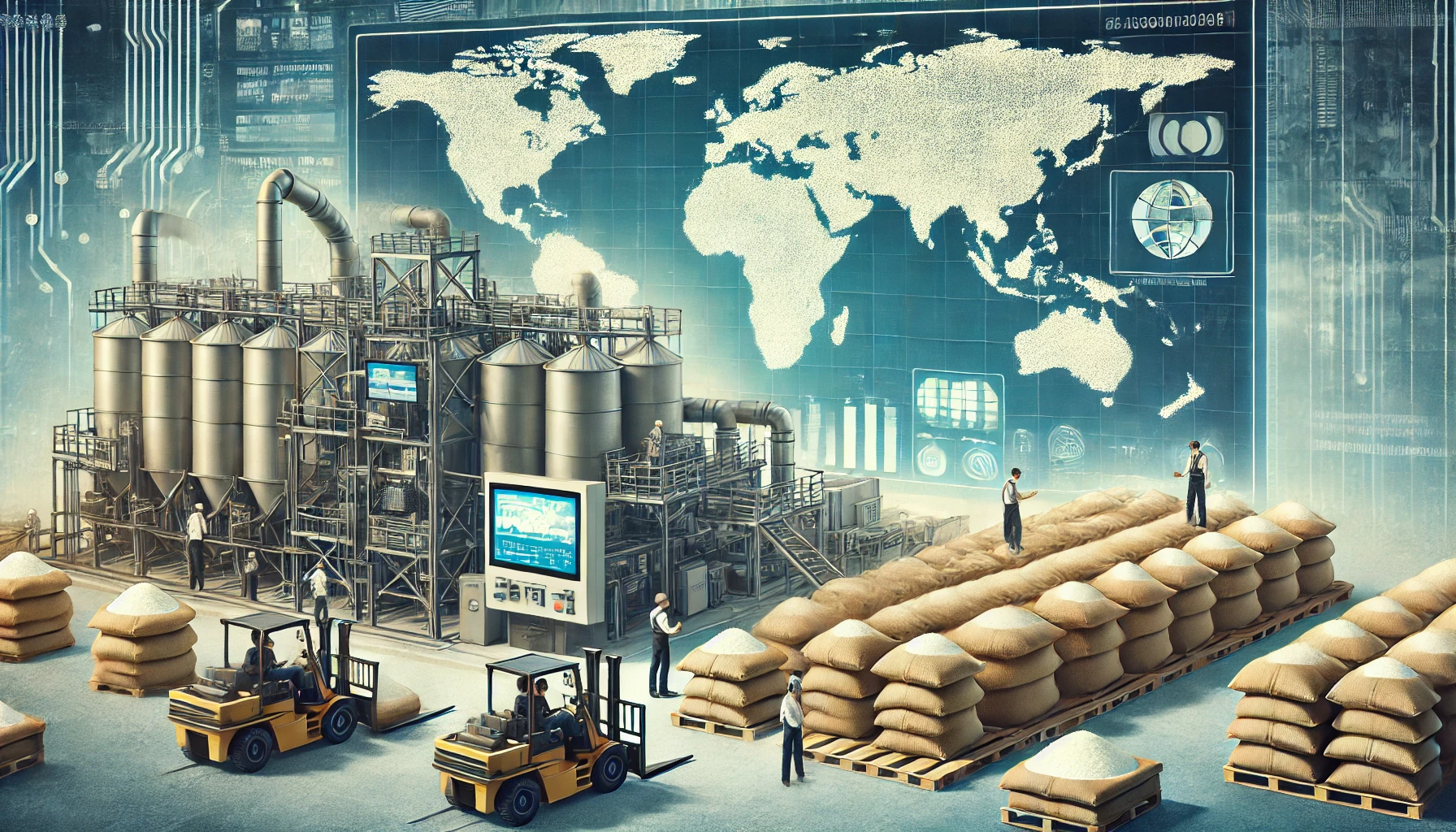
Rice is more than just a staple food—it’s a global commodity that feeds over half the world’s population. As one of the most widely consumed grains, rice plays a critical role in the diets and economies of countless countries. But have you ever wondered how rice manufacturers manage to meet the ever-growing and diverse demands of the global market? From adapting to regional preferences to embracing sustainable practices, the rice industry has evolved significantly to stay ahead. Let’s dive into the strategies and innovations that enable rice exporters and suppliers to cater to a worldwide audience.
Understanding Diverse Consumer Preferences Across Regions
The global demand for rice is far from uniform. Different regions have unique tastes, textures, and culinary traditions, which means a one-size-fits-all approach simply doesn’t work. For instance: In Asia, long-grain varieties like Basmati rice and Jasmine rice are highly sought after for their aromatic qualities and fluffy texture. In Latin America, medium-grain rice is preferred for its ability to absorb flavors, making it ideal for dishes like arroz con pollo. In the Middle East, parboiled rice is popular due to its firm texture and ability to retain nutrients. To cater to these preferences, rice manufacturers invest heavily in research and development. They work closely with agricultural experts to cultivate specific rice varieties that align with regional tastes. Additionally, they ensure that their processing and packaging methods preserve the quality and authenticity of the rice, making it a hit with local consumers.
Innovations in Rice Production and Processing
The rice industry has come a long way from traditional farming methods. Today, rice suppliers leverage cutting-edge technology to enhance production efficiency and meet global demands. Some key innovations include: 1. Advanced Milling Techniques: Modern milling machines remove husks and polish rice with precision, ensuring consistent quality and reducing waste. 2. Automated Sorting Systems: These systems use AI and machine learning to sort rice grains by size, color, and quality, ensuring only the best grains make it to the market. 3. Fortified Rice: To address malnutrition, manufacturers are producing fortified rice enriched with essential vitamins and minerals, catering to health-conscious consumers. These advancements not only improve the quality of rice but also enable manufacturers to scale production and meet the needs of a growing global population.
Sustainability Practices in Modern Rice Manufacturing
With increasing awareness of environmental issues, sustainability has become a top priority for rice exporters and manufacturers. The rice industry is adopting eco-friendly practices to reduce its carbon footprint and conserve resources. Some notable initiatives include: 1. Water-Efficient Farming: Techniques like System of Rice Intensification (SRI) help farmers use less water while increasing yields. 2. Renewable Energy: Many rice mills are transitioning to solar or wind energy to power their operations, reducing reliance on fossil fuels. 3. Waste Management: By converting rice husks into biofuel or using them as animal feed, manufacturers are minimizing waste and promoting a circular economy. These sustainable practices not only benefit the environment but also enhance the reputation of rice suppliers as responsible players in the global market.
The Role of Technology and Logistics in Meeting Global Demand
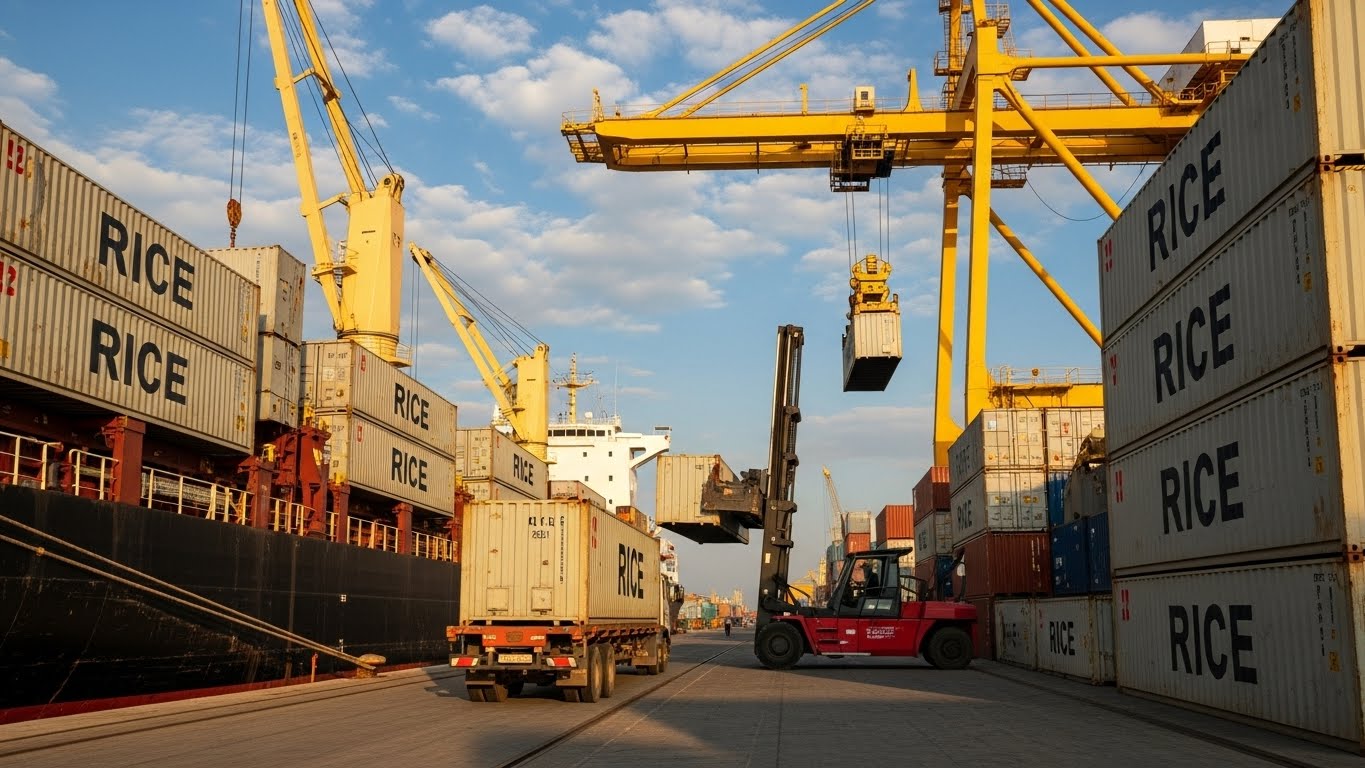
Meeting the demands of a global market requires more than just efficient production—it also requires seamless logistics and distribution. Rice manufacturers rely on technology to streamline their supply chains and ensure timely delivery. Key strategies include: 1. Digital Tracking Systems: These systems allow manufacturers to monitor the movement of rice from farms to warehouses and finally to consumers, ensuring transparency and quality control. 2. Cold Storage Facilities: To preserve the freshness of rice during transit, many exporters invest in state-of-the-art cold storage solutions. 3. Global Partnerships: By collaborating with international distributors and retailers, manufacturers can expand their reach and cater to diverse markets. These technological advancements and logistical strategies enable rice exporters to deliver high-quality rice to consumers worldwide, regardless of geographical barriers.
Challenges and Future Trends in the Rice Industry
While the rice industry has made significant strides, it still faces challenges such as climate change, fluctuating prices, and supply chain disruptions. However, manufacturers are adapting by: 1. Investing in climate-resilient rice varieties that can withstand extreme weather conditions. 2. Diversifying their product portfolios to include organic, gluten-free, and specialty rice varieties. 3. Exploring new markets in Africa and Europe, where rice consumption is steadily increasing. Looking ahead, the industry is poised for further growth, driven by innovation, sustainability, and a deep understanding of consumer needs. The global rice market is a complex and dynamic landscape, but rice manufacturers have risen to the challenge with remarkable ingenuity. By understanding regional preferences, embracing technology, and prioritizing sustainability, they have successfully catered to the diverse demands of consumers worldwide. As the industry continues to evolve, one thing is clear: rice will remain a cornerstone of global food security, thanks to the relentless efforts of rice exporters and suppliers.

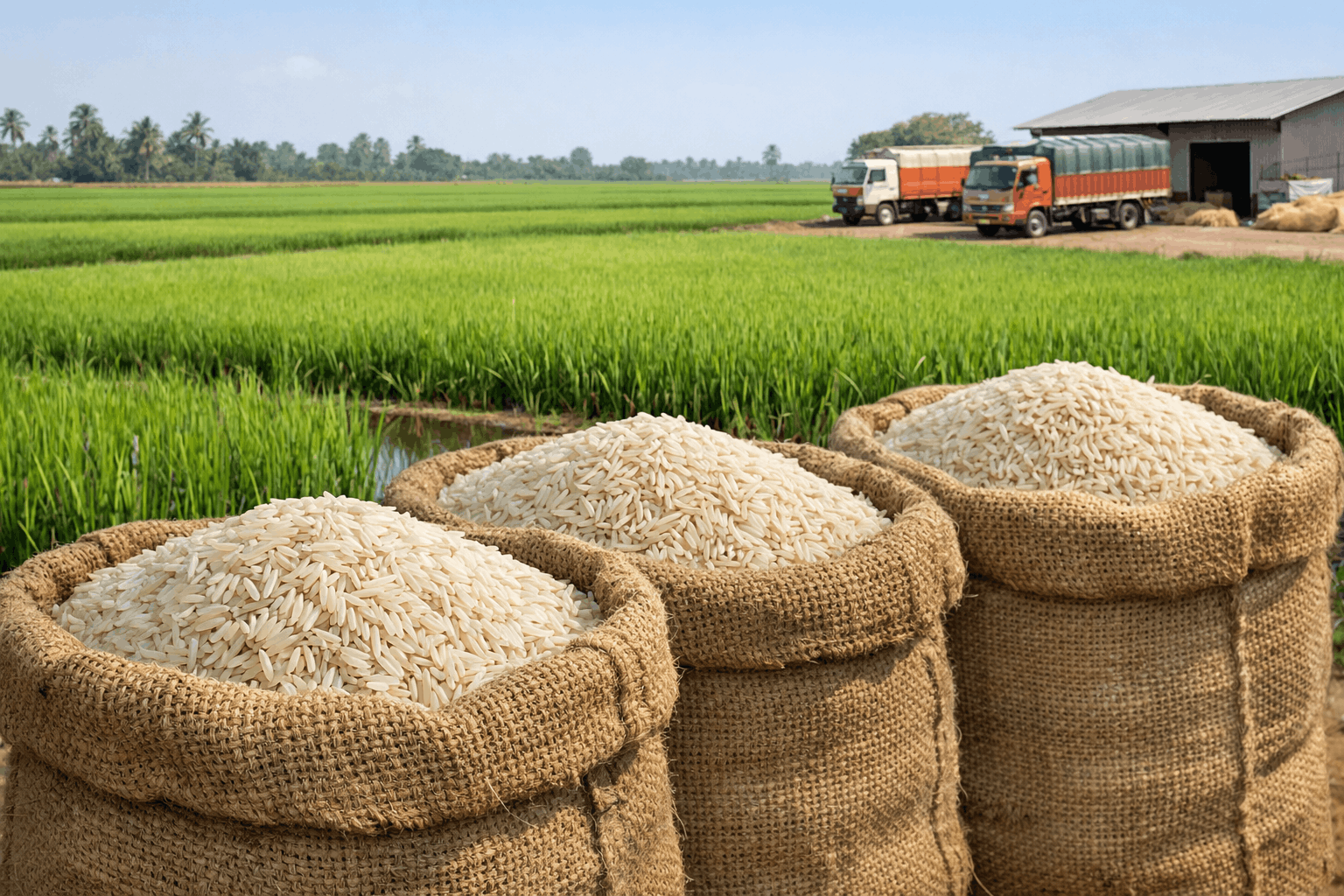
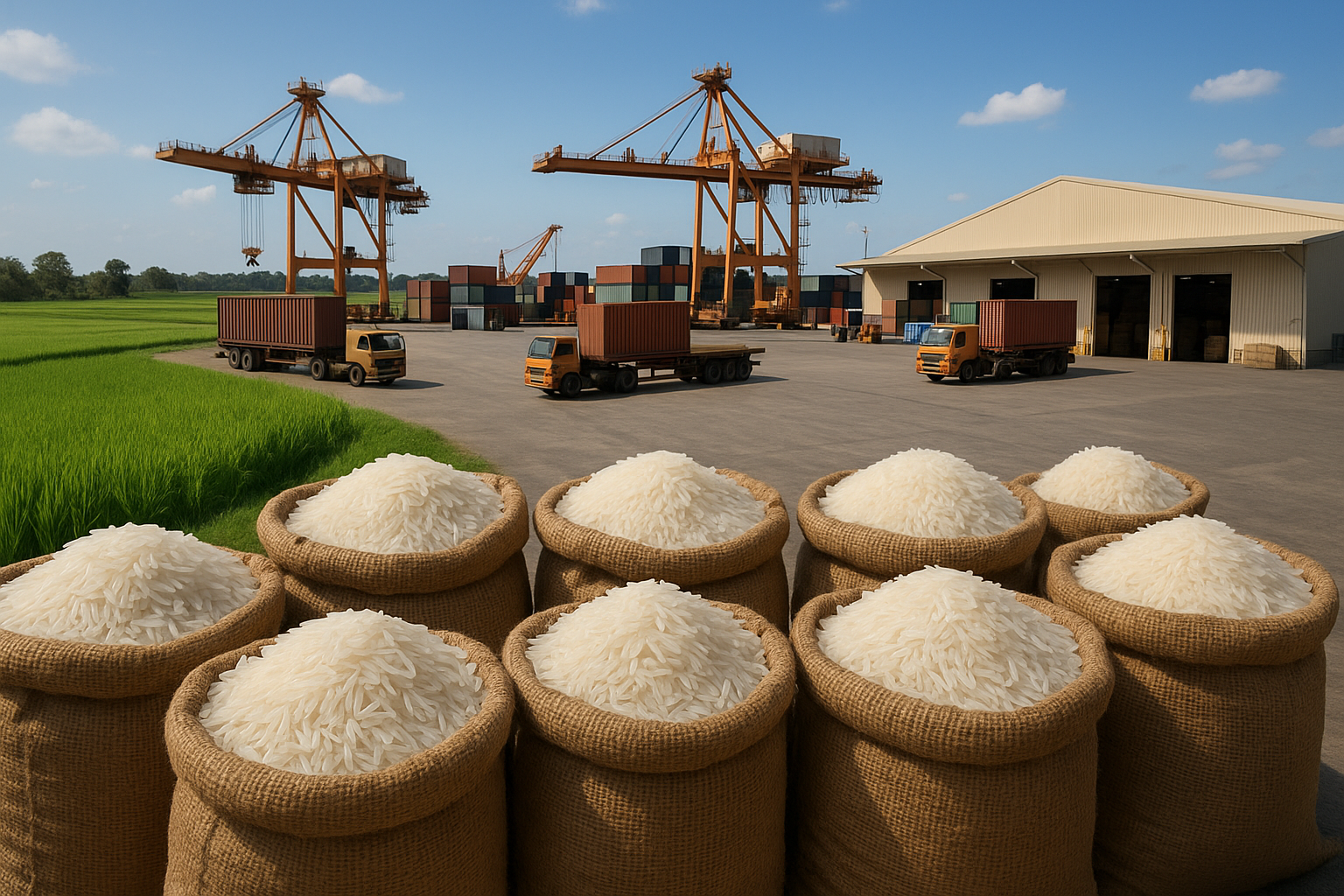

India has long been recognized as the global hub for basmati rice, and among its many varieties, 1121 Basmati rice stands out as the most premium and widely exported. Known for its extra-long grain