

United States plant-based food market is projected to witness a CAGR of 12.53% during the forecast period 2025-2032, growing from USD 12.84 billion in 2024 to USD 33.11 billion in 2032. The market has experienced significant growth in recent years, fueled by factors such as increasing awareness of the health and environmental benefits of plant-based diets, changing consumer preferences, and advancements in food technology.
The plant-based food market in the United States is expanding rapidly, fueled by increasing consumer demand for healthier and more sustainable food options. These products, made from plant-derived ingredients such as vegetables, fruits, grains, legumes, and nuts, exclude animal-based components like meat, dairy, and eggs. This makes them an attractive choice for individuals following vegan, vegetarian, or flexitarian diets. Approximately 8% of the U.S. population is vegetarian, while 3% identifies as vegan. The market includes a variety of products, such as meat and dairy alternatives, plant-based snacks, and beverages. As demand grows, the industry is expected to continue evolving, offering new opportunities for innovation and expansion.
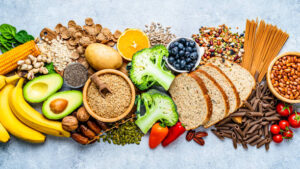
The increasing availability of plant-based proteins like flaxseed, quinoa, pea protein, chia, and oats enhances the nutritional profile of these foods, making them viable alternatives to traditional animal products. However, misconceptions about the cost of plant-based meals and limited access to fresh produce—especially among lower-income populations—pose challenges to market growth. Nonetheless, both new and established companies have the opportunity to address these barriers by improving affordability and accessibility. For example, in March 2024, Israeli food tech company Yo Egg launched its vegan poached and sunny-side-up eggs in U.S. retail stores, initially targeting Los Angeles. These products, made primarily from soy protein, chickpeas, and sunflower oil, cater to growing consumer demand for plant-based egg substitutes.
Rising Consumer Interest in Healthier Diets Drives Market Growth
The availability of plant-based food options has surged across the U.S., driven by increased consumer preference for nutritious and sustainable food choices. Supermarkets and restaurants have responded by expanding their plant-based offerings, including meat substitutes, dairy-free milk, and vegan cheese. These products provide various health benefits, such as better blood sugar control and lower cholesterol levels. Additionally, major food companies are investing in plant-based alternatives to traditional meat and dairy, further broadening consumer choices. In February 2024, Califia Farms introduced “Califia Farms Complete,” a plant-based milk containing essential nutrients, protein, amino acids, and lower sugar levels than conventional dairy milk. Made from a blend of chickpea, pea, and fava bean protein, this product reflects the growing trend of functional plant-based nutrition.
As plant-based products become more widely accessible, the market is expected to continue expanding. In 2023, U.S. retail sales of plant-based foods reached $8 billion, with plant-based milk accounting for $2.8 billion—penetrating over 40% of households.
Sustainability and Ethical Concerns Propel Market Growth
Environmental and ethical considerations are key drivers of the plant-based food market in the U.S. Consumers are increasingly aware of the environmental impact of their food choices, leading to a preference for sustainable alternatives. Compared to animal products, plant-based foods generally have a lower carbon footprint, making them an attractive choice for eco-conscious buyers. Moreover, ethical concerns regarding animal welfare influence many consumers—especially younger generations like Gen Z and Millennials—who prioritize sustainability when making purchasing decisions. As a result, companies are expanding their plant-based product lines to align with these values.
For example, in March 2024, Kraft Heinz Not Company introduced “NotHotDogs” and “NotSausages,” the first plant-based versions of Oscar Mayer products. These new offerings provide consumers with a smoky, savory taste experience while catering to the growing demand for ethical and sustainable food choices.
Dominance of the Plant-Based Dairy Segment
The plant-based dairy segment holds a significant share of the U.S. plant-based food market, driven by a high prevalence of lactose intolerance, which affects approximately 36% of the population. Plant-based milk accounts for 15% of total milk sales in the country. Beyond lactose intolerance, factors such as the shift toward vegan lifestyles and environmental consciousness contribute to the growing popularity of dairy alternatives.
Innovation in taste and texture has played a crucial role in increasing consumer acceptance of fortified and functional dairy alternatives. The expansion of retail distribution and food service partnerships has further accelerated market growth. Compared to other plant-based food categories, dairy substitutes are experiencing faster adoption as consumers gradually transition to plant-based diets. In November 2024, The Laughing Cow, a brand under Bel Brands USA, launched a plant-based spreadable cheese nationwide. Made with almond milk, this product caters to consumers seeking creamy, plant-based cheese alternatives.
Future Market Outlook (2025–2032)
- The market is expected to witness further expansion as plant-based food innovations enhance flavors, textures, and nutritional value, making them more appealing to mainstream consumers.
- Both established brands and startups are likely to increase their investments in plant-based food, driving market growth.
- Rising consumer awareness and demand for sustainable, ethical, and health-conscious food options will continue to propel market development.
Report Overview
The “United States Plant-Based Food Market Assessment, Opportunities, and Forecast, 2018-2032” by Markets and Data provides an in-depth analysis of the U.S. plant-based food market, covering industry trends, challenges, and opportunities. The report includes market size, segmental shares, and growth projections through 2032, along with profiles of key market players and their business strategies.
Click here for full report- https://www.marketsandata.com/industry-reports/united-states-plant-based-food-market
Latest reports-
https://www.marketsandata.com/industry-reports/agrivoltaics-market
https://www.marketsandata.com/industry-reports/acetic-acid-market
Contact
Mr. Vivek Gupta5741 Cleveland street,Suite 120, VA beach, VA, USA 23462Tel: +1 (757) 343–3258Email: info@marketsandata.comWebsite: https://www.marketsandata.com