


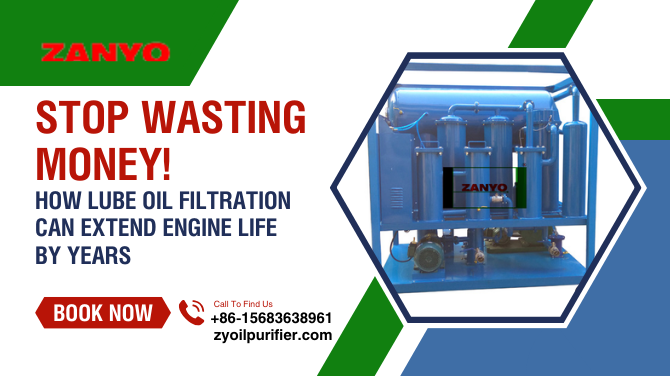
Introduction
Engines are the heart of any machine, whether in industrial plants, transportation fleets, or power generation systems. However, a poorly maintained engine can result in frequent breakdowns, high repair costs, and premature failure. One of the most overlooked yet essential aspects of engine maintenance is lube oil filtration.
Without proper lube oil filtration, contaminants such as dirt, metal particles, and sludge can accumulate, leading to increased wear and tear. Over time, this can cause severe damage, reducing efficiency and leading to costly downtime. Fortunately, by investing in an effective lube oil filtration system, industries and vehicle owners can significantly extend engine life, reduce maintenance costs, and improve overall performance.
At Chongqing Zanyo Electromechanical And Machinery CO., Ltd, we understand the importance of clean and efficient lubrication. In this guide, we will explore how lube oil filtration works, why it is crucial for engine longevity, and how you can choose the best filtration system for your needs.
What is Lube Oil Filtration?
Lube oil filtration is the process of removing contaminants, moisture, and degradation by-products from lubrication oil. This ensures that the oil remains clean and maintains its effectiveness in reducing friction, cooling engine components, and preventing corrosion.
Contaminants can enter engine oil in various ways, including:
- External contamination: Dust, dirt, and moisture from the environment.
- Internal wear and tear: Metal particles and combustion residues from engine operations.
- Oil oxidation: Breakdown of oil due to high temperatures and prolonged use.
By implementing a lube oil filtration system, industries can ensure that their engines operate smoothly and efficiently for years.
Why is Lube Oil Filtration Important?
1. Prevents Engine Wear and Tear
Unfiltered lube oil can contain microscopic particles that cause friction between engine components. This leads to excessive wear and shortens the lifespan of the engine. A high-quality lube oil filtration system removes these contaminants, reducing mechanical stress and ensuring long-term performance.
2. Improves Fuel Efficiency
Engines that run on clean lube oil experience less resistance, leading to improved fuel efficiency. Contaminated oil, on the other hand, increases internal friction, making the engine work harder and consume more fuel.
3. Reduces Maintenance Costs
Frequent oil changes and engine repairs can be expensive. By using an effective lube oil filtration system, companies can extend oil change intervals and reduce the need for costly maintenance, ultimately saving thousands of dollars annually.
4. Enhances Engine Performance
Clean lube oil ensures smooth operation, optimal power output, and reduced overheating. This not only enhances overall engine performance but also boosts productivity in industrial and transportation applications.
5. Environmental Benefits
Proper lube oil filtration reduces oil wastage, minimizing environmental pollution caused by frequent oil disposal. Many industries are now opting for advanced filtration systems to support sustainability initiatives.
Types of Lube Oil Filtration Systems
There are several types of lube oil filtration technologies available, each designed for specific applications. Understanding these options can help you choose the most suitable filtration system for your needs.
1. Mechanical Filtration
Mechanical filters use a physical barrier to trap contaminants. These filters are commonly found in automotive engines and industrial machinery. They come in various forms, including:
- Full-flow filters: Capture large contaminants and allow high oil flow rates.
- Bypass filters: Provide finer filtration by processing only a portion of the oil at a time.
2. Centrifugal Filtration
This method uses centrifugal force to separate contaminants from the oil. The impurities are forced to the outer edges of the filter, where they can be easily removed. Centrifugal filtration is highly effective for removing soot, sludge, and metal particles.
3. Electrostatic Filtration
Electrostatic filters use an electric charge to attract and trap contaminants. This type of filtration is particularly effective in removing oxidation by-products and fine particulates that traditional filters may miss.
4. Vacuum Dehydration Filtration
Designed for heavy-duty industrial applications, vacuum dehydration removes water and gas contamination from oil, preventing oxidation and corrosion. This method is commonly used in power plants, hydraulic systems, and large engines.
How to Choose the Right Lube Oil Filtration System?
Selecting the right lube oil filtration system depends on various factors, including the type of engine, operating conditions, and industry requirements. Here are some key considerations:
1. Oil Viscosity and Contaminant Level
Different engines use different types of lube oil, ranging from low-viscosity oils in automobiles to high-viscosity oils in heavy machinery. Analyzing the contamination level of your oil will help determine the filtration efficiency required.
2. Filtration Efficiency and Micron Rating
Filters are rated based on the smallest particle size they can capture (measured in microns). For precision machinery, choosing a filter with a low micron rating ensures superior protection against wear.
3. Flow Rate and Pressure Compatibility
Ensure that the lube oil filtration system supports the required flow rate and pressure range of your engine. A mismatch can result in oil starvation and reduced lubrication efficiency.
4. Maintenance and Replacement Costs
Consider the ease of maintenance and the availability of replacement filter elements. A cost-effective lube oil filtration system should offer long service intervals while maintaining optimal filtration efficiency.
5. Industry Standards and Compliance
Choose filtration systems that comply with industry standards such as ISO 4406 (oil cleanliness code) and API specifications. This ensures compatibility with industrial regulations and best practices.
Case Studies: How Lube Oil Filtration Has Transformed Industries
1. Power Generation Plants
Many power plants use large turbines that require continuous lubrication. By implementing vacuum dehydration filtration, one power plant was able to extend turbine oil life from 5,000 hours to 15,000 hours, saving millions in oil replacement costs.
2. Fleet Management Companies
A leading transportation company reduced its fleet maintenance expenses by 30% after switching to a high-efficiency bypass filtration system. The system significantly reduced engine wear and increased fuel efficiency.
3. Manufacturing Facilities
In heavy industries, machinery downtime can lead to substantial losses. A steel manufacturing company installed an electrostatic oil filtration system, which eliminated varnish buildup and extended hydraulic system life by 40%.
Conclusion
Ignoring lube oil filtration can be a costly mistake, leading to frequent engine breakdowns, reduced efficiency, and increased operational costs. By investing in a high-quality lube oil filtration system, industries can significantly extend engine life, improve performance, and reduce maintenance expenses.
At Chongqing Zanyo Electromechanical And Machinery Co., Ltd., we specialize in advanced lube oil filtration solutions tailored to your needs. Whether you're in power generation, transportation, or industrial manufacturing, our cutting-edge filtration systems can help you achieve maximum efficiency and cost savings.
Stop wasting money on frequent oil changes and engine repairs. Invest in premium lube oil filtration today and extend your engine life by years!

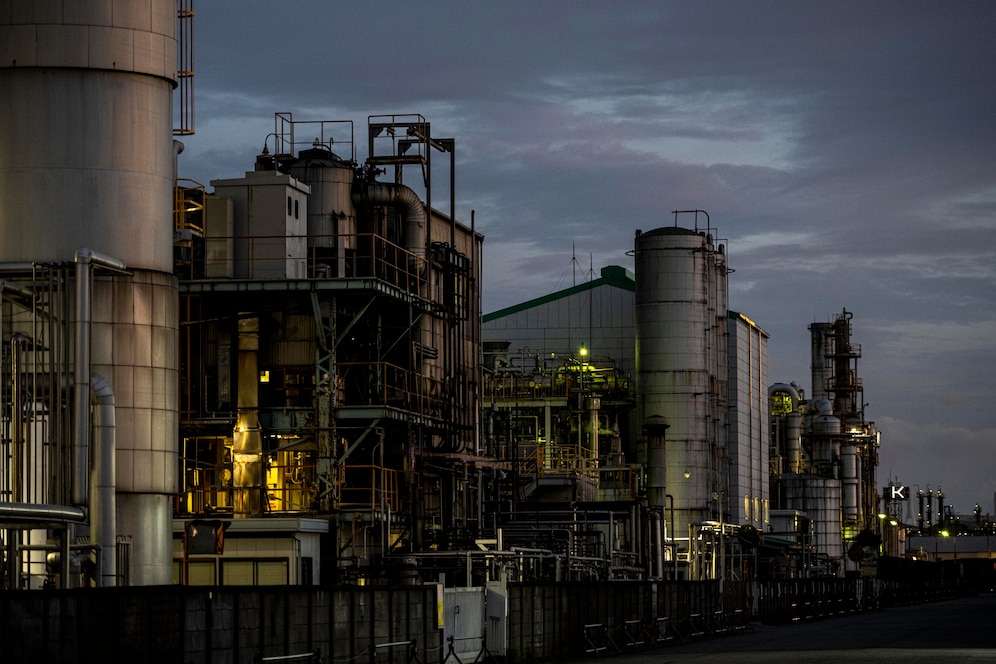
The new research report titled "Specialties Of Lube Oil Refinery Market, Global Industry Analysis, and Forecast to 2027" gives a detailed analysis and future forecasts of the market.
The report highlights the significant players, including market size, share, and demand, development.
This report further covers the latest trends, technological advancements, and growth opportunities.This research report also includes profiles of major companies operating in the global market.
Some of the prominent players operating in the global specialties of lube oil refinery market are Chevron Corporation, Eni S.P.A., Exxon Mobil Corporation, Grupa Lotos SA, HollyFrontier Corporation, LUKOIL, Nippon Seiro Co., Ltd., Nynas AB, Petrochina Company Limited, Petroliam Nasional Berhad, Repsol SA, Royal Dutch Shell Plc, Sasol Ltd., Sinopec Corporation, Total SA, and others.
This section cover profiling of major players in terms of important aspects such as company overview, financial overview, business strategy, and recent developments undertaken during the forecast horizon.Get more information on "Global Specialties Of Lube Oil Refinery Market Research Report" by requesting FREE Sample Copy at https://www.valuemarketresearch.com/contact/specialties-of-lube-oil-refinery-market/download-sampleMarket DynamicsThe increasing demand for lubricants from various industries such as pharmaceutical, cosmetics, and automobile is stimulating the market growth.
Furthermore, rising disposable income leading to an increase in the demand for automobile, owing to the usage of lubricants in engines, is also fueling the market growth.