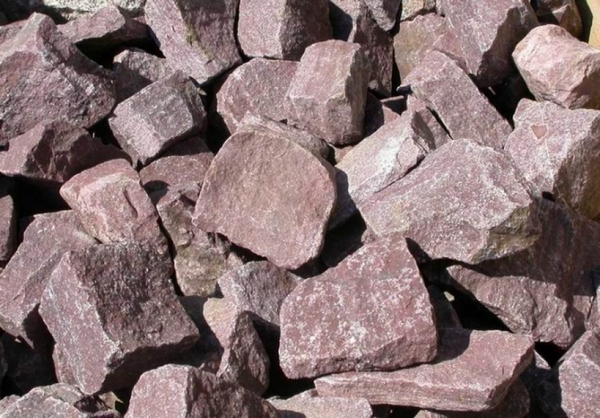
Formation of Limestone
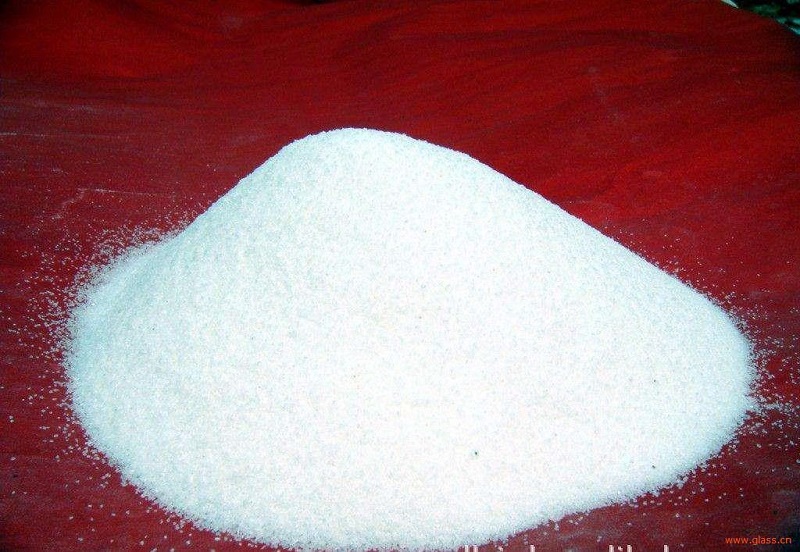
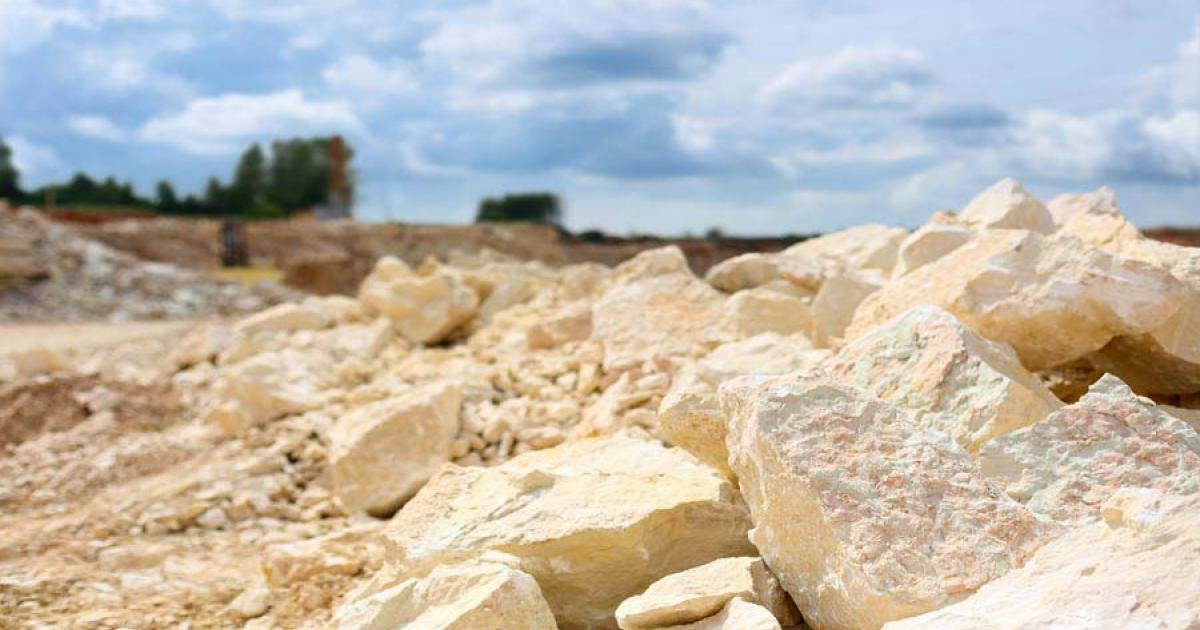
Limestone is a type of sedimentary rock that is composed primarily of calcium carbonate (CaCO3) in the form of the mineral calcite. It most commonly forms in shallow tropical seas, as the skeletal remains and shells of marine organisms like coral, mollusks, and algae slowly accumulate on the seafloor over thousands or millions of years. As more layers of these skeletal particles settle down, they harden into stone through a process called lithification, where the sediment is gradually compacted by water and pressure from overlaying sediments.
The calcium carbonate in Limestone is derived from the shells and skeletons of once-living marine organisms. After they die, their calcium carbonate-based shells and skeletons settle down to the bottom of oceans and seas where they accumulate over a very long period of time. With continued deposition of more sediments from above, the layers of calcium carbonate particles gradually become consolidated and compressed to form limestone through carbonate cementation.ementation.
Properties of Limestone
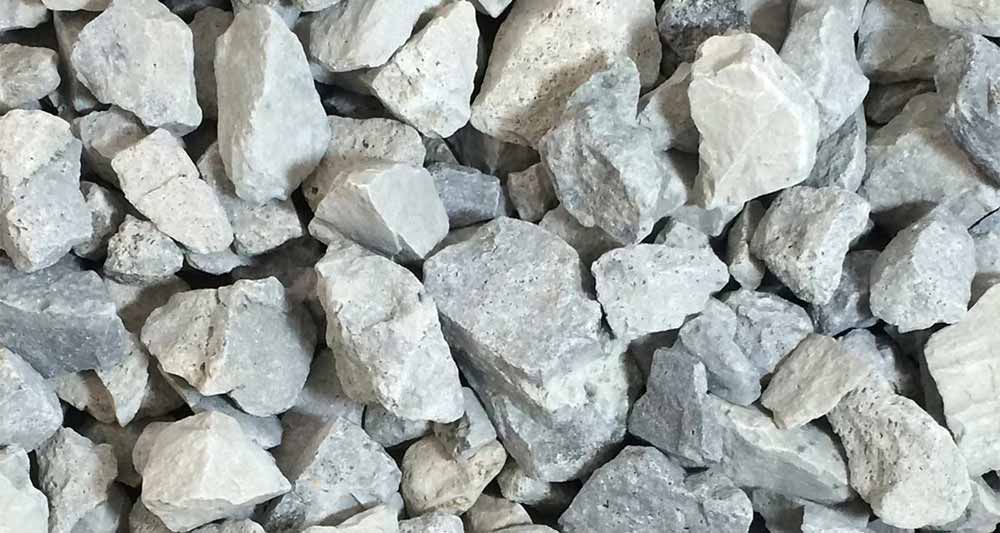
Limestone has several characteristic physical properties that make it unique. Firstly, it is composed mainly of calcium carbonate minerals that give it a pale color ranging from white, gray, blue, or brown. Limestone is relatively soft with a hardness of only 3 on the Mohs hardness scale. It has a rough skeletal appearance and often visibly shows grains or fossils left behind from the organisms it was originally formed from. When acid is applied to limestone, it readily reacts and fizzes as the acid dissolves the calcium carbonate. Limestone also has high porosity, meaning it is highly permeable and let water pass through easily.
Uses of Limestone
Due to its abundance and usefulness, limestone has a wide variety of commercial and industrial applications. Some of the major uses of limestone include:
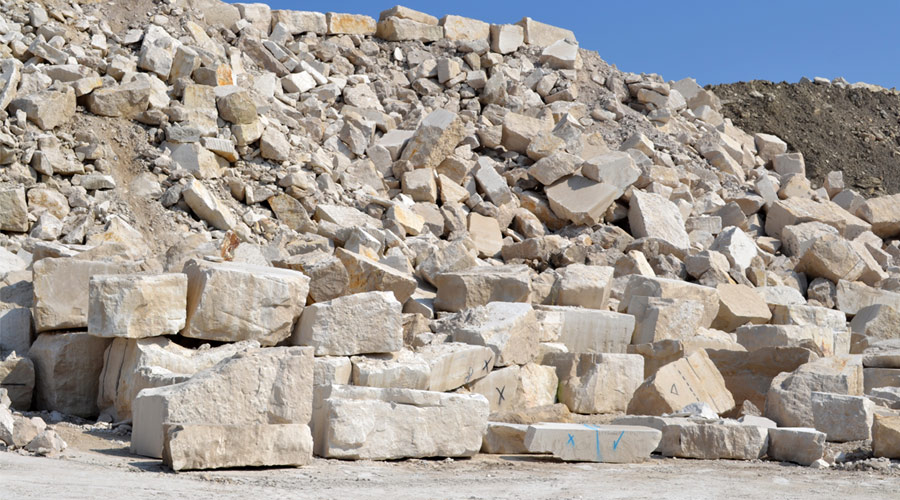
- Construction material - As one of the most versatile and inexpensive building materials, crushed limestone is commonly used to make concrete, mortar, plaster, roadstone and railway ballast. It also serves as a decorative facing stone on buildings.
- Cement manufacturing - Limestone provides the calcium required to make Portland cement, one of the basic ingredients of concrete. The stone is heated in a kiln with clay and sand to form clinker, which is then finely ground to produce cement.
- Iron and steel production - Limestone is used as a flux in blast furnaces for smelting iron from iron ore. It helps remove impurities from the iron and lowers the melting point of slag formed during the smelting process.
- Lime and agriculture - Limestone is heated in a kiln to make quicklime (calcium oxide). Quicklime is slaked with water to produce hydrated lime, which is widely used for agricultural purposes like soil amendment.
- Paper manufacturing - Calcium carbonate, which is the main component of limestone, is used as a filler and coating material during the production of paper to give it a smoother and brighter surface.
- Water treatment - Finely ground limestone is commonly used to treat industrial waste water by reducing its acidity through neutralization of acidic contaminants.
The multifaceted properties and broad applicability make limestone one of the most important and widely consumed natural resources on the planet. Its rock-forming minerals are an integral part of ecosystems, civil infrastructure, and worldwide.
Geographical Distribution of Limestone Deposits
Major limestone deposits occur throughout the world with significant limestone bearing formations present across all continents. Some of the regions with major commercial limestone reserves include:
- The United States has huge limestone reserves spanning multiple states like Indiana, Illinois, Iowa, Kentucky, Tennessee, Texas and Alabama. The Cave-In-Rock formation in Illinois contains high-quality oolitic limestone.
- Italy, France, Spain and Greece have extensive Llimestone reserves in the Alps, Pyrenees and Mediterranean regions that formed during the Mesozoic era. The Carrara marble quarries of Italy supply the finest quality marble.
- India has large limestone reserves spread across Rajasthan, Gujarat, Maharashtra and Andhra Pradesh. The high-calcium limestones around Gotan and Jaisalmer in Rajasthan are well-known.
- North Africa boasts of considerable limestone formations in Morocco, Egypt, Tunisia and Algeria concentrated along the Mediterranean coastline.
- The Caribbean islands notably Barbados, the Bahamas and Bermuda primarily consist of thick limestone deposits ideal for construction and concrete production.
- Other significant reserves exist in China, especially around Beijing and Sichuan, Mexico, Japan, Canada, Russia, Libya and Iran. Limestone is ubiquitous in nature and continues to play an indispensable industrial role due to its widespread availability and versatile physical properties. Its abundance ensures sustained economic viability for applications requiring calcium carbonate well into the foreseeable future.
Get This Report In Japanese Language - 石灰岩市場
Get This Report In Korean Language -석회암 시장
About Author:
Priya Pandey is a dynamic and passionate editor with over three years of expertise in content editing and proofreading. Holding a bachelor's degree in biotechnology, Priya has a knack for making the content engaging. Her diverse portfolio includes editing documents across different industries, including food and beverages, information and technology, healthcare, chemical and materials, etc. Priya's meticulous attention to detail and commitment to excellence make her an invaluable asset in the world of content creation and refinement.
(LinkedIn- https://www.linkedin.com/in/priya-pandey-8417a8173/)