Instrumentation fittings are the important elements employed in industrial instrumentation systems for accurate measurement, regulation, and control of some physical parameters, including pressure, temperature, flow, and level. Instrumentation fittings are extensively utilized in industries such as oil and gas, petrochemicals, power plants, pharmaceuticals, and food processing. These fittings are responsible for making these systems work properly and are important in maintaining safety and performance requirements.
What Are Instrumentation Fittings?
Instrumentation fittings are specialized components that facilitate the safe and efficient operation of instruments that monitor and control process variables. They are typically made from high-quality materials like stainless steel, brass, and alloy steels, which can withstand harsh environments and high pressures. The primary role of these fittings is to connect and protect various instrument parts, such as sensors, transmitters, and valves, within a system.
These fittings come in various forms, including compression fittings, tube fittings, ball valves, needle valves, and more. Each type has its specific application, but all serve the purpose of ensuring secure and leak-free connections in process lines.
Types of Instrumentation Fittings
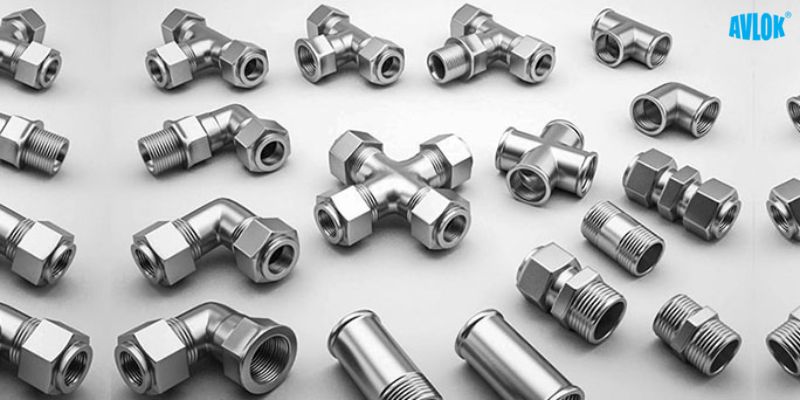
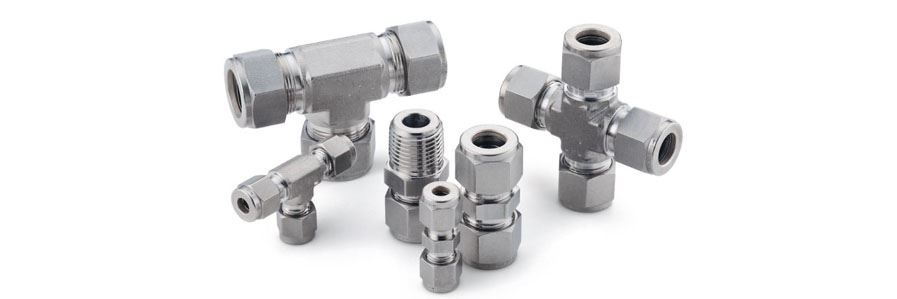
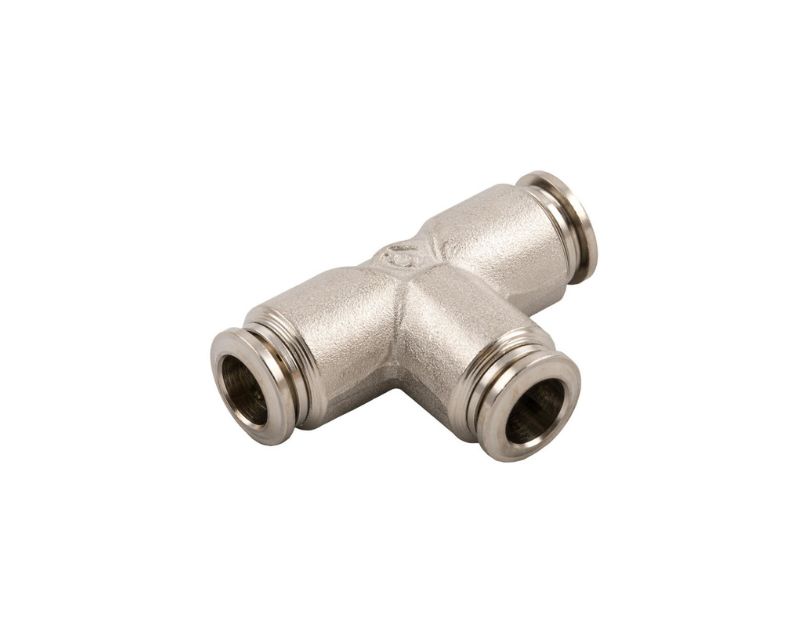
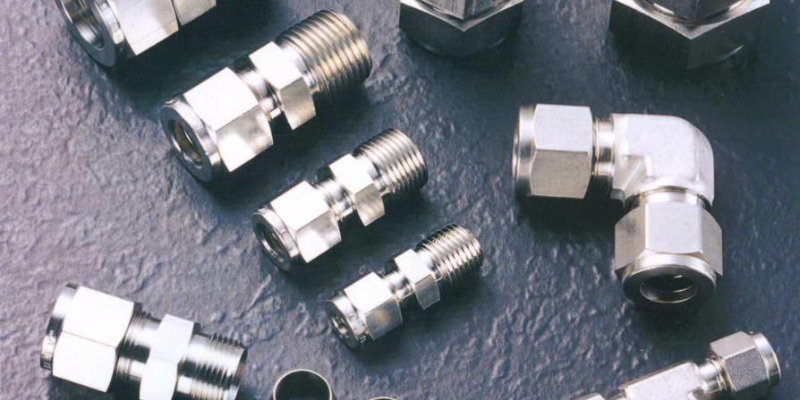
- Instrumentation tube fittings: Instrumentation tube fittings are precise-engineered products to join, regulate, and guide tubing systems for processes such as oil and gas, chemical processing, power generation, and pharmaceuticals. Fittings provide leak-free performance under pressure, temperature, and vibration conditions. Types, Brass Tube Fittings, Ermeto Fittings, Hastelloy Tube Fittings, High Pressure Fittings, High Temperature Fittings, Inconel Tube Fittings, Monel Tube Fittings, Stainless Steel Tube Fittings.
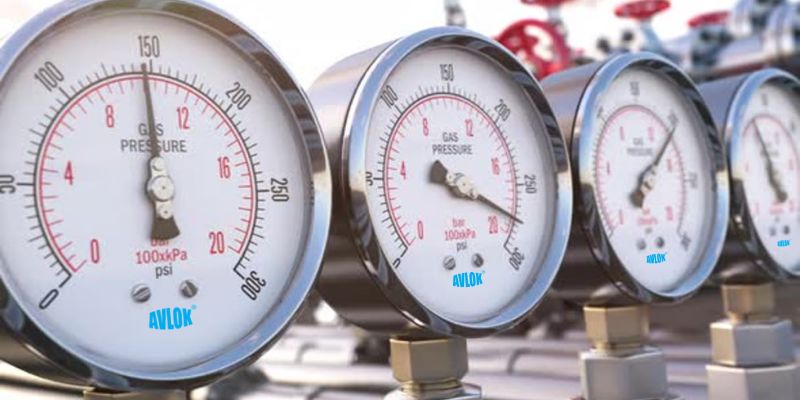
- Pressure gauge: Pressure gauge is a measuring device that quantifies and displays the pressure of a fluid (liquid or gas) in a system. Pressure gauge is employed in manufacturing, automotive, HVAC, and oil & gas industries. Types: Diaphragm Sealed Pressure Gauge, Differential Pressure Gauges, Glycerin Filled Pressure Gauge, Precision Test Pressure Gauges, Pressure Gauge Accessories, Stainless Steel Pressure Gauges.
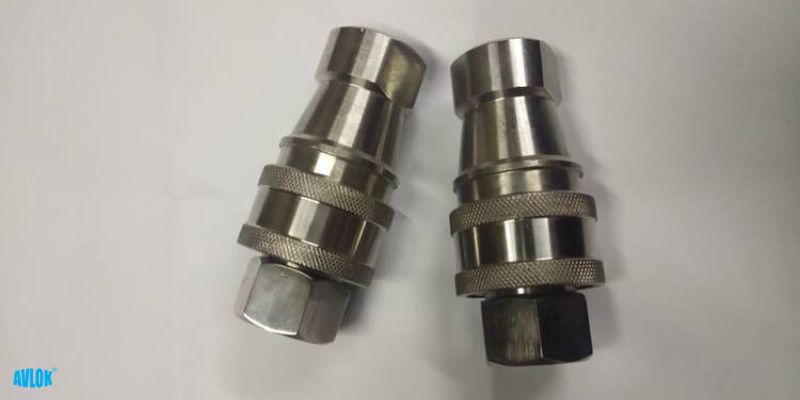
- Quick Release Couplings: Quick Release Couplings (QRCs) are mechanical couplings employed to rapidly attach and detach fluid or gas lines without requiring the use of tools. They find widespread application in hydraulic, pneumatic, and other fluid transfer systems. Types: Double Check Valve, Straight Through Valve, Single Check Valve.
- Instrumentation valves: Instrumentation valves are employed in process control and fluid systems for controlling, isolating, and managing flow rates of gases or liquids. They are high-precision valves used in oil and gas, chemical process, pharmaceutical, and power generation industries. Types: Needle Valves, Ball Valves, Check Valves.
- Manifold valve: A manifold valve is a device used to regulate, control, and isolate fluids or gases in industrial applications, particularly in instrumentation and process control systems. It consists of multiple valves housed in a single unit, allowing for efficient operation, maintenance, and troubleshooting. Types: 2 Way Valve Manifolds, 3 Way Valve Manifolds, 5 Way Valve Manifolds.
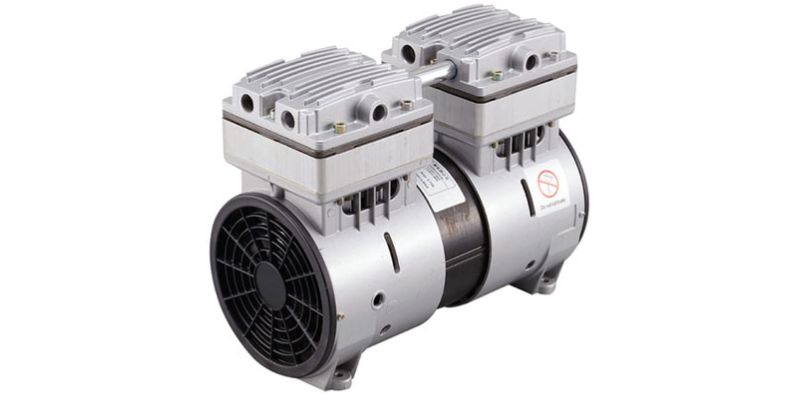
- Vacuum pump: A vacuum pump is a machine that evacuates gas molecules from a sealed container in order to form a partial vacuum. It is employed in several industries such as manufacturing, scientific research, air conditioning systems, and medicine.
- Tube clamp: A tube clamp is a type of fastening device used to secure, support, or join tubes or pipes together. Tube clamps are commonly used in industries like construction, plumbing, and industrial assembly.
Applications of Instrumentation Fittings
- Oil and Gas Industry: Instrumentation fittings are extensively utilized in the oil and gas industry, where they play a critical role in measuring and regulating pressure, temperature, and flow in pipelines, refineries, and production facilities. Their strength and resistance to harsh conditions make them ideal for this industry.
- Pharmaceuticals and Food Processing: Cleanliness is essential in industries such as pharmaceuticals and food processing. Instrumentation fittings provide secure and sanitary connections between different parts, which prevents contamination and ensures sterile conditions.
- Power Generation: Instrumentation fittings are also vital in power generation facilities, where they are utilized to measure and control steam, water, and gas systems. Their performance guarantees the efficiency and safety of energy production processes.
- Chemical Manufacturing: Instrumentation fittings are employed by chemical plants to control and monitor the movement of chemicals in very corrosive environments. Appropriate fittings prevent chemicals from leaking or spilling and ensure safe transportation and processing of chemicals.
Conclusion
Instrumentation fittings are an integral part of modern industrial systems, with secure, leak-tight connections that support efficient running. Through the choice of the right types of fittings for use in a given application, industries can guarantee the reliability and safety of their systems. In the oil and gas industry, power plants, or the pharmaceutical industry, these fittings are essential to supporting operational integrity and safety.