



Understanding Combat Sports Hand Wraps: A Foundation for Safety and Performance
In the world of combat sports, hand wraps serve as a crucial component for both safety and performance. Whether you're a seasoned fighter or a novice stepping into the ring for the first time, understanding the significance of hand wraps is essential. These wraps are not merely accessories; they are protective gear that plays a pivotal role in safeguarding the hands and wrists from injury during intense training sessions and competitive bouts.
Hand wraps provide support to the delicate bones and tendons in the hands, reducing the risk of fractures and sprains. They also help in maintaining proper alignment of the hand and wrist, which is vital for delivering powerful punches without causing harm to oneself. Additionally, hand wraps absorb sweat, keeping the gloves dry and enhancing grip, which is critical for maintaining control during a fight.
The choice of hand wraps can vary based on personal preference, but the most common types include traditional cotton wraps and elasticized wraps. Each type has its advantages, with cotton wraps offering breathability and comfort, while elasticized wraps provide a snug fit and better support. Understanding the differences and selecting the right type of wrap is the first step towards mastering the art of hand wrapping.
Step-by-Step Hand Wrap Instructions: A Guide to Perfect Wrapping
Mastering the technique of hand wrapping requires attention to detail and practice. Follow these step-by-step instructions to ensure your hands are securely and effectively wrapped:
Step 1: Prepare Your Wraps
Start by unrolling the hand wrap completely. Make sure the thumb loop is at one end and the Velcro strap is at the other. This preparation will make the wrapping process smoother.
Step 2: Begin at the Wrist
Place your thumb through the thumb loop, ensuring the wrap lies flat against your skin. Begin wrapping around the wrist, making three to four loops. This initial support is crucial for wrist stability.
Step 3: Wrap the Knuckles
After securing the wrist, move the wrap up to the base of your fingers. Wrap around the knuckles three times, ensuring even coverage. This step provides cushioning and protection for your knuckles
.
Step 4: Secure the Thumb
Bring the wrap down to the thumb and make a loop around it. This step is vital for thumb support, preventing injuries during punches.
Step 5: Create X-Patterns
Return the wrap to the wrist and create X-patterns across the back of your hand. This technique offers additional support and keeps the wrap in place.
Step 6: Finalize the Wrapping
Continue wrapping until you reach the end of the wrap. Secure it with the Velcro strap, ensuring it's snug but not too tight to restrict circulation.
Practice makes perfect, and with time, you'll develop a wrapping style that suits your comfort and needs. Remember, the goal is to achieve a balance between support and flexibility
.

Exploring Hand Wrapping Techniques: Customizing for Comfort and Support
While the basic technique of hand wrapping is essential, there are various advanced techniques that fighters can explore to enhance comfort and support. These techniques can be customized based on individual preferences and specific requirements of different combat sports.
Mexican Style Wrapping
Mexican style hand wraps are known for their elasticity and snug fit. This technique involves using an elastic wrap that conforms closely to the hand, providing excellent support and flexibility. Fighters who prefer a tight fit often opt for this style.
Boxing Wraps for Heavy Hitters
For boxers who rely on powerful punches, additional padding on the knuckles can be beneficial. This can be achieved by folding a piece of gauze or foam and placing it over the knuckles before wrapping. This technique offers extra protection and shock absorption.
Muay Thai Wrapping Technique
Muay Thai fighters often require more wrist support due to the nature of the sport. Incorporating additional loops around the wrist and thumb can enhance stability, reducing the risk of injury during clinches and strikes.
Experimenting with different techniques allows fighters to find the perfect balance between protection and comfort. It's important to ensure that the wraps are not too tight, as this can restrict blood flow and cause discomfort.
Hand Wrapping for MMA: Adapting to the Dynamic Nature of Mixed Martial Arts
Mixed Martial Arts (MMA) is a dynamic sport that combines striking and grappling techniques, requiring fighters to adapt their hand wrapping methods accordingly. In MMA, hand wraps must provide support for striking while allowing flexibility for grappling maneuvers.
Lightweight Wraps for Grappling
MMA fighters often prefer lightweight wraps that offer flexibility and ease of movement. This is crucial for executing grappling techniques, where dexterity and grip strength are essential.
Hybrid Wrapping Techniques
Combining elements of boxing and Brazilian Jiu-Jitsu wrapping techniques can be beneficial for MMA fighters. This hybrid approach provides the necessary support for striking while ensuring the wraps don't hinder grappling performance.
Adjusting Wraps for MMA Gloves
MMA gloves are smaller and less padded than traditional boxing gloves, requiring a different approach to hand wrapping. Fighters should ensure that the wraps are not too bulky, as this can affect the fit of the gloves and impact performance.
Ultimately, the goal of hand wrapping in MMA is to achieve a balance between protection and functionality. Fighters should experiment with different techniques to find the one that best suits their style and needs.
The Importance of Regular Hand Wrap Maintenance: Ensuring Longevity and Hygiene
Maintaining your hand wraps is as important as mastering the technique of wrapping. Regular maintenance ensures the longevity of the wraps and maintains hygiene, which is crucial for preventing infections and skin irritations.
After each use, hand wraps should be washed to remove sweat and bacteria. Most wraps are machine washable, but it's advisable to place them in a mesh bag to prevent tangling. Allow the wraps to air dry completely before storing them to avoid the growth of mold and mildew.
Inspect your wraps regularly for signs of wear and tear. Frayed edges or weakened elasticity can compromise the effectiveness of the wraps, necessitating replacement. Investing in multiple pairs of wraps can also be beneficial, allowing you to rotate them and ensure you always have a clean pair ready for use.
By incorporating a routine of regular maintenance, fighters can extend the life of their hand wraps and ensure they remain in optimal condition for training and competition.
Conclusion: Mastering the Art of Hand Wrapping for Enhanced Performance and Safety
Hand wrapping is an essential skill for any combat sports athlete, providing the foundation for safety and performance in the ring. By understanding the importance of hand wraps, mastering the technique, and exploring different wrapping styles, fighters can enhance their protection and optimize their performance.
Whether you're a boxer, MMA fighter, or Muay Thai practitioner, the right hand wrapping technique can make a significant difference in your training and competitive experience. Embrace the practice, experiment with different styles, and prioritize regular maintenance to ensure your hands are always protected and ready for action.

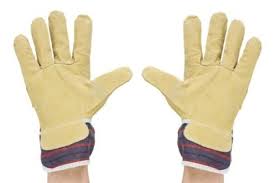
This unique report on World Hand & Arm Protection Market till 2025 presents quality data on the global market revenue, sales, growth rate and leading market players.
The supply chain analysis completes the Hand & Arm Protection market understanding for a new entrant as well as existing players.
The import and export data along with consumption statistics from major countries is sure to enrich the strategists understanding of the market.Hand & arm protection market research report provides the newest industry data and industry future trends, allowing you to identify the products and end users driving revenue growth and profitability.The industry report lists the leading competitors and provides the insights strategic industry analysis of the key factors influencing the market.The report includes the forecasts, analysis and discussion of important industry trends, market size, market share estimates and profiles of the leading industry players.Final Report will cover the impact of COVID-19 on this industry.Access Full Report with Table of Contents @ https://www.decisiondatabases.com/ip/24218-hand-and-arm-protection-market-analysis-reportThe players mentioned in our reportHONEYWELL INTERNATIONAL INC.E I DU PONT DE NEMOURS AND CO.KIMBERLY CLARK CORPTEIJIN FIBERSSIOEN INDUSTRIES NVANSELL LIMITEDMSA SAFETY INCLAKELAND INDUSTRIES, INCALPHA PRO TECH, LTDGlobal Hand & arm protection Market: Application Segment AnalysisOil & gasOthersGlobal Hand & arm protection Market: Regional Segment AnalysisUSAEuropeJapanChinaIndiaDownload Free Sample Report of World Hand & Arm Protection Market @ https://www.decisiondatabases.com/contact/download-sample-24218There are 10 Chapters to Deeply Display the World Hand & arm protection Market.Chapter 1 About the Hand & arm protection IndustryChapter 2 World Market Competition LandscapeChapter 3 World Hand & arm protection Market shareChapter 4 Supply Chain AnalysisChapter 5 Company ProfilesChapter 6 Globalisation & TradeChapter 7 Distributors and CustomersChapter 8 Import, Export, Consumption and Consumption Value by Major CountriesChapter 9 World Hand & arm protection Market Forecast through 2025Chapter 10 Key success factors and Market OverviewPurchase full World Hand & Arm Protection Market Research Report @ https://www.decisiondatabases.com/contact/buy-now-24218Other Reports by DecisionDatabases.com:World Non-Power-Driven Hand Tool Market by Product Type, Market, Players and Regions-Forecast to 2023World ESD Protection Diode Market Research Report 2025(covering USA, EU, China, South East Asia, Japan and etc)World Fall Protection Systems Market by Product Type, Market, Players and Regions-Forecast to 2025About-Us:DecisionDatabases.com is a global business research reports provider, enriching decision makers and strategists with qualitative statistics.
DecisionDatabases.com is proficient in providing syndicated research report, customized research reports, company profiles and industry databases across multiple domains.Our expert research analysts have been trained to map client’s research requirements to the correct research resource leading to a distinctive edge over its competitors.
We provide intellectual, precise and meaningful data at a lightning speed.For more details:DecisionDatabases.comE-Mail: sales@decisiondatabases.comPhone: +91 9028057900Web: https://www.decisiondatabases.com/

The new research report titled "Hand-Held Surgical Instruments Market ,Global Industry Analysis, and Forecast to 2027" gives a detailed analysis and future forecasts of the market.
The report highlights the significant players, including market size, share, and demand, development.
This report further covers the latest trends, technological advancements, and growth opportunities.The report also covers detailed competitive landscape including company profiles of key players operating in the global market.
The key players in the hand-held surgical instruments market include Aspen Surgical, B. Braun Melsungen AG, Becton, Dickinson and Company, CooperSurgical Inc., Integra LifeSciences Corporation, Johnson & Johnson, Medtronic, Smith & Nephew, Thompson Surgical Instruments Inc. and Zimmer Biomet Holdings.
An in-depth view of the competitive outlook includes future capacities, key mergers & acquisitions, financial overview, partnerships, collaborations, new product launches, new product developments and other developments with information in terms of H.Q.Get more information on "Global Hand-Held Surgical Instruments Market Research Report" by requesting FREE Sample Copy athttps://www.valuemarketresearch.com/contact/hand-held-surgical-instruments-market/download-sampleMarket DynamicsThe increasing geriatric populations and the growing prevalence of chronic diseases such as neurological, cardiovascular, infectious, and urological are driving market growth.
Also, increasing demand for hand-held surgical instruments in cardiovascular surgeries, microvascular surgeries, and laparoscopic surgeries is another factor fuelling the market growth.