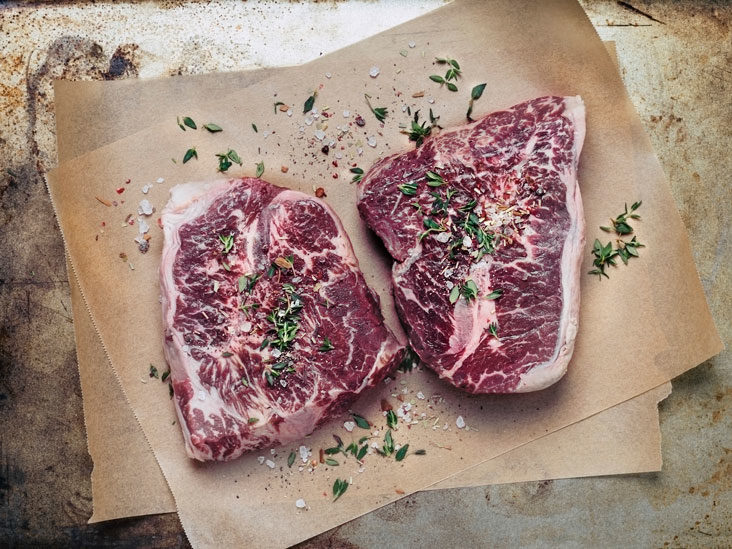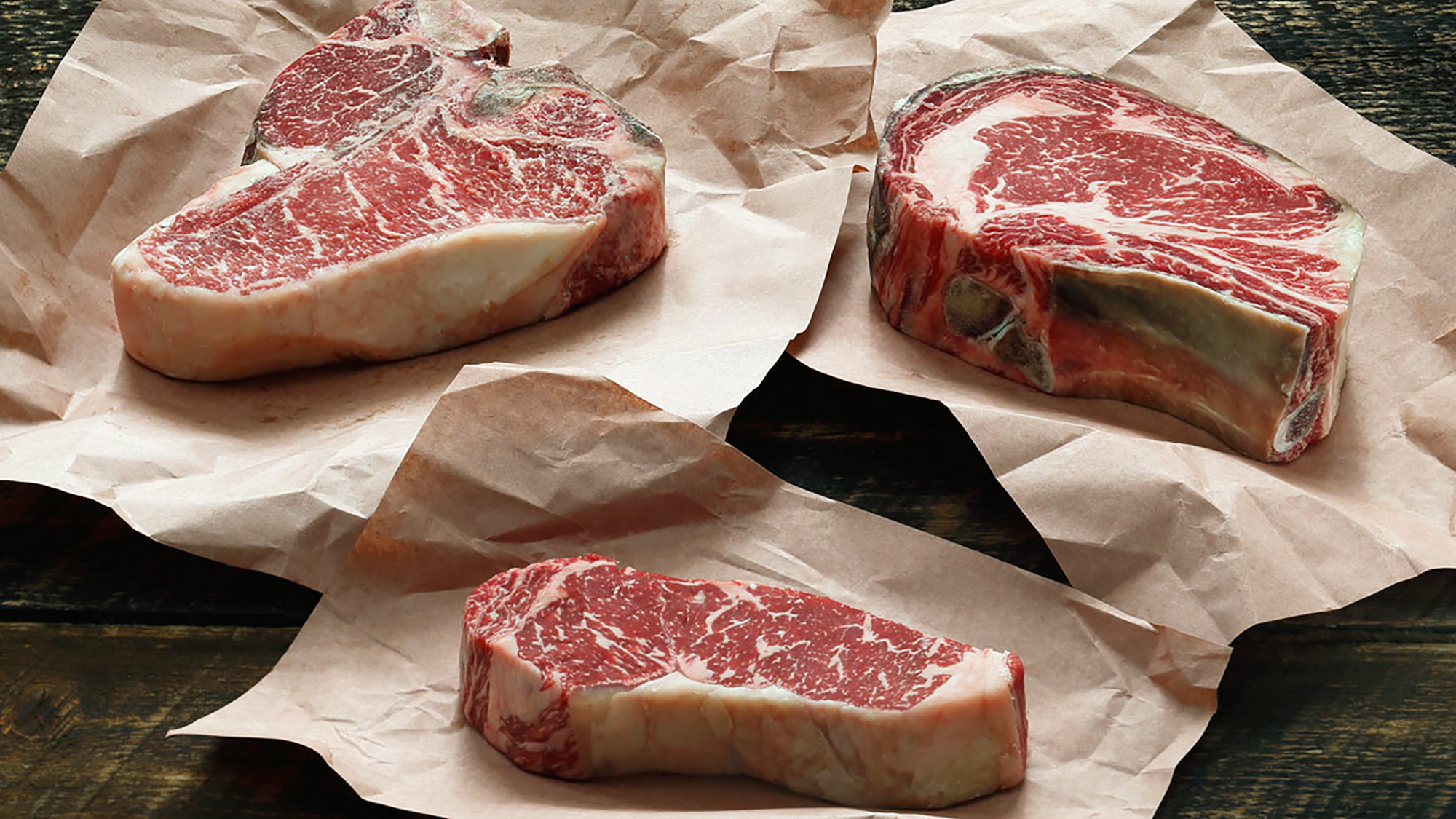
Nutritional Value of Meat: Understanding the Core Components
Meat is a powerhouse of essential nutrients that are crucial for maintaining optimal health. It provides a rich source of high-quality proteins, vitamins, and minerals that are vital for various bodily functions. Understanding the nutritional value of meat helps in making informed dietary choices that contribute to a balanced diet.
One of the primary components of meat is protein, which is essential for the growth and repair of tissues. Proteins are made up of amino acids, some of which are not synthesized by the body and must be obtained through diet. Meat provides these essential amino acids in abundance, making it a complete protein source.
In addition to proteins, meat is rich in vitamins such as B12, which is crucial for nerve function and the production of red blood cells. It also contains significant amounts of iron, zinc, and selenium, which play vital roles in immune function, oxygen transport, and antioxidant defense. These nutrients are more bioavailable in meat, meaning they are more easily absorbed and utilized by the body compared to plant sources.
Protein in Meats: A Comprehensive Guide to Essential Amino Acids
Proteins in meat are composed of essential amino acids that the body cannot produce on its own. These amino acids are vital for building muscle, repairing tissues, and supporting a healthy immune system. Meat is considered a complete protein source because it contains all nine essential amino acids in adequate proportions.
Different types of meat offer varying levels of protein. For instance, lean meats such as chicken and turkey are excellent sources of high-quality protein with lower fat content. Red meats like beef and lamb also provide substantial protein but with higher fat content, which should be considered when planning a balanced diet.
Including a variety of meats in your diet ensures a comprehensive intake of essential amino acids, supporting overall health and well-being. Moreover, the protein in meat is highly digestible, making it an efficient source of energy and nutrients for the body.
Meat in Diet: Integrating Meat for a Balanced Nutritional Intake
Incorporating meat into your diet can significantly contribute to a balanced nutritional intake. Meat provides essential nutrients that are sometimes difficult to obtain from plant-based foods alone. When consumed in moderation and as part of a varied diet, meat can enhance the overall nutrient profile of your meals.
It's important to choose the right types and cuts of meat to maximize health benefits while minimizing potential risks. Opting for lean cuts, such as skinless poultry or trimmed beef, can reduce saturated fat intake. Additionally, balancing meat consumption with a variety of fruits, vegetables, whole grains, and legumes ensures a well-rounded diet that supports overall health.
Understanding portion sizes and frequency of meat consumption is crucial. The Dietary Guidelines recommend varying protein sources and limiting red and processed meats to reduce the risk of chronic diseases. By making informed choices, meat can be a valuable component of a healthy diet.
Nutrients in Red Meat: Exploring the Richness of Iron, Zinc, and More
Red meat, such as beef, lamb, and pork, is a rich source of essential nutrients that support various bodily functions. It is particularly known for its high content of heme iron, a form of iron that is more easily absorbed by the body compared to non-heme iron found in plant sources. Iron is crucial for the production of hemoglobin, which carries oxygen in the blood.
In addition to iron, red meat is an excellent source of zinc, which is important for immune function, wound healing, and DNA synthesis. Zinc also plays a role in maintaining a healthy sense of taste and smell. Selenium, another nutrient found in red meat, acts as a powerful antioxidant that helps protect cells from damage.
While red meat offers numerous health benefits, it is important to consume it in moderation. Excessive consumption of red meat, particularly processed varieties, has been associated with an increased risk of certain health conditions. Choosing lean cuts and incorporating a variety of protein sources can help balance the nutritional benefits of red meat.
Health Benefits of Meat: Supporting Vital Bodily Functions
Meat provides a range of health benefits that support vital bodily functions. Its rich nutrient profile contributes to muscle growth, tissue repair, and overall energy levels. The high-quality protein in meat is essential for maintaining muscle mass, especially in older adults who may experience muscle loss with aging.
The vitamins and minerals found in meat, such as B vitamins, iron, and zinc, play crucial roles in cognitive function, immune health, and energy metabolism. For instance, vitamin B12, which is predominantly found in animal products, is essential for brain health and the formation of red blood cells.
Incorporating meat into a balanced diet can also aid in weight management. Protein-rich foods like meat promote satiety, helping to control appetite and reduce overall calorie intake. By supporting various bodily functions, meat can be an integral part of a healthy lifestyle when consumed mindfully.
Meat Protein Benefits: Enhancing Muscle Growth and Repair
The protein found in meat is highly beneficial for enhancing muscle growth and repair. Athletes and individuals engaged in regular physical activity often rely on meat as a primary source of protein to support their training and recovery needs. The amino acids in meat proteins are critical for repairing muscle fibers damaged during exercise.
In addition to supporting muscle growth, meat protein plays a role in maintaining bone health. Protein helps in the absorption of calcium, a mineral essential for strong bones. This makes meat an important dietary component for individuals at risk of osteoporosis or other bone-related conditions.
Furthermore, the protein in meat contributes to the production of enzymes and hormones that regulate various bodily processes. By providing a complete amino acid profile, meat protein supports overall health and vitality.
Healthiest Meat Options: Choosing the Best for Your Well-Being
When it comes to selecting the healthiest meat options, it's important to consider factors such as fat content, nutrient density, and preparation methods. Lean meats, such as chicken, turkey, and fish, are excellent choices for those looking to reduce saturated fat intake while still obtaining high-quality protein.
Fish, in particular, offers additional health benefits due to its omega-3 fatty acid content, which supports heart health and reduces inflammation. Including a variety of fish, such as salmon, mackerel, and sardines, can enhance the nutritional profile of your diet.
For those who prefer red meat, choosing lean cuts and grass-fed options can provide essential nutrients without excessive saturated fats. Grass-fed beef, for example, contains higher levels of omega-3 fatty acids and antioxidants compared to conventionally raised beef.
Ultimately, the healthiest meat options are those that align with your dietary needs and preferences while supporting overall health and well-being.
Meat Nutritional Benefits: A Key Component of a Balanced Diet
Meat offers a range of nutritional benefits that make it a key component of a balanced diet. Its rich protein content supports muscle health, while essential vitamins and minerals contribute to various bodily functions. By providing nutrients that are often less bioavailable in plant-based foods, meat plays a vital role in meeting dietary requirements.
Incorporating a variety of meats into your diet ensures a diverse intake of essential meat nutrients. From lean poultry to nutrient-dense red meats, each type offers unique benefits that contribute to overall health. By understanding the nutritional composition of meat, individuals can make informed choices that align with their health goals.
When consumed as part of a balanced diet, meat can enhance the overall nutrient profile of meals, supporting energy levels, cognitive function, and immune health. By making mindful choices and considering portion sizes, meat can be a valuable addition to a healthy lifestyle.