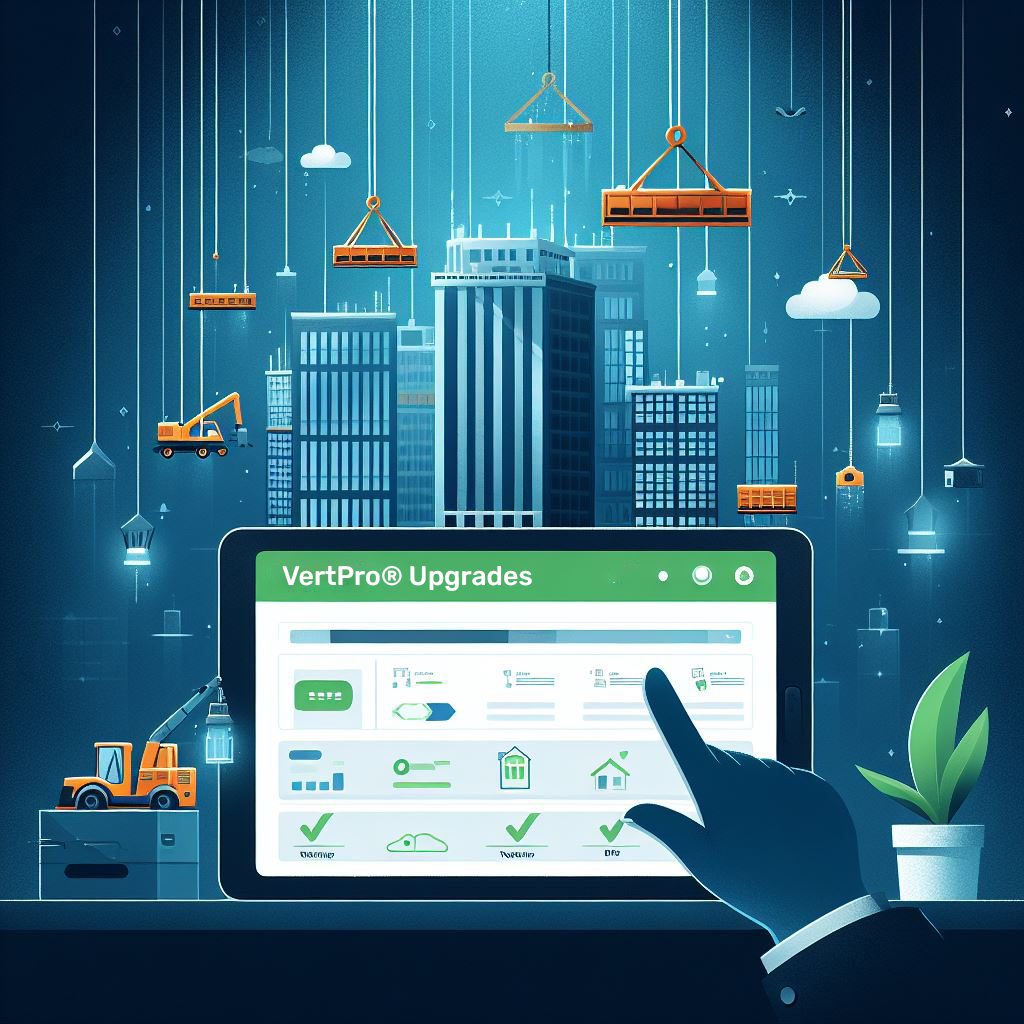



New York City has long been at the forefront of environmental initiatives, striving to reduce carbon emissions and improve energy efficiency across its iconic skyline. The city's latest energy policies are part of an ambitious plan to meet these goals, and they bring significant changes to the way building owners manage and report their energy usage. Understanding these changes is crucial for compliance and for leveraging potential benefits offered through improved energy management. This article delves into how recent adjustments in NYC's energy policies impact your energy benchmarking reports and what you can do to stay ahead.
The Evolution of NYC Energy Benchmarking
NYC energy benchmarking, a part of the city’s broader environmental agenda, requires building owners to annually measure their energy and water consumption in a practice known as benchmarking. This process has been mandated to help building owners understand their consumption patterns, compare their performance to similar buildings, and identify opportunities to increase energy efficiency.
The benchmarking process was first implemented under the [Greener, Greater Buildings Plan], which was part of a suite of laws aimed at reducing emissions and improving energy efficiency across the city’s largest buildings. Since its inception, the scope of buildings required to benchmark has expanded, and the granularity of reporting has increased, providing a more detailed picture of the city's energy landscape.
Key Updates in Energy Policies
Recent updates to NYC's energy policies have introduced more stringent energy efficiency regulations and building performance standards. These updates are not just about compliance; they also reflect a shift towards a more sustainable urban environment. Key changes include:
1. Local Law 97 of 2019: Perhaps the most significant recent development, Local Law 97 sets carbon emission limits for buildings larger than 25,000 square feet across NYC. Under this law, buildings that exceed their carbon limit could face substantial fines starting from 2024. The law mandates that buildings reduce their emissions by 40% by 2030 and by 80% by 2050.
2. Increased Scope of Mandatory Benchmarking: Recent revisions to the energy benchmarking regulations extend the requirement to smaller buildings, those measuring more than 10,000 square feet. This expansion means that more buildings than ever before are now required to submit annual energy and water consumption reports.
3. Integration of Renewable Energy Sources: The city’s new policies encourage the incorporation of renewable energy sources into buildings. This is aligned with broader state-level commitments to renewable energy and has implications for how energy consumption is reported and assessed in benchmarking reports.
Impact on Energy Benchmarking Reports
The changes in energy policies necessitate several adaptations in how building owners prepare their benchmarking reports:
- Detailed Carbon Emissions Reporting: With the implementation of Local Law 97, benchmarking reports must now include detailed information on carbon emissions. This requires building owners to not only track their energy consumption but also understand the carbon intensity of their energy sources.
- Enhanced Accuracy in Data Collection: The accuracy of energy and water usage data has become more critical than ever. Building owners may need to invest in better metering and data management systems to ensure compliance and accuracy in reporting.
- Adaptation to New Reporting Platforms: NYC has developed new platforms and tools to aid in the reporting process. Building owners need to familiarize themselves with these tools to ensure that their submissions meet the new standards. For example, the [NYC Energy Efficiency Corporation] offers resources and support for building owners looking to comply with these new regulations.
Implementing Energy Conservation Measures
To comply with the new regulations and potentially avoid fines under Local Law 97, building owners must consider implementing various energy conservation measures. These might include:
- Upgrading HVAC Systems: Modern, energy-efficient HVAC systems can drastically reduce a building’s energy consumption and its carbon footprint.
- Enhancing Building Insulation: Improving insulation helps to maintain internal temperatures, reducing the need for heating and cooling.
- Installing Energy-efficient Lighting: Switching to LED lighting and smart lighting systems can significantly cut energy use.
Building Performance Standards and Future Compliance
Building performance standards under the new policies are set to become progressively stricter. To stay ahead, building owners should engage in continuous improvement of their energy management practices, which could include regular energy audits, retrofitting older equipment, and adopting advanced energy management systems.
Conclusion
The latest NYC energy policies represent a bold step towards a more sustainable urban future. These changes require building owners to pay closer attention to their energy management and reporting practices. By understanding and adapting to these new requirements, building owners can not only comply with the regulations but also significantly benefit from reduced energy costs and improved building performance.