


Customer Relationship Management (CRM) software has become an essential tool for businesses looking to streamline operations, enhance customer experiences, and drive sales growth. However, as industries become more specialized, the demand for industry-specific CRMs is rising. These tailored solutions provide businesses with unique features designed to meet their specific needs, leading to increased efficiency and profitability. In this blog, we will explore why businesses are switching to industry-specific CRMs and how these solutions can benefit different sectors.
Understanding Industry-Specific CRMs
Unlike traditional CRMs, which offer generalized features for managing customer relationships, industry-specific CRMs are customized to meet the unique requirements of different industries. These CRMs come preloaded with industry-relevant workflows, automation tools, and integrations, making them more efficient for businesses operating in niche markets.
Key Reasons Businesses Are Adopting Industry-Specific CRMs
1. Tailored Features and Functionality
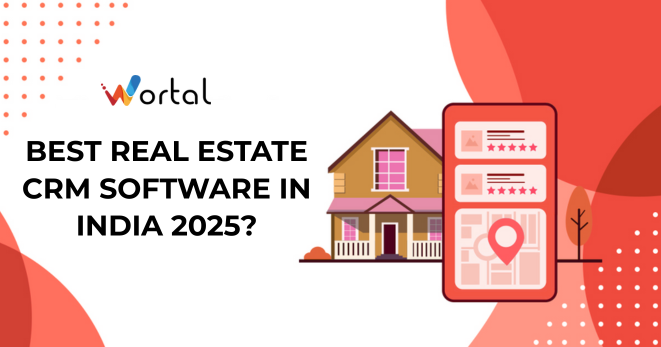
One of the main reasons businesses are transitioning to industry-specific CRMs is the availability of specialized features. For instance, a real estate CRM includes property listing management, contract automation, and lead-tracking tools, whereas a healthcare CRM offers patient scheduling, medical history tracking, and HIPAA-compliant communication features. These tailored functions help businesses optimize operations and improve efficiency.
2. Improved Workflow Automation
Industry-specific CRMs eliminate the need for excessive customization by providing predefined workflows suited to specific sectors. Businesses can automate routine tasks such as invoicing, appointment scheduling, follow-ups, and order processing, reducing manual effort and minimizing errors.
3. Seamless Integration with Industry Tools
General CRMs often require multiple integrations with third-party tools, which can be costly and time-consuming. Industry-specific CRMs, however, come equipped with built-in integrations for industry-standard software, making it easier for businesses to connect their CRM with existing systems. For example, a manufacturing CRM can integrate with supply chain management software, while a legal CRM can connect with case management platforms.
4. Enhanced Compliance and Security
Certain industries, such as finance, healthcare, and legal services, have strict compliance and regulatory requirements. Industry-specific CRMs are designed to meet these standards, ensuring data security and regulatory adherence. For example, financial CRMs offer features like KYC verification and secure transaction logging to meet compliance requirements.
5. Better Customer Experience
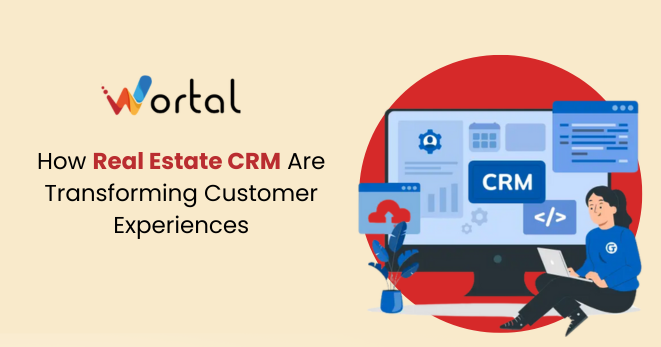
A CRM Software tailored to a specific industry allows businesses to provide personalized customer experiences. With customized dashboards, real-time analytics, and industry-relevant communication tools, businesses can respond to customer needs more effectively. For instance, an e-commerce CRM may include AI-driven product recommendations and automated customer support, improving engagement and satisfaction.
Conclusion
The shift toward industry-specific CRMs is driven by the need for tailored solutions that cater to unique business requirements. These CRMs provide specialized features, improve automation, enhance security, and integrate seamlessly with industry tools. As businesses continue to seek efficient and effective ways to manage customer relationships, industry-specific CRMs are becoming the preferred choice over generic solutions. If your business is looking for a CRM that meets your industry's unique needs, exploring an industry-specific solution could be the key to greater efficiency and success.