


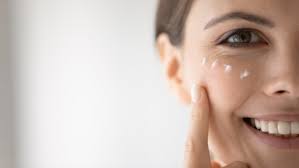
What is Hydroquinone?
Hydroquinone is a commonly used skin-lightening agent that works by inhibiting melanin production in the skin. Melanin is the pigment produced by melanocytes in the skin that determines skin color. While melanin gives skin its tan or dark color, it also provides protection from sun damage. Hydroquinone works to lighten skin by blocking the process of melanin synthesis within melanocytes.
History and uses of Hydroquinone
Hydroquinone was first used as an anti-pigmentation ingredient in skin creams and lotions in the late 19th century. In the 1960s, hydroquinone became one of the most widely used skin-lightening ingredients. Today, hydroquinone is commonly formulated at concentrations between 2-4% in over-the-counter skin lightening products. It remains a popular choice for lightening skin pigmentation issues like melasma, age spots, freckles, and post-inflammatory hyperpigmentation. Hydroquinone has also found some off-label cosmetic uses in lightening skin overall for a fairer complexion.
How Effective is Hydroquinone?
Studies have shown hydroquinone to be an effective skin-lightening agent when used as directed over a period of several months. With regular application, most users see a noticeable lightening and fading of darkened skin patches within 8-12 weeks. Hydroquinone works best for relatively minor cases of hyperpigmentation rather than deep seeded or hereditary dark skin. For maximum effectiveness, hydroquinone is often combined with other anti-pigmentation ingredients like Kojic acid, Azelaic acid, Arbutin or Vitamin C.
Potential Side Effects of Hydroquinone
While an effective lightening agent, hydroquinone does carry some safety risks that have led to its regulation in many countries. Some potential side effects include: - Irritation and dermatitis: High percentages of hydroquinone (over 4%) can cause redness, burning, itching and dermatitis in many users. - Exogenous ochronosis: Long term use of hydroquinone, especially at high concentrations, has been linked to a rare condition called exogenous ochronosis. It causes blue-black hyperpigmentation of the skin. - Carcinogenic properties: Some research has suggested hydroquinone may have carcinogenic or tumor-promoting properties. It has been classified by the EPA as a possible human carcinogen. - Oxidative stress: Hydroquinone may cause oxidative stress within skin cells through the production of free radicals that damage DNA. - Mercury pollution: Most hydroquinone is synthesized using mercury, an unsafe neurotoxin. Trace mercury residues may remain. - Embryotoxic effects: Hydroquinone is suspected of potentially harmful effects if used during pregnancy due to its ability to cross the placental barrier. - Rebound hyperpigmentation: Some people experience darker and spread out hyperpigmentation upon discontinuing hydroquinone, known as rebound hyperpigmentation.
Regulations around Hydroquinone Usage
Due to the potential safety issues, many countries have placed regulations around hydroquinone usage in cosmetic products: - EU: Use of hydroquinone is banned in cosmetic products in the EU. - USA: The FDA limits hydroquinone to a maximum of 2% concentration in OTC products without a prescription. - India: Hydroquinone concentration is restricted to 2% in leave-on products and 4% in rinse-off products by the DCC. - South Korea: Usage of hydroquinone over 1% requires a prescription by theKFDA. - Japan: Cosmetic registration restricts hydroquinone to below 1% concentration. - Australia: The TGA only permits hydroquinone under prescription by a doctor or dermatologist.
Alternatives to Hydroquinone
Due to safety concerns, some effective alternatives to hydroquinone are worth considering for lighter skin pigmentation issues: - Kojic acid: Derived from fungi, it inhibits tyrosinase activity to fade darkened skin patches. Can cause skin irritation at high concentrations. - Arbutin: A naturally derived alternative also works as a tyrosinase inhibitor with milder side effects than hydroquinone. Requires more frequent application. - Licorice extract: Glycyrrhizic acid in licorice root extract inhibits melanogenesis within melanocytes to lighten skin over time with continued use. Very mild irritancy. - Azelaic acid: Works both as an anti-inflammatory and tyrosinase inhibitor to fade hyperpigmentation. Gentle enough for sensitive skin but requires patience. - Vitamin C: Its antioxidant properties can help fade spots and brighten skin texture overall. Best combined with other proven lighteners for hyperpigmentation. - Laser treatments: Intense pulsed light (IPL) and laser resurfacing methods may yield faster improvement for darker patches when performed by a certified dermatologist. Risks of downtime, scarring and expense involved. Hydroquinone is a standby anti-pigmentation ingredient in many skincare products, its potentially harmful side effects have led to tighter usage regulations globally. For most mild cases of hyperpigmentation, gentler natural alternatives when consistently applied may yield skin brightening results with fewer risks over time. However, for deeply ingrained or larger patches, hydroquinone under medical guidance may still be preferable after evaluating the potential side effects and need for additional treatments to prevent rebound pigmentation. As with any skin lightening active, photoprotection is also important while fading darkened areas. \
Get This Report in Japanese Language -ハイドロキノン市場
Get This Report in Korean Language -하이드로퀴논 시장
About Author:
Priya Pandey is a dynamic and passionate editor with over three years of expertise in content editing and proofreading. Holding a bachelor's degree in biotechnology, Priya has a knack for making the content engaging. Her diverse portfolio includes editing documents across different industries, including food and beverages, information and technology, healthcare, chemical and materials, etc. Priya's meticulous attention to detail and commitment to excellence make her an invaluable asset in the world of content creation and refinement.
(LinkedIn- https://www.linkedin.com/in/priya-pandey-8417a8173/)


We all know that chemical compounds are harmful to our nature.
And hence uses of eco-friendly chemicals are more reliable to our earth.
If we speak about using chemicals to clean our pets’ eco-friendly chemicals are more useful.
We all want to make sure that our pets should be clean and safe.