What is Octreotide?
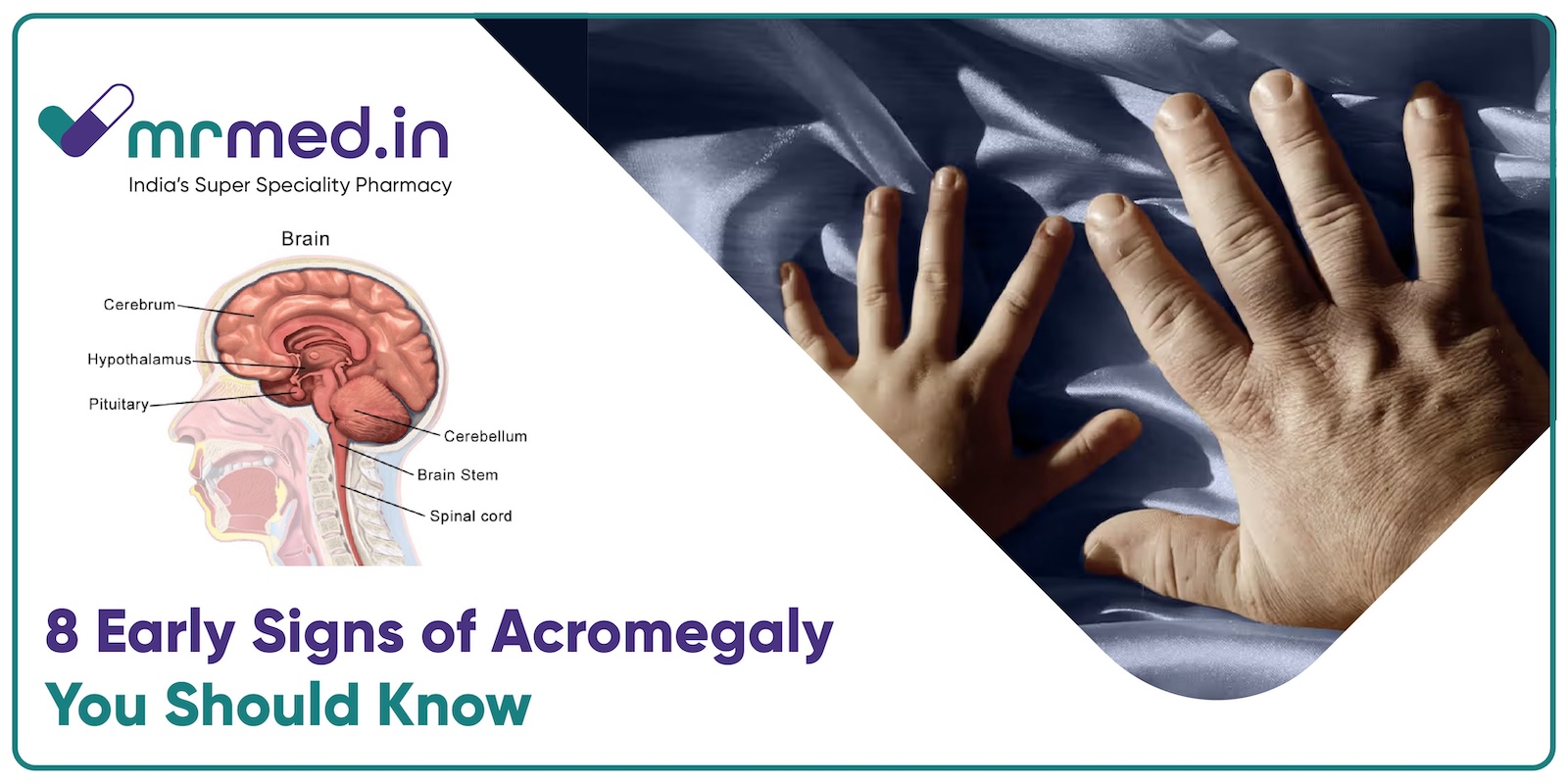
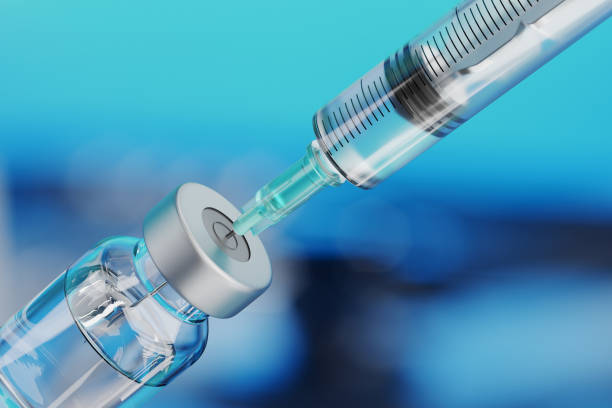
Octreotide is a synthetic octapeptide that is an octreotide analogue of the natural peptide hormone somatostatin. It is used primarily for acute bleeding esophageal varices in people who are critically ill or undergoing transjugular intrahepatic portosystemic shunt (TIPS) placement. How does it work? Octreotide works by binding to somatostatin receptors on the cell surfaces and inhibiting the release of growth hormone and some other hormones. In the digestive system, it decreases splanchnic blood flow by vasoconstricting the vessels supplying the gastrointestinal tract and pancreas. This helps to manage conditions such as acromegaly, carcinoid syndrome, and vasoactive intestinal peptide tumors by slowing hormone release from tumors in these conditions. Medical uses of Octreotide Treatment of acromegaly: Octreotide is commonly used in the treatment of acromegaly, a rare disorder caused by excessive growth hormone levels. It works by binding to somatostatin receptors on pituitary tumor cells and inhibiting growth hormone secretion. Management of carcinoid syndrome: Carcinoid tumors are rare neuroendocrine tumors that often secrete vasoactive substances like serotonin. This can cause flushing, diarrhea, wheezing, and right-sided heart disease known as carcinoid heart disease. Octreotide helps to relieve these symptoms by inhibiting the secretion of vasoactive substances. Treatment of VIPomas: Vasoactive intestinal peptide tumors (VIPomas) cause a condition called Verner-Morrison syndrome by secreting high levels of VIP hormone. This leads to profuse watery diarrhea, hypokalemia, and metabolic derangements. Octreotide treatment decreases VIP secretion and provides relief from symptoms. Bleeding esophageal varices: Octreotide is used for acute bleeding esophageal varices in people with liver cirrhosis. By suppressing splanchnic blood flow, it helps stop bleeding and reduces the risk of rebleeding. It acts as a bridge to definitive treatments like TIPS placement. Prevention of complications after pancreatic surgery: Administration of octreotide after pancreatic surgery helps reduce the risk of pancreatic fistula and other postoperative complications by inhibiting the release of pancreatic juices and decreasing pancreatic blood flow. Potential side effects of Octreotide Like all medications, Octreotide also has certain potential side effects: - Gastrointestinal side effects: Nausea, vomiting, diarrhea, abdominal discomfort, and flatulence are common due to inhibitory effects on multiple gastrointestinal hormones. - Hypoglycemia: By inhibiting insulin secretion, octreotide can cause hypoglycemia, especially in people taking other diabetic medications. Blood sugar level monitoring is needed. - Gallbladder abnormalities: Long term use has been linked to gallstone formation or sludge in the gallbladder. - Injection site reactions: Pain, swelling, or redness may occur at the injection site in some individuals. - Cardiovascular effects: Rare cases of bradycardia and hypotension have also been reported. - Hormonal and metabolic changes: Alterations in thyroid and sex hormone levels, as well as changes in electrolytes like potassium, have also seen in a few patients. Proper precautions and monitoring help minimize potential side effects of octreotide treatment in most cases. Patients should discuss risks and benefits with their doctors before starting therapy. Subcutaneous versus LAR formulations Octreotide comes in two main formulations - immediate-release injections given 2-4 times daily and long-acting release (LAR) injections given monthly. The immediate-release subcutaneous injections provide faster onset but shorter duration of action requiring multiple daily doses. They are often used for conditions like carcinoid crisis. In contrast, octreotide LAR Depot injections release the drug gradually over a month through tiny biodegradable microspheres. They provide steadier hormone levels with less frequent dosing and are preferred for long-term management of conditions like acromegaly reducing daily treatment burden. Role of Octreotide in current medical practice Octreotide has established itself as a very effective therapeutic option for various hormonal tumors and digestive disorders. Its ability to bind somatostatin receptors widespread in the body makes it useful for: - Managing symptoms from neuroendocrine tumors like carcinoid tumors and VIPomas. - Controlling acromegaly by suppressing excess growth hormone levels. - Relieving complications of cirrhosis like esophageal varices bleeding through its splanchnic vasoconstriction properties. - Reducing postoperative complication risks in surgeries involving pancreas and gastrointestinal system. With the availability of long-acting monthly formulations and proven safety record, octreotide has significantly helped improve outcomes and quality of life for patients with conditions where hormonal dysregulation or excess blood flow plays a key role. It continues to be an important treatment option for clinicians dealing with such medical issues.
Get This Report in Japanese Language -オクトレオチド市場
Get This Report in Korean Language -옥트레오티드 시장
About Author:
Priya Pandey is a dynamic and passionate editor with over three years of expertise in content editing and proofreading. Holding a bachelor's degree in biotechnology, Priya has a knack for making the content engaging. Her diverse portfolio includes editing documents across different industries, including food and beverages, information and technology, healthcare, chemical and materials, etc. Priya's meticulous attention to detail and commitment to excellence make her an invaluable asset in the world of content creation and refinement.
(LinkedIn- https://www.linkedin.com/in/priya-pandey-8417a8173/)