What is Verteporfin?
Verteporfin (trade name Visudyne) is a light activated drug used for photodynamic therapy. Chemically, it is a chlorine derivative of benzoporphyrin that acts as a photosensitizing agent. When activated by light of a specific wavelength, it produces a photochemical reaction that results in localized tissue destruction. This makes it useful for treating certain ocular diseases like age-related macular degeneration.
How does it work?
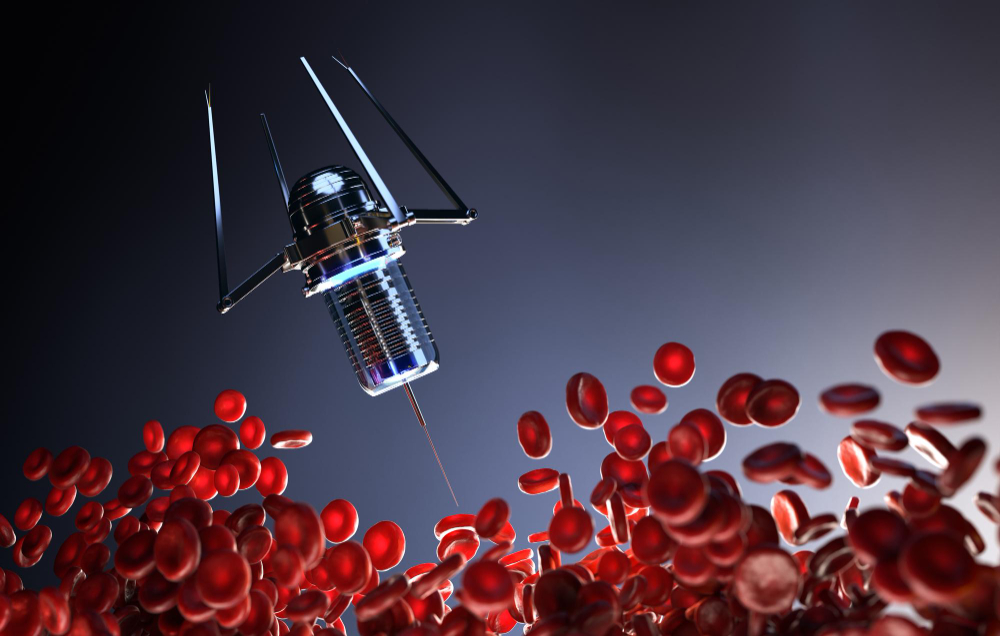
Verteporfin is administered intravenously and circulates systemically. However, it preferentially accumulates in abnormal blood vessels in the eyes due to their leaky nature. A non-thermal laser light at 693 nm wavelength is then shone on the diseased area of the retina. This causes the verteporfin molecules to become activated. In its activated state, verteporfin generates reactive oxygen species like singlet oxygen which causes damage to the surrounding tissues. This safely seals off the abnormal blood vessels without harming adjacent retinal tissues. The end result is long-term closure of pathological blood vessels with preservation of vision.
Uses of Verteporfin
The main medical use of verteporfin is in the treatment of wet age-related macular degeneration (AMD). This late form of AMD is characterized by growth of abnormal blood vessels underneath the retina from the choroid layer. These new vessels are fragile and prone to leakage, causing damage to the retina and loss of central vision over time. Verteporfin therapy via photodynamic therapy closes off these leaky vessels, thereby stopping the leakage and preventing further vision loss. This has established it as an important treatment option for wet AMD patients.
Some other potential uses of verteporfin photodynamic therapy include:
- Central serous retinopathy: It shows promise in treating persistent or recurrent cases not responsive to other treatments.
- Chronic central retinal vein occlusion: May help reduce macular edema in these patients. - Polypoidal choroidal vasculopathy: An emerging treatment for this subtype of AMD characterized by polypoidal lesions.
- Diabetic macular edema: Early research indicates it may be useful here but requires more evidence.
Safety and side effects of Verteporfin
When used under medical supervision, verteporfin photodynamic therapy is generally well-tolerated. Common side effects include temporary visual disturbances like blurred or reduced vision, increased sensitivity to light, and visual field defects. These usually resolve within a few hours or days. Rare but serious adverse effects involve exacerbation of underlying retinal conditions, especially if the laser light is misapplied. There is also a small risk of photosensitivity reactions to sunlight for several days after treatment. Therefore protective eyewear and limiting sun exposure are recommended.
Long term efficacy and future directions
Repeated verteporfin treatments are required for managing wet AMD as new blood vessels may reform over time. Clinical trials have established its efficacy for preserving vision over 2 years compared to placebo. Studies are also exploring its combination with anti-VEGF drugs to boost treatment outcomes. Research focuses on refining photodynamic protocols, identifying biomarkers for patient selection, and developing verteporfin formulations for different administration routes. This could potentially expand its applications. New photosensitizers are also under investigation to overcome some limitations of verteporfin like short half-life and requirement of intravenous administration. In verteporfin photodynamic therapy revolutionized the management of wet AMD since its approval in 2000. Though anti-VEGF drugs are now first-line, it still has a role to play either alone or in combination for certain patient subgroups. Continuing advancements aim to enhance its benefits further.
Get This Report in Japanese Language -ヴェルテポルフィン市場
Get This Report in Korean Language -베르테포르핀 시장
About Author:
Priya Pandey is a dynamic and passionate editor with over three years of expertise in content editing and proofreading. Holding a bachelor's degree in biotechnology, Priya has a knack for making the content engaging. Her diverse portfolio includes editing documents across different industries, including food and beverages, information and technology, healthcare, chemical and materials, etc. Priya's meticulous attention to detail and commitment to excellence make her an invaluable asset in the world of content creation and refinement.
(LinkedIn- https://www.linkedin.com/in/priya-pandey-8417a8173/)