

Scoliosis is a spinal condition characterized by an abnormal lateral curvature of the spine, which can cause discomfort, stiffness, and pain. While some cases of scoliosis are mild and do not cause significant pain, others can lead to chronic discomfort and reduced mobility. Proper pain management is essential to improve the quality of life for individuals living with scoliosis. Here are some effective treatment methods for managing scoliosis pain.
1. Physical Therapy and Exercise
Regular physical therapy and targeted exercises can strengthen the muscles supporting the spine, improving posture and reducing pain. Some beneficial exercises include:
2. Pain Medications
Over-the-counter (OTC) and prescription medications can help alleviate scoliosis-related pain:
3. Bracing for Support
For individuals with progressive scoliosis, wearing a brace can help stabilize the spine and prevent further curvature. Although bracing is typically used in adolescents with growing spines, it may also provide some pain relief in adults by offering additional support.
4. Chiropractic Care
Chiropractic adjustments may provide temporary relief by realigning the spine and reducing tension in surrounding muscles. However, it is important to consult a healthcare professional before seeking chiropractic care to ensure it is safe and beneficial for your specific condition.
5. Massage Therapy
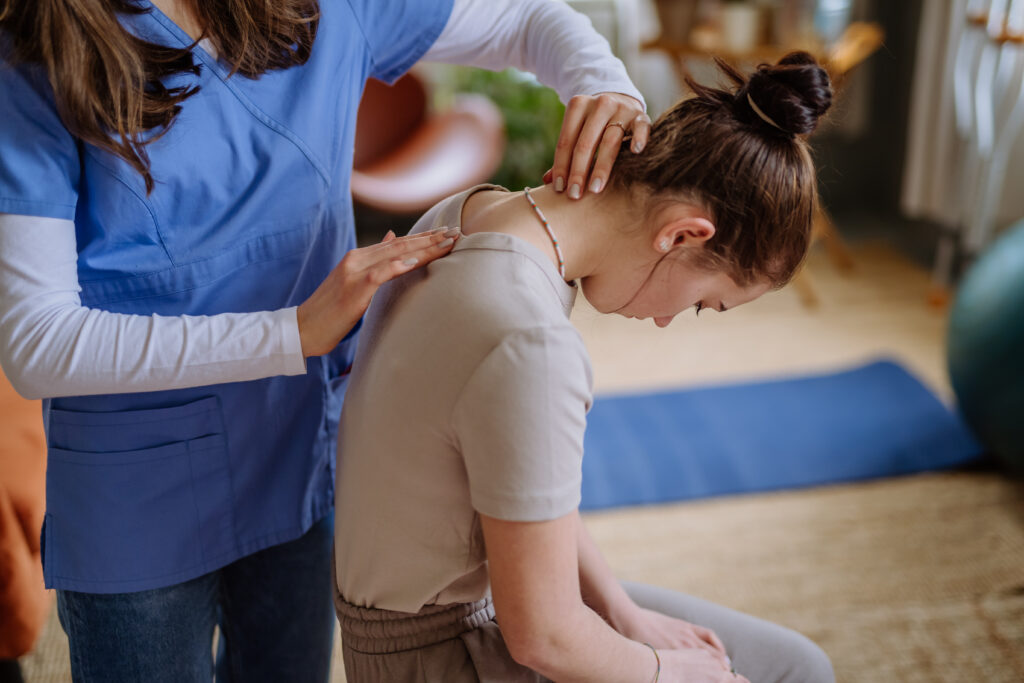
Massage therapy can help alleviate muscle tightness and improve blood circulation, reducing pain and discomfort. Techniques such as deep tissue massage or myofascial release may be beneficial for individuals with scoliosis.
6. Heat and Cold Therapy
Applying heat packs can help relax tense muscles, while cold therapy (ice packs) can reduce inflammation and numb localized pain. Alternating between heat and cold therapy may be particularly effective for managing scoliosis pain.
7. Posture Correction and Ergonomics
Maintaining proper posture and using ergonomic furniture can reduce strain on the spine. Some key tips include:
8. Alternative Therapies
Several alternative treatments may provide relief for scoliosis pain, including:
9. Surgical Intervention (For Severe Cases)
For individuals with severe scoliosis and persistent pain that does not respond to conservative treatments, surgery may be an option. Spinal fusion surgery is the most common procedure used to correct spinal curvature and provide long-term pain relief.
Conclusion
Managing scoliosis pain requires a combination of therapies tailored to an individual’s needs. From physical therapy and medications to alternative treatments and lifestyle adjustments, various approaches can help alleviate discomfort. Consulting a healthcare professional is essential to develop a personalized treatment plan that best suits your condition and lifestyle.