

The Spiritual Significance of the Char Dham Pilgrimage
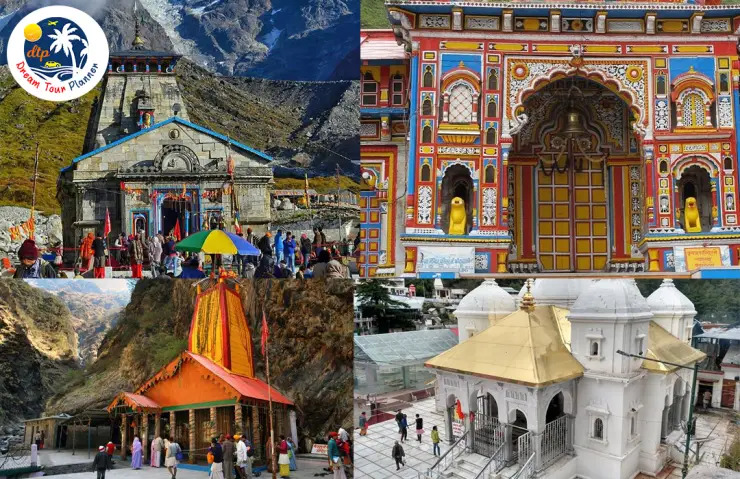
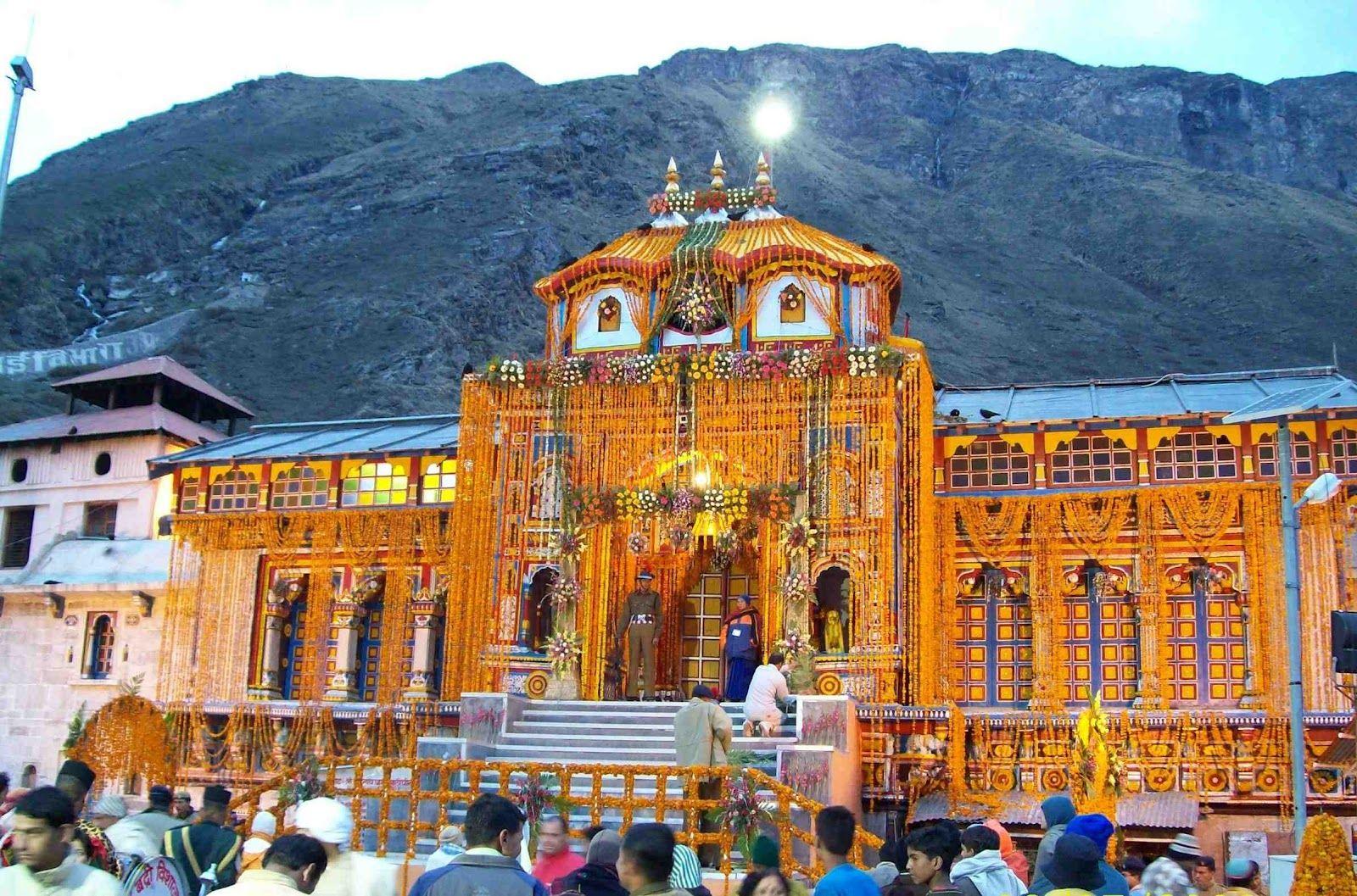
The Char Dham pilgrimage holds a profound place in Hindu tradition, symbolizing the journey to attain moksha, or liberation. The four sacred sites—Yamunotri, Gangotri, Kedarnath, and Badrinath—are nestled in the majestic Himalayas, each representing a vital aspect of the spiritual quest. Yamunotri, the source of the Yamuna River, is dedicated to Goddess Yamuna, while Gangotri, the origin of the Ganges, honors Goddess Ganga. Kedarnath, home to a revered Shiva temple, and Badrinath, dedicated to Lord Vishnu, complete the circuit. Pilgrims believe that visiting these sites cleanses the soul and brings them closer to the divine.
Choosing the Right Char Dham Tour Package
Selecting an appropriate Char Dham tour package is crucial for a seamless pilgrimage. Tour operators offer a range of packages tailored to different budgets and preferences, from budget-friendly group tours to luxurious private journeys. Consider the duration, inclusions such as accommodation, meals, and transportation, and any additional services like guided tours or spiritual rituals. It's essential to ensure that the package covers all four dhams and provides adequate time at each site for worship and exploration. Reading reviews and seeking recommendations can also help in making an informed choice.
Embarking on the Char Dham Yatra: A Journey of Devotion
The Char Dham Yatra is more than a physical journey; it's a spiritual odyssey that requires preparation and dedication. Pilgrims often start their journey with a prayer for safe travels and divine blessings. The pilgrimage typically begins in the west at Yamunotri, proceeding to Gangotri, Kedarnath, and concluding at Badrinath in the east. Each site offers unique challenges, from trekking through rugged terrain to braving unpredictable weather, testing the resolve and faith of the pilgrims. Despite these challenges, the journey is rewarding, offering breathtaking views and profound spiritual experiences.
Navigating the Char Dham Pilgrimage Route
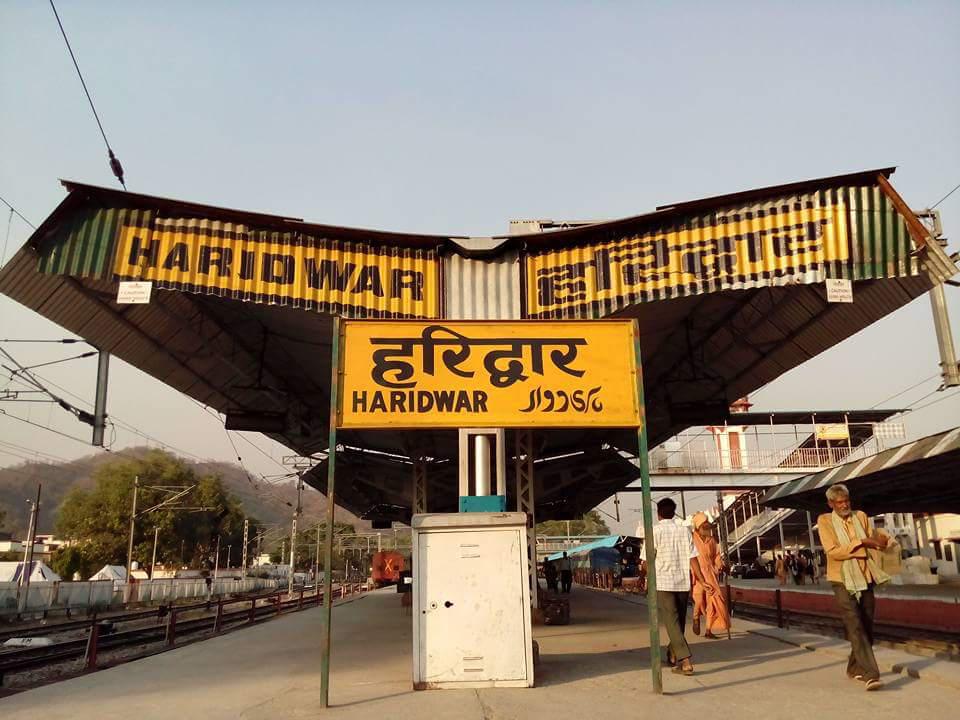
The Char Dham pilgrimage route is a well-trodden path, yet it demands careful planning. Starting from Haridwar or Rishikesh, pilgrims typically travel by road to Yamunotri, the first dham. From there, they proceed to Gangotri, often taking a detour to visit the picturesque town of Uttarkashi. The route to Kedarnath involves a trek from Gaurikund, while Badrinath is accessible by road. It's advisable to travel with a local guide familiar with the terrain and to check road conditions and weather forecasts regularly. Adequate rest and acclimatization are essential to tackle the high altitudes.
Comprehensive Char Dham Travel Guide: Tips for a Memorable Journey
A successful Char Dham Yatra requires meticulous planning and preparation. Start by researching the best time to visit, typically from April to June and September to October, avoiding the monsoon season. Pack appropriately, with warm clothing, sturdy footwear, and essential medications. Ensure your travel documents are in order, and keep copies of important papers. It's also wise to carry a basic first-aid kit, sufficient cash, and a power bank for electronic devices. Respect local customs and traditions, and maintain cleanliness to preserve the sanctity of these holy sites.
Crafting the Perfect Char Dham Itinerary: Planning and Execution
Planning a Char Dham itinerary involves balancing time, travel, and spiritual activities. Allocate at least 10 to 14 days for the pilgrimage, allowing for travel delays and rest days. Begin with Yamunotri, spending a day or two before moving to Gangotri. After a day of rest, proceed to Kedarnath, where the trek requires additional time and energy. Conclude the journey at Badrinath, spending a couple of days to explore nearby attractions like Mana Village and the Vasudhara Falls. Flexibility is key, as weather conditions or other unforeseen circumstances may necessitate changes to your itinerary.
Maximizing Your Experience with Char Dham Sightseeing Tips
While the primary focus of the Char Dham Yatra is spiritual, there's much to explore beyond the temples. In Yamunotri, visit the Surya Kund hot springs and the Divya Shila rock pillar. Gangotri offers the Bhagirathi Shila and the submerged Shivling. At Kedarnath, the stunning views of the Kedarnath Range are a must-see, along with the Bhairavnath Temple. In Badrinath, explore the Tapt Kund hot springs and the picturesque Neelkanth peak. Engage with local culture, savor regional cuisine, and capture the beauty of the Himalayas through photography.
Understanding Char Dham Weather Considerations for a Safe Pilgrimage
Weather plays a crucial role in the Char Dham Yatra, influencing travel plans and safety. The best time to visit is during the summer months, from April to June, when the weather is relatively mild. The post-monsoon season, from September to October, also offers favorable conditions. Monsoon months, from July to August, bring heavy rainfall, increasing the risk of landslides and road closures. Winter months, from November to March, see heavy snowfall, making travel difficult and often leading to the closure of the dhams. Always check weather forecasts before departure and be prepared for sudden changes in conditions.
Conclusion: Embracing the Spirit of the Char Dham Yatra
The Char Dham Yatra is a transformative journey that combines devotion, adventure, and the beauty of the Himalayas. As you embark on this sacred pilgrimage, embrace the challenges and rewards it offers. With careful planning, respect for local traditions, and an open heart, the Char Dham Yatra can be a profound spiritual experience that leaves a lasting impact on your soul. Whether traveling alone or with a group, remember to cherish each moment and the divine connection it fosters.


The Char Dham Yatra is one of the most spiritually significant pilgrimages in India. Covering the four sacred shrines of Yamunotri, Gangotri, Kedarnath, and Badrinath, the