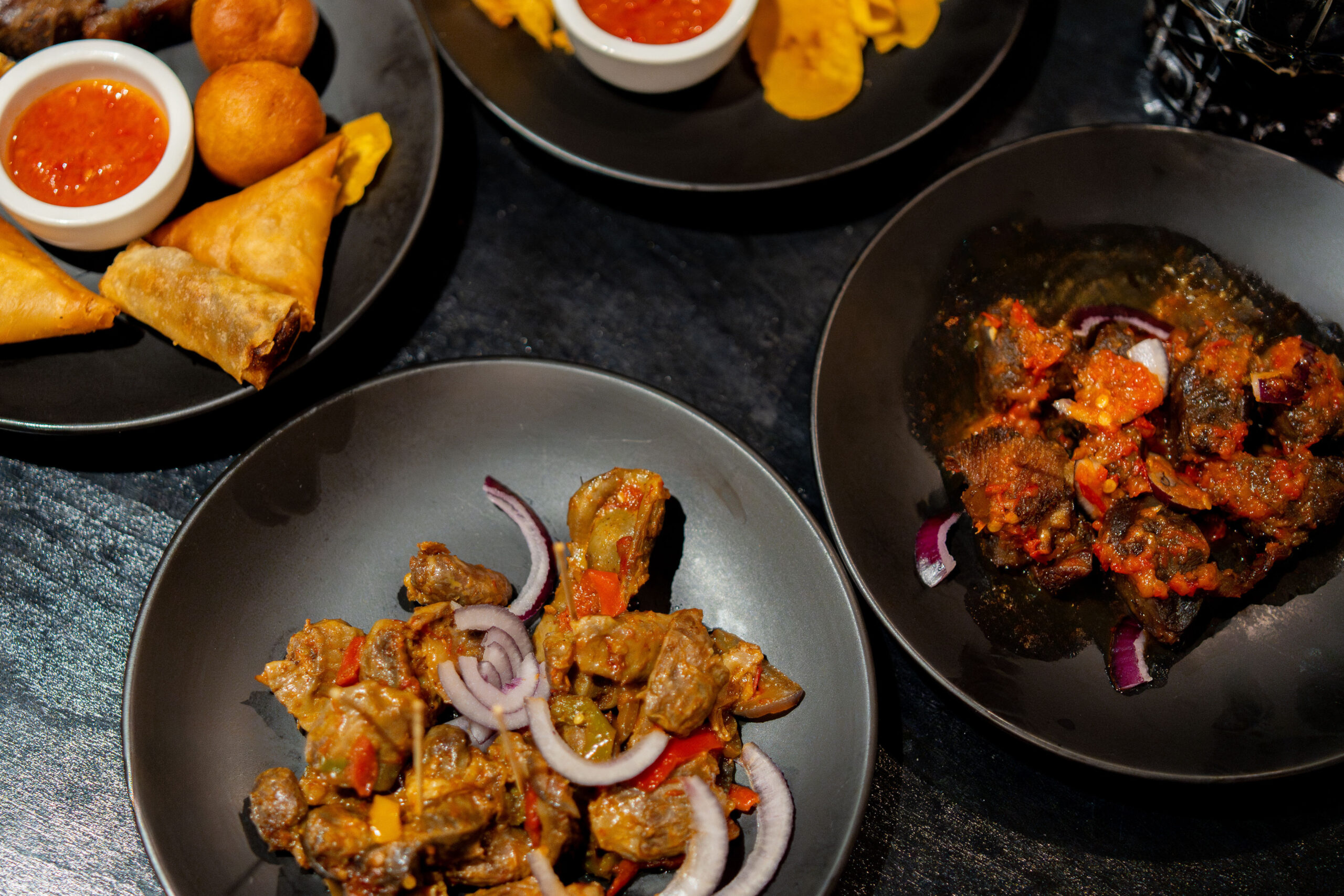
African cuisine is a vibrant tapestry woven with diverse flavors, ingredients, and culinary traditions. The continent's vast landscape, ranging from arid deserts to lush rainforests, has given rise to a rich variety of foods and cooking techniques. This article delves into the unique flavors that define African cuisine, offering a glimpse into the cultural stories and traditions behind them.
The Rich Tapestry of African Ingredients
Central to the uniqueness of African cuisine is its array of indigenous ingredients. Staples like millet, sorghum, and teff have been cultivated for centuries, providing essential nutrients and forming the backbone of many traditional dishes. These grains are often paired with legumes such as cowpeas and lentils, which are not only nutritional powerhouses but also contribute to the rich, earthy flavors characteristic of African meals.
Spices play a pivotal role in defining the taste of African dishes. From the fiery heat of peri-peri peppers to the aromatic blend of berbere spice, these ingredients infuse meals with a distinctive warmth and complexity. Additionally, the use of fresh herbs like cilantro, parsley, and mint adds a refreshing contrast to the robust flavors of African cooking.
Exploring Popular African Dishes
Across the continent, countless dishes showcase the diversity and creativity of African cuisine. In West Africa, jollof rice is a beloved staple, with each country adding its twist to the recipe. This one-pot dish, made with rice, tomatoes, and a medley of spices, is often served with grilled or fried meats, providing a satisfying and flavorful meal.
In East Africa, ugali is a common accompaniment to many dishes. Made from maize flour, this simple yet versatile staple is often paired with stews and vegetables, allowing the flavors of the accompanying dishes to shine. Similarly, in Southern Africa, pap, a porridge made from maize, is a staple food that complements a variety of savory dishes.
North African cuisine is renowned for its fragrant tagines, slow-cooked stews that combine meat, vegetables, and an array of spices. These dishes are often served with couscous, a light and fluffy grain that absorbs the rich flavors of the stew. In the Horn of Africa, injera, a sourdough flatbread, is a key component of meals, used to scoop up flavorful stews and vegetable dishes.
The Cultural Stories Behind African Cuisine
Food in Africa is deeply intertwined with cultural traditions and social practices. Many African dishes are prepared and shared during communal gatherings, reinforcing social bonds and fostering a sense of community. For instance, in Ethiopia, the sharing of injera and stews is a symbol of hospitality and togetherness, reflecting the importance of communal dining in Ethiopian culture.
In West Africa, the preparation of jollof rice is often a collaborative effort, with family members and friends coming together to cook and share the meal. This communal cooking process is not only a way to prepare food but also an opportunity to strengthen relationships and pass down culinary traditions from one generation to the next.
In many African societies, food is also a way to celebrate important life events and rituals. From weddings and birth ceremonies to harvest festivals, food plays a central role in marking these occasions, with specific dishes and ingredients symbolizing prosperity, fertility, and abundance.
The Influence of African Cuisine on Global Food Culture
African cuisine has made significant contributions to global food culture, with its flavors and ingredients finding their way into kitchens around the world. The African diaspora has played a crucial role in spreading African culinary traditions, leading to the fusion of African flavors with other cuisines and the emergence of new and exciting dishes.
In the United States, for example, the influence of African cuisine can be seen in dishes like gumbo and jambalaya, which have roots in West African cooking. Similarly, in the Caribbean, African culinary traditions have blended with indigenous and European influences to create vibrant and diverse food cultures.
As interest in global cuisines continues to grow, African cuisine is gaining recognition for its rich flavors and unique culinary heritage. Chefs and food enthusiasts are increasingly exploring African ingredients and cooking techniques, bringing the vibrant tastes of Africa to a wider audience.
Conclusion: Celebrating the Unique Flavors of African Cuisine
The flavors of African cuisine are as diverse and dynamic as the continent itself. From the hearty stews of West Africa to the fragrant tagines of North Africa, each dish tells a story of culture, tradition, and community. As we continue to explore and celebrate the unique flavors of African cuisine, we gain a deeper appreciation for the rich culinary heritage that has shaped the continent's food culture.
Whether enjoyed in the bustling markets of Lagos or the quiet kitchens of rural Ethiopia, the taste africana is a testament to the creativity and resilience of African people. Through their food, they share their stories, their traditions, and their love of life, inviting us all to experience the vibrant flavors of Africa.