


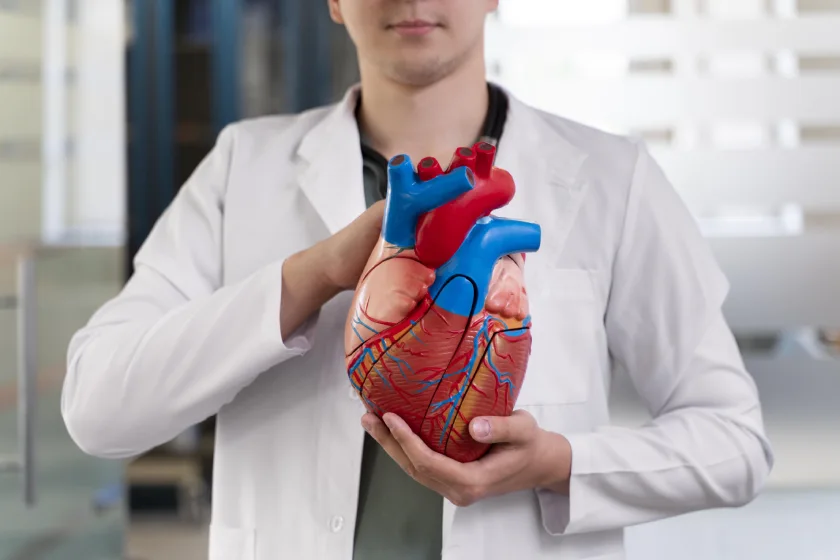
Ischemic heart disease is one of the leading causes of heart-related complications worldwide. With modern lifestyles contributing to increased risk factors, understanding this condition is crucial. This article explores ischemic heart disease meaning, its symptoms, causes, types, prevention strategies, and management options to help you maintain a healthier heart.
1. Ischemic Heart Disease Meaning
Ischemic heart disease, also known as coronary artery disease, occurs when the heart muscle receives insufficient oxygen-rich blood due to narrowed or blocked arteries. This reduced blood supply can cause chest pain (angina), shortness of breath, and even lead to severe complications such as heart attacks.
If you’re wondering, what is ischemia? Ischemia refers to a restriction in blood supply to tissues, causing a shortage of oxygen necessary for the heart’s proper functioning. When it affects the heart, it results in ischemic heart disease.
2. Causes of Ischemic Heart Disease
Several factors contribute to the development of ischemic heart disease. These include:
- Atherosclerosis: The buildup of fatty deposits (plaque) in the arteries, restricting blood flow.
- High blood pressure (hypertension): Forces the heart to work harder, increasing the risk of artery damage.
- High cholesterol levels: Leads to plaque formation in the coronary arteries.
- Diabetes: Increases the likelihood of arterial damage and heart-related complications.
- Smoking: Narrows blood vessels and accelerates plaque buildup.
- Obesity and a sedentary lifestyle: Contribute to high cholesterol, diabetes, and hypertension, increasing the risk.
- Genetics: A family history of heart disease can make one more susceptible.
3. Ischemic Heart Disease Symptoms You Shouldn’t Ignore
Recognising ischemic heart disease symptoms early is essential for timely intervention. The most common signs include:
- Chest pain or angina: A squeezing, burning, or heavy feeling in the chest, especially after exertion.
- Shortness of breath: Difficulty breathing even with mild physical activity.
- Fatigue: Persistent tiredness due to inadequate blood circulation.
- Palpitations: Irregular heartbeats or a feeling of the heart racing.
- Dizziness or fainting: Due to reduced oxygen supply to the brain.
- Pain in the arms, shoulders, neck, jaw, or back: Often mistaken for other conditions, this radiating pain is a critical warning sign.
4. Types of Ischemic Heart Disease
There are different types of ischemic heart disease, each affecting heart function in distinct ways:
- Stable Ischemic Heart Disease: Symptoms occur during exertion or stress and subside with rest.
- Unstable Ischemic Heart Disease: Symptoms occur even at rest, indicating a higher risk of heart attack.
- Silent Ischemia: No noticeable symptoms, but damage is still occurring.
- Microvascular Ischemic Disease: Affects the small coronary arteries rather than the larger ones.
5. How to Manage Ischemic Heart Disease
Managing ischemic heart disease involves lifestyle modifications, medication, and, in severe cases, medical procedures. Here’s how you can take control of your heart health:
Lifestyle Modifications
- Adopt a heart-healthy diet: Include fresh fruits, vegetables, whole grains, lean proteins, and healthy fats.
- Exercise regularly: Engage in moderate-intensity activities like walking, swimming, or cycling.
- Maintain a healthy weight: Reduces strain on the heart and improves overall cardiovascular health.
- Quit smoking and limit alcohol intake: Improves oxygen circulation and lowers blood pressure.
- Manage stress effectively: Practice yoga, meditation, or deep-breathing exercises.
Medications
- Antiplatelet drugs: Prevent blood clot formation.
- Cholesterol-lowering medications: Reduce plaque buildup.
- Beta-blockers and calcium channel blockers: Help control blood pressure and heart rate.
- Nitrates: Relieve chest pain by dilating blood vessels.
Medical Procedures
In advanced cases, medical intervention may be necessary:
- Angioplasty and stenting: Opens up blocked arteries using a small balloon and places a stent to keep the artery open.
- Coronary artery bypass grafting (CABG): Redirects blood flow around blocked arteries.
- Cardiac rehabilitation: A structured program that helps patients recover and strengthen heart health.
6. Ischemic Heart Disease Prevention: Protect Your Heart Early
Taking preventive measures is the best approach to reducing the risk of ischemic heart disease. Some key steps include:
- Regular health check-ups: Early detection of risk factors can prevent complications.
- Monitoring blood pressure, cholesterol, and blood sugar levels: Keeps heart health in check.
- Healthy eating habits: Reducing trans fats, processed foods, and excessive salt intake.
- Engaging in regular physical activity: At least 30 minutes of exercise five times a week.
- Avoiding stress triggers: Mental well-being plays a crucial role in heart health.
7. Why Choose Aadicura Hospital for Heart Care?
If you’re looking for expert care, Aadicura Hospital is a trusted name in Vadodara. As a superspeciality hospital, it offers state-of-the-art infrastructure, cutting-edge technology, and skilled cardiologists to provide comprehensive heart care. From advanced diagnostics to personalized treatment plans, Aadicura Hospital ensures that patients receive world-class healthcare services under one roof.
Conclusion: Get Expert Care for Ischemic Heart Disease
Understanding ischemic heart disease meaning, its symptoms, and prevention strategies can help you take proactive steps towards better heart health. If you or your loved ones are experiencing ischemic heart disease symptoms, seek timely medical advice from experienced cardiologists.
For expert consultation and advanced heart care, visit Aadicura Hospital. Call us at +91 89805 58811 to book an appointment today.



Ischemic heart disease leads to disease such as stable angina, unstable angina, myocardial infarction, and sudden cardiac death.
According to the report published by the Centers for Disease Control and Prevention (CDC), in 2016, ischemic heart disease is the one of the top ten leading causes of death in Saudi Arabia regions and account almost 6% death every year.
Request Sample Copy:https://www.marketresearchfuture.com/sample_request/2585 The Middle East and Africa Ischemic heart disease Market – OverviewThe Middle East and Africa Ischemic heart disease market are showing the steady growth; mainly owing to increase in consumption of smoking, diabetes mellitus and cholesterol levels.
Also, according to the Centers for Disease Control and Prevention (CDC), around 17.7 million people died with CVD, which hold 31% of all global deaths.
In this regards, Hamad Medical Corporation, in September 2016, launched heart health campaign, with the aim to educate the public on how to recognize the signs and symptoms of a heart attack and advice on what to do if a heart attack is suspected.
These activities help them to keep ahead with their competitor.